





The Unicorn's Fitting Problem
Every year, the NBA Draft green room is a parade of ambitious tailoring. Prospects don flashy linings, sentimental chains, and bold colors to stand out on the biggest night of their young lives. But for Victor Wembanyama, the challenge wasn’t about standing
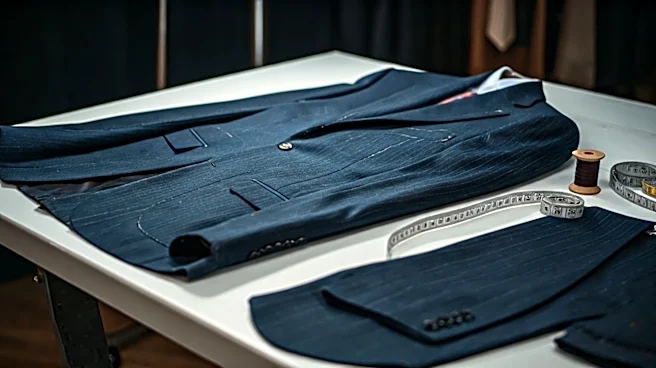
out—his 7-foot-4 frame and 8-foot wingspan already guaranteed that. The challenge was simply finding something that fit. This isn’t your standard “big and tall” problem. Wembanyama represents a new dimension of athlete physicality. He isn’t just tall; he’s proportionally unique. The word “unicorn” has been used to describe his on-court skills—a player with the size of a center and the agility of a guard—but it applies just as well to his sartorial needs. Standard patterns don't work. Simply scaling up a design would result in a comical, ill-fitting garment. Every inch, from the sleeve length to the shoulder width to the break of the pants, had to be considered from scratch. He broke the blueprint before he even stepped on an NBA court.
A Statement from Louis Vuitton
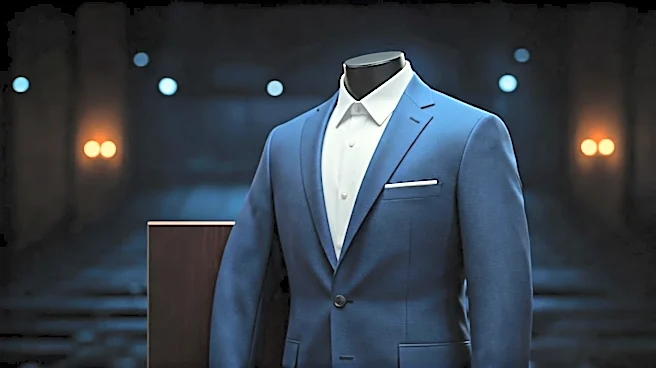
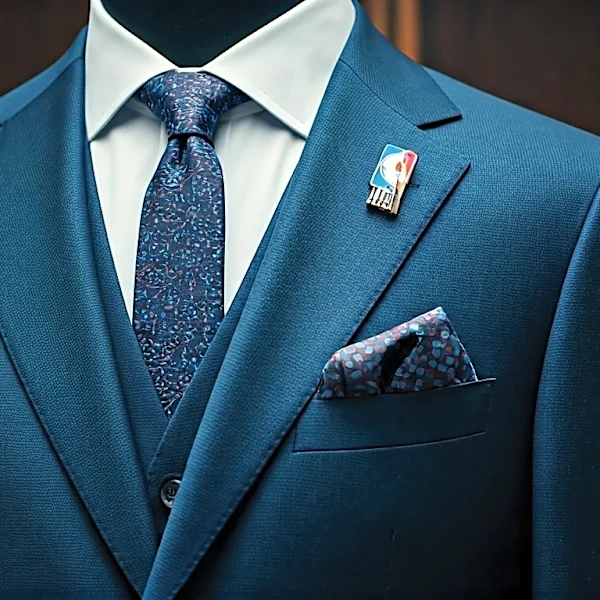
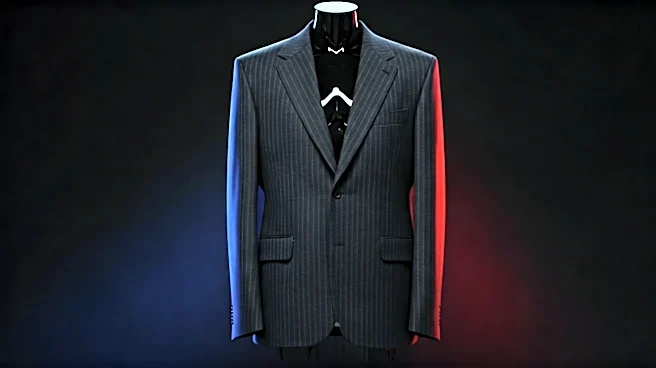
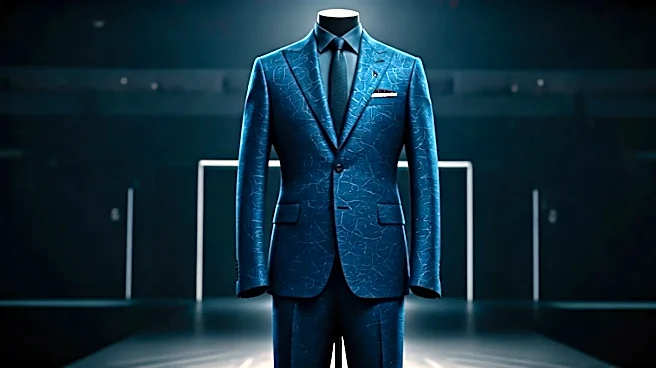
Instead of turning to a local custom tailor, Wembanyama’s team made a move that was as strategic as a first-round pick: they collaborated with Louis Vuitton. This wasn't just about getting a suit made; it was a declaration of intent. By partnering with one of the world's most prestigious luxury houses, Wembanyama was signaling his status as a global brand from day one. It was a power play that aligned his unprecedented physical gifts with the pinnacle of high fashion. The choice of a deep, forest green, double-breasted suit was also telling. Overseen by Pharrell Williams, the newly appointed men’s creative director at LV, the look was sophisticated and understated, not flashy. It subverted the expectation of a rookie trying too hard. The suit whispered elegance rather than shouting for attention, projecting a maturity and self-awareness that defied Wembanyama’s age. It was a look that said, “I belong here,” not just in the NBA, but on a global stage.
From 'Big' to 'Bespoke'
For decades, the conversation around dressing tall athletes was primarily functional. It was about finding enough fabric and a tailor who could handle the job. Wembanyama’s draft night changed the nature of that conversation. It shifted the focus from the practical challenge of size to the artistic opportunity of true bespoke design. His suit wasn’t just an accommodation for his height; it was a celebration of his unique form. The perfect drape of the jacket and the clean lines of the trousers showed that with enough resources and vision, an outlier’s body doesn’t have to be a problem to be solved, but a canvas to be utilized. This sent a message to the entire ecosystem of athlete styling. It demonstrated that for the new generation of uniquely built superstars, off-the-rack is irrelevant and even standard custom-made might not be enough. The future is truly bespoke, where the garment is born from the individual's measurements, not adapted from a pre-existing template.
The New Blueprint for Athlete Branding
Ultimately, the Wembanyama draft-night suit became a masterclass in modern athlete branding. In an era where a player’s identity is built as much on social media and fashion as it is on their box score, he established his personal brand before the ink was dry on his contract. The choice was deliberate, sophisticated, and forward-thinking. It showed future prospects that draft night is more than just a walk across a stage; it’s the first chapter of their professional story. The right outfit can communicate ambition, personality, and marketability in an instant. By turning a logistical nightmare—how to dress a 7-foot-4 teenager—into a high-fashion triumph, Wembanyama didn't just get a great suit. He created a new playbook for how to manage a physical scale that defies all norms, transforming a potential awkwardness into an undeniable source of power and style.