

The Setting is the Headliner
Forget cavernous arenas or muddy fields. Newport unfolds at Fort Adams State Park, a historic 19th-century fortress overlooking the Newport Harbor. Instead of concrete and steel, the backdrop is sailboats, ocean breezes, and stone ramparts. This creates
an atmosphere that’s less about containment and more about community. Attendees spread out on blankets, and while there are specific rules about chair heights to ensure everyone can see, the vibe is relaxed. People even paddle up in boats to listen from the water. This unique, picturesque setting isn't just a venue; it’s an active participant in the experience, fostering a sense of shared space and tranquility that a typical concert venue can't replicate.
Surprise is the Only Certainty
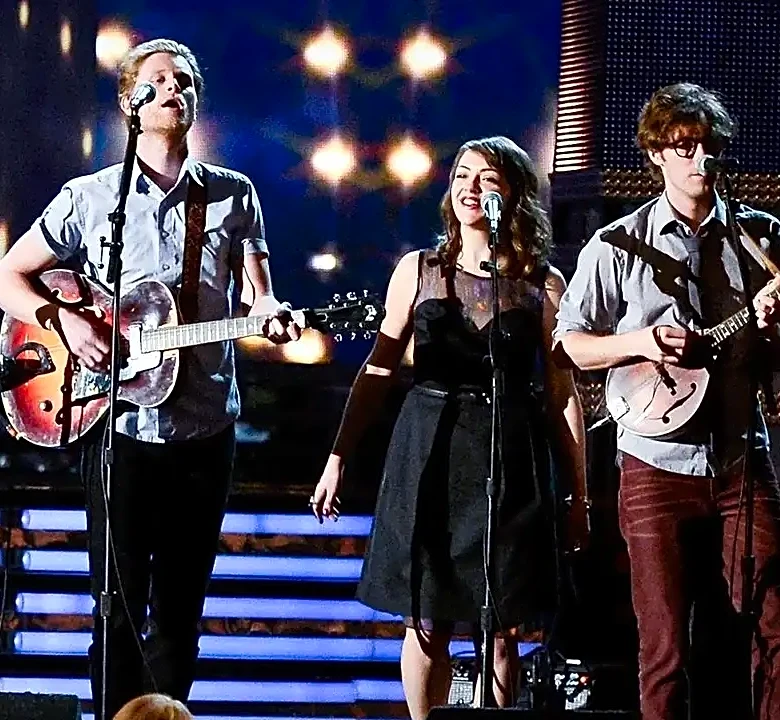
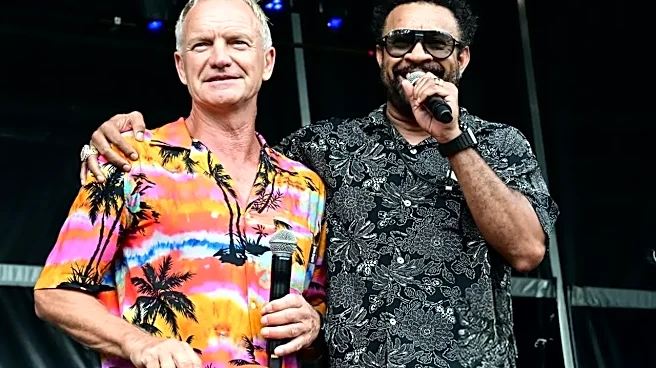
At a regular concert, the biggest surprise might be an unreleased song. At Newport, the biggest surprise might be an unannounced, once-in-a-lifetime performance from a music legend. The festival is famous for its collaborations and unbilled guests. In recent years, icons like Joni Mitchell and Dolly Parton have made shocking, unadvertised appearances, creating moments that have become instant music history. The 2026 festival continued this tradition, with Nathaniel Rateliff’s closing set featuring a parade of guests including Dave Matthews, Joan Baez, and Brandi Carlile. This culture of spontaneity means tickets sell out months before a single artist is announced, because fans aren't just buying a ticket to see a lineup; they're buying a ticket for the possibility of magic.
An Audience That Actually Listens
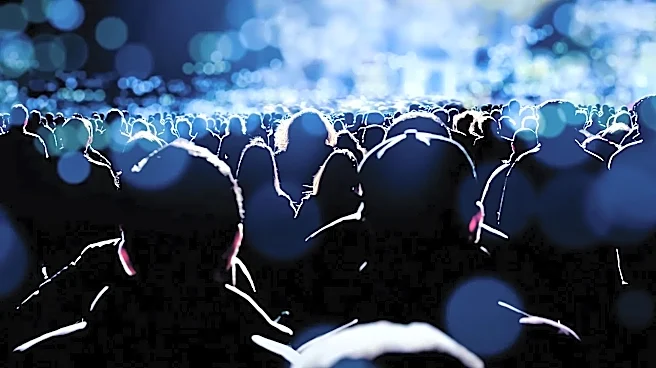
The Newport audience is different. It’s a crowd built on a shared love of music, not just a shared love of a single headliner. You’re less likely to find the rowdiness or seas of phone screens that define many large-scale concerts. The audience is known for being respectful and attentive, creating a quiet reverence for performers that allows for moments of incredible intimacy. When Gillian Welch and David Rawlings began an unhurried set as the sun went down, the river of people leaving the festival slowed to a halt, captivated. This listening culture is intentional; drinking is confined to specific zones away from the stages, and the focus remains squarely on the artists. It fosters an environment where an acoustic ballad can feel as powerful as a rock anthem.
Rooted in History and Purpose
Since its founding in 1959, Newport has been a stage for pivotal moments in American music. It’s where Bob Dylan famously went electric in 1965, forever changing folk and rock music. It’s been a platform for the Civil Rights Movement and countless protest songs. That history permeates the grounds, lending a weight and significance to every performance. Adding to this is the festival's non-profit structure. Since 2011, it has been run by the Newport Festivals Foundation, a 501(c)(3) organization. This means proceeds go toward funding music education programs nationwide, providing grants, and offering emergency relief to musicians. This mission-driven approach strips away much of the overt commercialism of other major festivals, creating an event that feels like it’s for the community, by the community.