







2010: Melissa Leo, The Fighter
Melissa Leo, a respected character actor, was a front-runner but took matters into her own hands with a self-funded campaign. She placed glamorous “For Your Consideration” ads in trade magazines, a move seen as unseemly and aggressive by some industry
insiders. The gambit was risky; similar personal campaigns had backfired in the past. Yet, it paid off. Her powerful performance as a domineering mother, combined with the narrative of a veteran fighting for recognition, proved irresistible. Her win was a testament to both her undeniable talent and a controversial, but ultimately successful, political maneuver.
2011: Octavia Spencer, The Help
Octavia Spencer's win felt like a coronation for the heart and soul of a cultural phenomenon. The Help was a box-office smash, and Spencer’s portrayal of the fiery maid Minny Jackson was a fan favorite. The author of the book, Kathryn Stockett, had even based the character on Spencer herself. In a race against her co-star Jessica Chastain, Spencer had the momentum of a beloved performance in a blockbuster hit. Her win was a classic case of the Academy rewarding the most memorable player in one of the year’s most-talked-about films.
2012: Anne Hathaway, Les Misérables
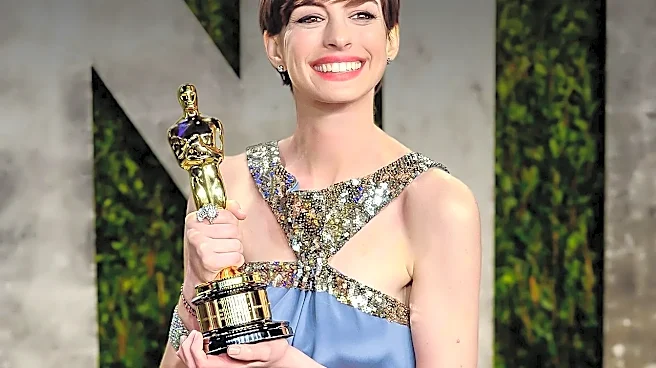
This was a textbook Oscar inevitability. From the moment the film was announced, Anne Hathaway was the presumed winner. Her raw, 15-minute performance, highlighted by a gut-wrenching, single-take rendition of "I Dreamed a Dream," was the definition of Oscar bait. Hathaway swept the entire awards season, collecting every major precursor award. The narrative was unstoppable: a popular movie star showcasing extreme physical transformation and vocal prowess in a famous, tragic role. It was less a competition and more a procession.
2013: Lupita Nyong'o, 12 Years a Slave
In the decade's tightest race, newcomer Lupita Nyong'o faced off against “America’s Sweetheart” Jennifer Lawrence, who was fresh off a Best Actress win the year prior. Lawrence won the Golden Globe and BAFTA, but Nyong'o’s devastating performance as Patsey was impossible to ignore. Nyong'o’s victory at the Screen Actors Guild Awards shifted the momentum. Her win became a triumph of a powerful, emotionally shattering debut performance in a Best Picture winner over a comedic turn from an already-crowned star. It proved that sometimes, the sheer force of a performance can overcome even the most powerful industry momentum.
2014: Patricia Arquette, Boyhood
Patricia Arquette’s win was a celebration of commitment as much as performance. She had filmed her role as the mother in Richard Linklater’s Boyhood over 12 years, a monumental and unprecedented undertaking. This narrative dominated the season. Her performance, which beautifully captured the quiet struggles and resilience of motherhood over time, culminated in a powerful final scene that resonated with many voters. The win felt like an award for the entire groundbreaking project, embodied by her transformative performance. Her impassioned acceptance speech about wage equality further cemented her victory as a major Oscar moment.
2015: Alicia Vikander, The Danish Girl
This win was marked by the controversial issue of “category fraud.” Many believed Alicia Vikander’s role in The Danish Girl was a co-lead performance, on screen just as much as her Best Actor-nominated co-star, Eddie Redmayne. Strategically campaigning in the supporting category, where the competition was perceived as less fierce, is a classic Oscar play. The move paid off, securing a win for the rising star. While her performance was praised, the victory remains a prime example of how strategic categorization can pave a clearer path to the podium.
2016: Viola Davis, Fences
Like Vikander the year before, Viola Davis’s win sparked intense debate about category placement. Having won the Tony Award for Best Lead Actress for the same role on Broadway, her campaign in the supporting film category was seen by many as a strategic move to ensure a win. The performance itself was a titanic, show-stopping turn that many argued carried the film's emotional weight. By competing in supporting, she avoided a tough Best Actress race and became an absolute lock to win. It was a political masterstroke that secured a long-overdue Oscar for one of the greatest actors of her generation.
2017: Allison Janney, I, Tonya
This was the “career coronation” win. Allison Janney, a beloved and versatile veteran of TV and film, was long seen as one of Hollywood's most deserving, never-nominated actors. Her turn as Tonya Harding’s abusive, chain-smoking mother LaVona Golden was a scenery-chewing, darkly comedic masterclass. Complete with a foul-mouthed pet bird on her shoulder, the role was flashy, memorable, and undeniable. Janney swept the entire awards circuit, and her win was celebrated as a popular and richly deserved honor for a consummate professional finally getting her moment in the spotlight.
2018: Regina King, If Beale Street Could Talk
Regina King was another universally respected veteran who had yet to receive her Oscar due. Though she was considered a strong contender for her powerful role as a determined mother, her win wasn't a sure thing; she had surprisingly missed a Screen Actors Guild nomination, a key precursor. However, her Golden Globe victory and the immense industry respect she commands helped carry her through. The win for Barry Jenkins' critically acclaimed film was a triumph for a consistently excellent actress and a victory for a more subtle, art-house performance over flashier competitors.
2019: Laura Dern, Marriage Story
Laura Dern’s win was the culmination of a perfect narrative. As Hollywood royalty and a beloved actress with a long, varied career, she entered the race as the sentimental favorite. Her role as a sharp-tongued divorce lawyer in Marriage Story gave her an instantly iconic monologue about the double standards placed on mothers. This speech became the centerpiece of her campaign. Dern swept all the major precursor awards, making her victory feel both inevitable and deeply satisfying for an industry that had watched her grow up on screen. It was Netflix's first acting Oscar win, marking a political shift in the industry itself.