





The Ghost of Obsolescence
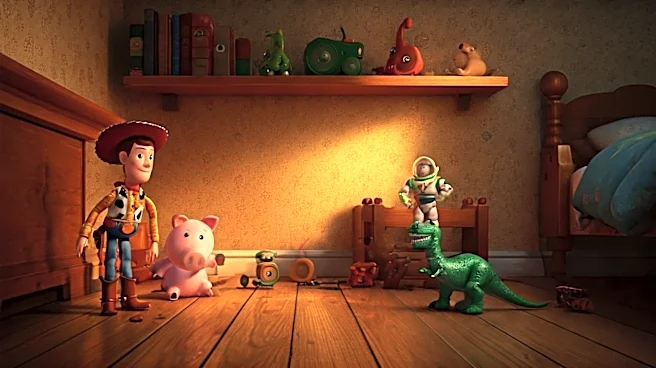
From its first moments in 1995, the Toy Story saga has been driven by a single, existential terror: being replaced. It’s the invisible antagonist in every film. In the original, Woody’s fear isn’t just of Buzz Lightyear, but of the disposability Buzz represents.
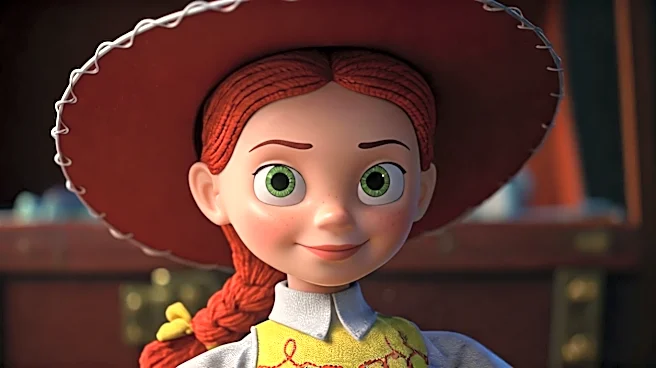
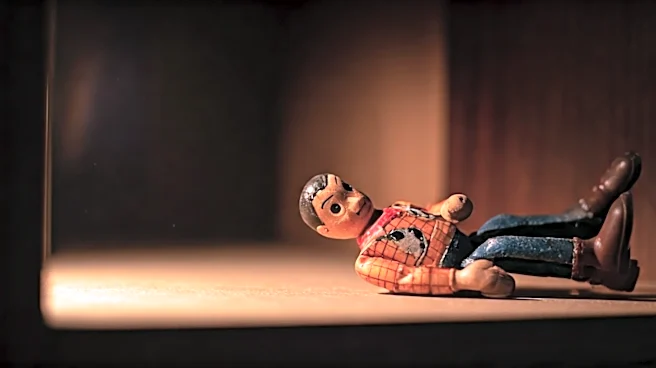
In *Toy Story 2*, Jessie’s trauma stems from being abandoned when her owner grew up, a fate the gang narrowly avoids. *Toy Story 3* elevates this to a grand, operatic finale, confronting the moment every toy dreads—the end of playtime. And in *Toy Story 4*, Woody grapples with a new kind of obsolescence: being loved but not *needed*, leading him to become a “lost toy.” Each film has raised the stakes, but the threat has always been personal and analog. It was a shinier new toy, a move to college, or a different kid. The core conflict has remained within the physical world of playthings. To justify a fifth installment, the threat must evolve beyond the toy box. It can no longer be about one toy being replaced by another; it has to be about the very concept of toys being replaced by something else entirely.
The Ultimate, Faceless Villain: The iPad
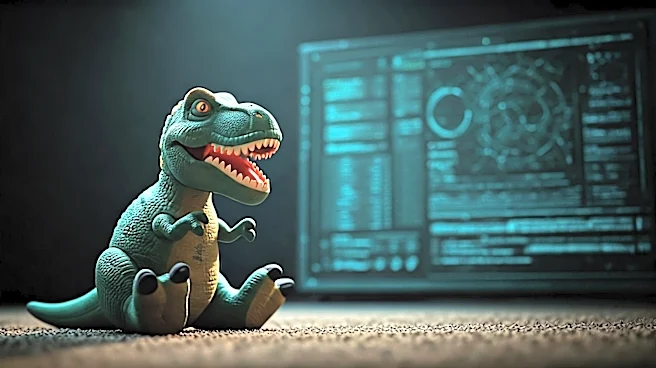
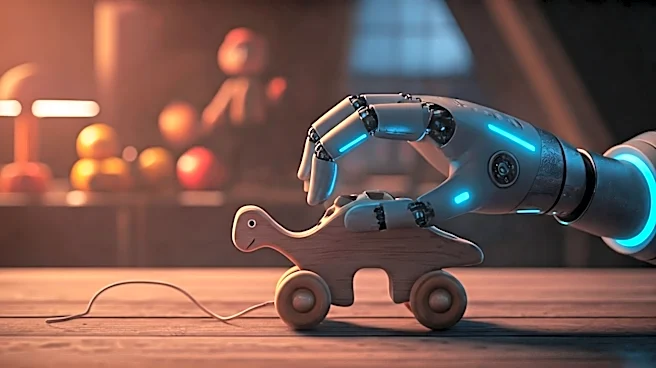
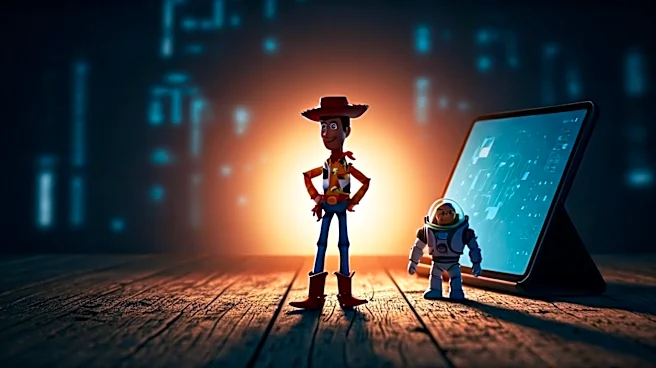
Imagine a child’s room today. The primary threat to a Sheriff Woody or a Buzz Lightyear isn't a Forky or a Gabby Gabby. It's a glowing screen. It's an iPad, a Nintendo Switch, or a parent’s smartphone. This isn’t a rival; it’s an extinction-level event. Digital entertainment doesn't compete for a child's affection in the same way. It offers a bottomless, frictionless, and often isolating form of play that physical toys can’t replicate. This is the perfect antagonist for *Toy Story 5*. A tech-based threat is amorphous, omnipresent, and profoundly more terrifying than Sid’s firecrackers or Lotso’s dictatorial reign. How does a pull-string doll compete with an algorithm designed for maximum engagement? How does an action figure with a laser light foster imagination against an interactive game with infinite possibilities? This conflict moves the franchise’s central anxiety from “Will my kid still love me?” to “Will any kid still need a toy at all?” It reframes the battle from a personal struggle for relevance into a universal fight for survival, making the stakes higher than they’ve ever been.
A Reason to Reunite Woody and Buzz
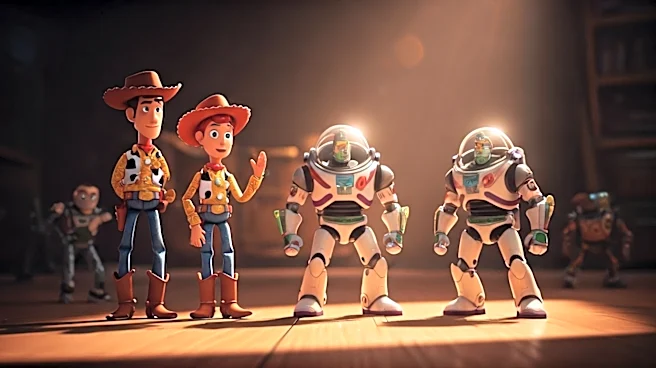
The divisive ending of *Toy Story 4* left our heroes on separate paths. Woody embraced a new purpose helping lost toys find kids, while Buzz remained with Bonnie and the gang. Bringing them back together for nostalgia’s sake would feel cheap and undermine the emotional weight of their goodbye. But a threat of this magnitude provides the perfect, character-driven reason for a reunion. Woody, now an expert in the forgotten and discarded, would be the first to see the existential danger. He lives on the front lines of toy obsolescence. Buzz, ever loyal to his kid, would witness the change from the inside, watching Bonnie’s attention drift from her physical toys to a digital screen. Their reunion wouldn’t be a simple “getting the band back together” plot. It would be a collision of two worldviews: Woody, the free-ranging idealist, and Buzz, the devoted loyalist, forced to combine their philosophies to solve a problem neither can face alone. This new world order demands both their skill sets, giving their legendary friendship one last, truly essential mission.
Fulfilling the Franchise's Final Thesis
A tech-versus-toys premise allows *Toy Story 5* to finally answer the question the series has been asking for nearly 30 years: What is the purpose of a toy? Is it to be a physical object? Is it to be a vessel for a child’s imagination? Is it about the shared experience and the love that flows through it? A digital game offers engagement, but it doesn't offer a hand to hold during a scary movie or a silent companion on a long car ride. It doesn’t get scuffed and worn with the marks of shared adventures. By pitting the toys against their digital successors, Pixar can create its sharpest thesis yet: that the value of a toy isn’t in its novelty or its features, but in its tangible presence and its unique ability to be a partner in the messy, imperfect, and beautiful act of imaginative play. It’s a battle not for screen time, but for the soul of playtime itself. Proving that in a world of endless digital distraction, there's still no substitute for a friend you can hold.