
It All Begins with Prep Work
A beginner often applies gloss directly onto their lips, whatever state they are in. The professional knows a flawless finish starts with a smooth canvas. Makeup artists always begin by exfoliating the lips to remove any dry, flaky skin that could cause
a patchy application. You can use a gentle lip scrub or even a damp washcloth in circular motions. Following exfoliation, pros apply a hydrating lip balm to moisturize and plump the lips. The key is to let the balm absorb for a few minutes and blot any excess before moving on; otherwise, the gloss will slide right off. Some pros even use a dedicated lip primer to give the gloss more staying power.
The Strategic Use of Lip Liner
For many beginners, lip liner is an afterthought or skipped entirely. If it is used, it’s often just to outline the lips. A professional sees liner as a crucial structural tool. They use it not just to define the lip shape but also as a base for the gloss to adhere to. By filling in the entire lip with a liner that matches the natural lip color or the gloss itself, it creates a pigmented, tactile surface that prevents the gloss from bleeding and makes the color last much longer. This technique is a makeup artist's secret for keeping gloss from feathering outside the lip line. For an even crisper edge, some artists will trace the outside of the lined lips with a touch of concealer.
Application Is About Placement, Not Volume
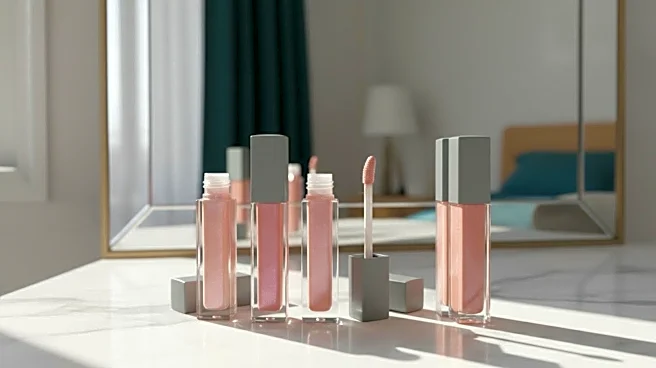
The beginner's instinct is often to swipe a thick layer of gloss all over the lips, from corner to corner. This leads to that sticky, goopy feeling and increases the chances of it smearing or getting on your teeth. A pro uses a less-is-more approach with precise placement. The expert trick is to apply a small amount of gloss primarily to the center of the bottom lip. Then, simply press your lips together to distribute the product naturally. This technique concentrates the shine in the middle of your pout, which creates the illusion of fuller, plumper lips without overloading the edges where gloss tends to gather and smudge. For extra dimension, a touch of gloss can be added to the center of the upper lip as well, specifically on the Cupid's bow.
Choosing the Right Formula
A beginner might grab any gloss that looks pretty in the tube. A professional understands that the formula itself is a key part of the final look and its longevity. There's a wide world of glosses, from sheer, shiny topcoats to heavily pigmented formulas, plumping glosses with active ingredients, and nourishing lip oils that offer shine with hydration benefits. Professionals select a formula based on the desired effect. For a long-lasting look, they might layer a clear, non-sticky gloss over a matte lipstick or lip stain. This ensures that even when the top shine wears off, there's still a layer of color underneath. They also tend to favor non-sticky formulas that are comfortable to wear and less likely to feel heavy or messy.