








The Viral Springboard
Gone are the days when a big record label budget and a long album rollout were the only paths to stardom. Today, the road to a BET Award nomination often starts with a 15-second clip. The 2026 nomination list is packed with artists who first gained traction
not on the radio, but on social media. [7] Look at the success of artists like Olivia Dean, who secured an impressive four nominations this year. [6] Her rise is a testament to the power of building an audience directly through platforms that favor short-form, shareable content. [6, 7] Songs are now frequently structured with a pre-packaged viral moment in mind—a catchy hook, a danceable beat, or an instantly memorable line designed to be looped and remixed by millions of users. [9, 14] This isn't a happy accident; it's a calculated economic strategy. Visibility is currency, and a viral hit generates more of it, faster, than almost any other marketing tool. [13]
The Decline of the Album Cycle
The traditional album, once the cornerstone of an artist's career, now feels more like an optional accessory for many in the R&B space. The 2026 nominations heavily favor artists who dominated with massive singles rather than cohesive, grand-statement albums. While Mariah the Scientist and Cardi B landed Album of the Year nods, the broader field of nominees is filled with artists recognized for single tracks. [11] Kehlani’s Viewers' Choice nomination for "Folded" and Mariah the Scientist’s for "Burning Blue" highlight this trend perfectly. [2, 6] This shift makes perfect economic sense in a streaming world that rewards individual track performance. Why spend a year and a fortune on a 12-song album when one or two strategically released singles can achieve greater visibility and award-season recognition? Artists and labels are adapting to an ecosystem where a steady stream of content keeps an artist relevant and algorithmically favored. [15]
Indie Hustle Meets Major Muscle
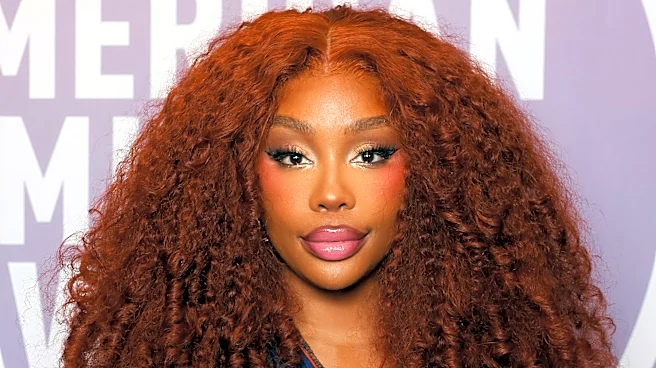
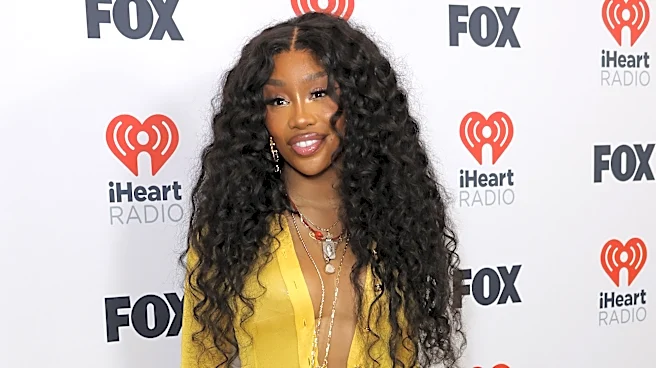
This year’s field shows that the new economics can be both a democratizing force and a new battleground. Independent artists, who once struggled for a foothold, are now competing at the highest levels. They can now build a fanbase, distribute music globally, and earn major award nominations without the backing of a traditional record label. [17] The presence of newer, independent-minded artists in the nominee lists proves that this pathway is more viable than ever. [4] At the same time, major labels aren't standing still. They are now masters of engineering virality, signing artists who have already proven their digital appeal or using their immense resources to manufacture trends. [13] The result is a fascinating mix in the nominations: established superstars like Chris Brown and SZA alongside fresher faces who broke through on their own terms. [4, 10] It underscores that access has increased, but the competition for attention is more intense than ever.
The New 'Pulse' of the Industry
Perhaps nothing signifies this economic shift more than one of the BET Awards' new categories: the Pulse Award. [1, 11] Designed to recognize creators and media platforms shaping online conversation, its nominees include podcasts like "R&B Money Podcast" and internet personalities. [1, 4] The creation of this category is a formal acknowledgment by the industry that the power to anoint stars and drive culture no longer resides solely with record labels and radio programmers. It's now in the hands of podcasters, influencers, and the algorithms that power their platforms. This is the new infrastructure of R&B visibility, an interconnected economy where a mention on a popular podcast can be just as impactful as a radio spin, and the artists who understand how to navigate this entire ecosystem are the ones who ultimately end up on the nominations list.