



The Headliner Conundrum
The first and most visible challenge is booking the top line of the poster. A generation ago, a handful of rock and pop monoliths could reliably sell out a 700-acre field. Think Paul McCartney, U2, or a reunited Led Zeppelin. Today, the music landscape
is hyper-fragmented. There are fewer universally beloved, ticket-moving titans who appeal to the broad coalition—Gen Z TikTok fans, millennial indie nostalgists, and Gen X classic rock dads—that a multi-genre festival needs to attract. Festivals like Bonnaroo now face a dilemma. Do they pay astronomical fees for one of the few remaining stadium-level acts, hoping they have cross-generational appeal? Do they gamble on a modern pop superstar who might alienate the festival’s traditional base? Or do they pivot to a slate of co-headliners, a strategy that can feel impressive in number but lack the singular, unifying force that historically defined these events? This fragmentation of fame means the top of the bill, once the festival’s main engine, is now its biggest puzzle.
The '$1,000 Weekend' Problem
Let’s be blunt: attending a major festival has become prohibitively expensive for a huge swath of its target audience. When you factor in the price of a four-day pass (often north of $400), camping fees, travel, gas, and the notoriously high cost of food and drinks on-site, the 'Bonnaroo budget' can easily eclipse $1,000 per person. While die-hards may see this as a worthy pilgrimage, it prices out casual fans and younger attendees. This economic squeeze works both ways. Promoters are facing their own spiraling costs. Artist fees have skyrocketed, insurance premiums are at an all-time high, and the logistics of providing security, medical services, and basic infrastructure for 80,000 people are staggering. To stay profitable, festivals must either raise ticket prices, which shrinks their audience, or cut corners on the experience, which damages their brand. It's a classic catch-22, and it’s putting immense strain on the entire model.
When 'Everything' Feels Like 'Nothing'
The original promise of the multi-genre festival was 'something for everyone.' You could see a legendary jam band, a buzzing indie act, a world-class DJ, and a stand-up comedian, all in one weekend. For years, this was a massive strength. But in today's cultural climate, it's becoming a liability. The 'something for everyone' approach can inadvertently create a 'nothing for me' feeling. If you’re a dedicated electronic music fan, why spend $500 to see a few great DJs amidst a sea of rock and pop acts you don't care about, when a specialized EDM festival offers a fully curated experience? The rise of niche, genre-specific festivals—from bluegrass gatherings to heavy metal weekends—is siphoning off the most dedicated fans from each demographic. These smaller events offer a stronger sense of community and a more focused lineup, often at a lower price point. For Bonnaroo and its peers, this presents an identity crisis: are they a jack of all trades, but a master of none?
The Experience Arms Race
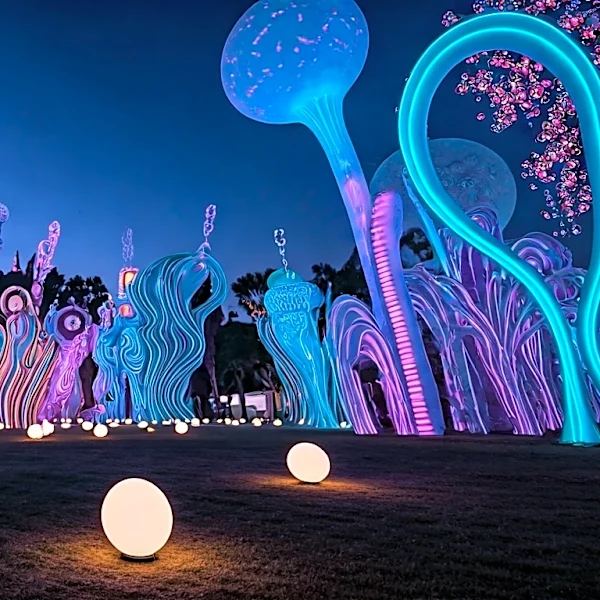
In response to these pressures, major festivals have leaned heavily into 'the experience.' It’s no longer just about the music. It’s about the massive, interactive art installations, the gourmet food villages, the sponsored wellness tents, and the endless 'Instagrammable moments.' While these additions can be genuinely fun, they are part of a frantic arms race to justify the high ticket price. This shift has profound consequences. It further inflates the cost and logistical complexity of an already massive undertaking. It also risks turning the festival from a music-centric event into a generic 'content creation' backdrop. When the focus shifts from the stage to the photo op, some of the original, scrappy, music-first soul that defined Bonnaroo gets lost. The stress test, then, is whether these festivals can enhance the experience without losing the core musical identity that made them special in the first place.