




The Stitching Tells a Story
The first and most objective clue is the stitching. Grab a seam and look closely. Quality garments feature a high number of stitches per inch (SPI). For a durable jacket, you want to see at least 12 to 16 SPI, which creates a tight, strong seam less likely
to pucker or fail. High-end dress shirts might even boast 18 to 22 SPI. In contrast, cheaply made items often have a low SPI (around 6-8), which saves the manufacturer time and thread but results in weaker seams that won't stand up to stress. Also, check for consistency; the stitches should be even, straight, and clean, with no loose threads or skipped stitches, especially at stress points like the shoulders and pockets.
Uncover the Jacket's Skeleton
The inner construction of a blazer or suit jacket, known as the canvas, is a huge quality indicator. This internal layer, traditionally made of materials like horsehair, sits between the outer fabric and the lining, giving the jacket its shape and structure. The best construction is a "full canvas," where the layer runs through the entire front of the jacket. This allows the garment to mold to your body over time, offering superior drape and longevity. A good compromise is a "half-canvas" jacket, where the canvas covers the chest and lapels—the most critical areas for structure. The most common and cheapest method is a "fused" jacket, where the interlining is glued to the fabric. Fused jackets can look stiff, lack breathability, and are prone to bubbling over time as the glue degrades.
Examine the Lining's Logic
The lining is more than just a decorative touch; it affects comfort, breathability, and durability. A quality jacket lining should feel smooth, allowing it to glide effortlessly over your shirt. High-end jackets often use materials like Bemberg (also known as cupro) or silk, which are highly breathable, wick moisture, and feel luxurious against the skin. In contrast, most mass-market jackets use polyester lining because it's cheap and durable. The downside is that polyester is not breathable, which can trap heat and moisture, making you feel clammy. Also, check how the lining is attached. It should be neatly sewn with a little bit of give, not pulling at the seams.
Buttonholes and Buttons Matter
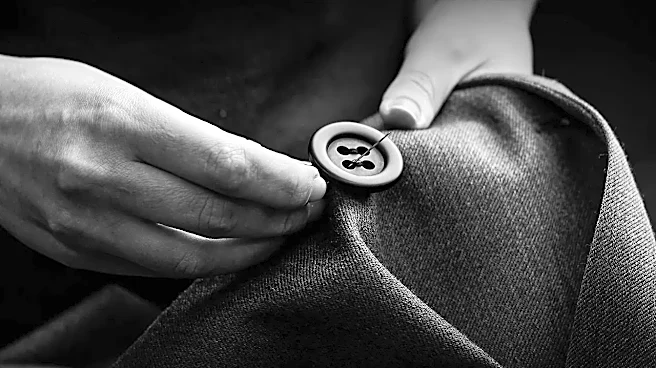
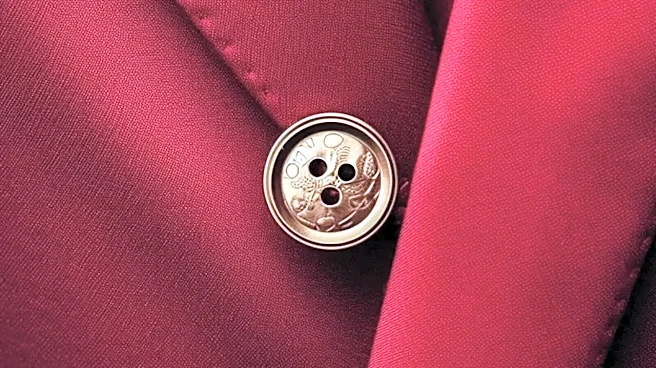
Small details like buttonholes are incredibly revealing. On high-quality jackets, buttonholes are often stitched by hand. You can spot hand-sewn buttonholes by their slight irregularity and the thicker, rolled edge they create, which is more durable than a flat, machine-stitched one. While functioning sleeve buttons, or "surgeon's cuffs," were once a hallmark of bespoke tailoring, they are now sometimes added to off-the-rack garments. A better indicator is the quality of the button itself. Premium jackets will use buttons made from natural materials like horn, corozo, or mother-of-pearl instead of cheap plastic. They should also be attached with a thread shank, which creates a small stem of thread that gives the fabric space to drape properly when buttoned.
The Art of Pattern Matching
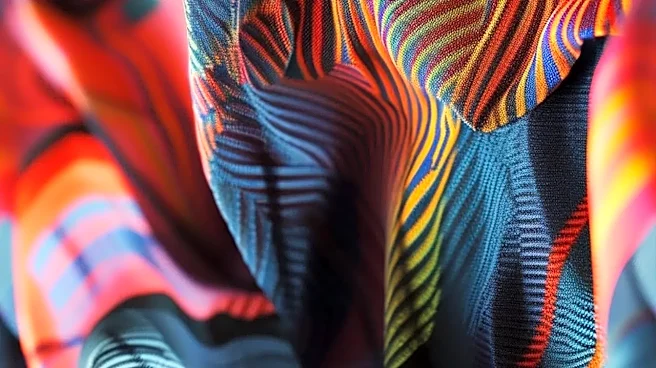
If you're looking at a jacket with a pattern, like plaid, checks, or stripes, check how the lines match up at the seams. On a well-made garment, the manufacturer has taken the time and used extra fabric to ensure the patterns align perfectly across the shoulders, from the body to the sleeves, and across the pockets. This creates an almost uninterrupted visual flow. Achieving this is a difficult and costly process, as it requires precise cutting and more raw material. On cheaper jackets, you'll often see jarring mismatches where patterns are cut without any regard for alignment. It's a clear sign that corners were cut to save money and time, and it's a detail you won't be able to unsee once you know to look for it.