
The Anatomy of a Superfan Archivist
In the vast ecosystem of fandom, there are casual viewers, dedicated followers, and then there are the archivists. These are the fans who don’t just consume stories; they curate them. They maintain mental
(and often, digital) wikis of character biographies, galactic maps, and magical laws. For them, a franchise isn't a series of shows or films, but a single, sprawling, interconnected universe where every detail matters. This level of dedication produces a deep expertise that can sometimes rival that of the writers' rooms themselves. After all, a TV writer might work on a season and move on, but the archivist fan has been tracking the story for decades, cross-referencing comics, novels, and animated spin-offs. They remember the color of a character's first lightsaber or the specific year Bucky Barnes was said to have disappeared in an early film, an error later acknowledged by Marvel itself. This encyclopedic knowledge is the fuel for the moments that make convention Q&As legendary.
A High-Stakes Public Forum
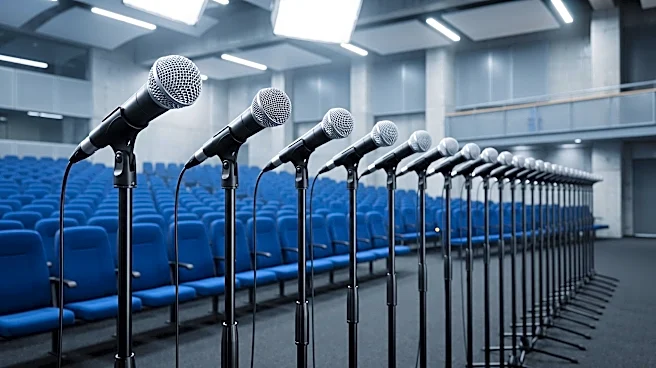
A continuity question posted on Reddit can be debated, ignored, or answered with a well-researched reply days later. A question asked live at New York Comic Con, in front of thousands of peers and with a creator on a hot mic, is an entirely different beast. The panel format is a crucible. There's no time to huddle with a co-writer or consult a story bible. The creator is on the spot, and the audience can feel the sudden shift in the room's energy. It's a moment of performance, where the unwritten contract between storyteller and audience is put to a live, public test. The fan isn't just asking a question; they are, in a sense, performing their fandom, demonstrating their investment in the world the creator built. The creator's response—whether it's a clever deflection, a sheepish admission, or a promise to look into it—becomes part of the franchise's lore itself.
When Lore Becomes Law
These callouts are more than just “gotcha” moments. They can have real consequences for a franchise. When a significant portion of a dedicated fanbase points out that, for instance, a character’s backstory has been contradicted or that a magical artifact shouldn’t work a certain way, it creates a problem for the storytellers. Sometimes, the response is a 'retcon' (retroactive continuity), where a future story is written to explain the discrepancy. Other times, as seen with the passionate fan response to the original design for the 'Sonic the Hedgehog' movie, feedback can lead to direct, tangible changes. In massive universes like 'Star Wars' or the Marvel Cinematic Universe, where dozens of creators contribute across different media, these fan-led audits serve as a form of quality control. They are a reminder that for the most loyal fans, continuity isn't just a detail; it's the foundation of their belief in the story.
A Sign of Passion, Not Pedantry
While it might seem like pedantic nitpicking, the fan callout is ultimately an act of love. You don't spend hundreds of hours cataloging the history of the Tesseract or the lineage of the House of El if you don't care deeply about the world. These moments highlight the evolving relationship between creators and consumers. Fandom is no longer a passive activity; it's a participatory, and sometimes confrontational, dialogue. The fan with the impossibly specific question isn't trying to ruin the show. They're trying to protect the integrity of a world they love, a world they feel a sense of ownership over. They're the most engaged, most invested members of the audience, and their eagle eyes ensure the storytellers stay honest. In an era of sprawling, multi-billion-dollar franchises, they are the volunteer accountants, making sure the narrative books are balanced.