








Frieze Masters: A Dialogue with History
A short walk across the park separates the two events, but the aesthetic distance is vast. Frieze Masters showcases art from ancient times through the late 20th century. Strolling through its aisles feels like a museum tour where everything is for sale.
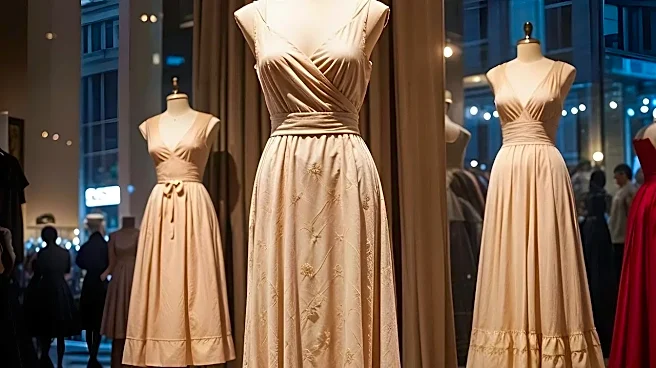
Here, you'll find Old Master paintings, ancient sculptures, and rare artifacts. For the fashion-conscious, it's a direct line to the history of style itself. A Renaissance portrait reveals the intricate lace of a collar; a classical sculpture displays the eternal elegance of draped fabric. This year, a special curatorial thread, 'Queering Modernism', even re-examines 20th-century art through the lens of gender and sexuality, adding another layer to how we read the bodies and attire of the past. The style of attendees here often mirrors the art: quiet luxury, heritage fabrics, and timeless tailoring that speaks to an appreciation for things that endure.
Frieze London: The Contemporary Edge
In the main tent, Frieze London offers a jolt of the new. It's a vibrant, sometimes chaotic, showcase of contemporary work from the world's most influential galleries. The focus is on living artists and practices that push boundaries, from large-scale installations to digital art. This year includes a piece by Theo Triantafyllidis, a climbable spider sculpture that links to a collaborative digital game, co-commissioned with Google Arts & Culture. The fashion in this tent is a different beast entirely. The outfits are often as experimental as the art on the walls. Think architectural silhouettes, bold splashes of color that rival a abstract canvas, and avant-garde layering. This is where you see personal style used as a form of performance, a way to engage with the provocative and forward-thinking spirit of the fair.
The Real Show: Visitor Style
Ultimately, the most interesting 'conversation' happens on the paths connecting the two fairs, embodied by the visitors themselves. More than 60,000 people attend Frieze week, turning Regent's Park into a runway of self-expression. The people-watching is second to none, with outfits that consciously or unconsciously bridge the gap between the historical and the contemporary. You might see a collector pairing a vintage tweed blazer—a nod to the Masters aesthetic—with fluorescent sneakers that feel right at home in the contemporary tent. Or an artist in a deconstructed trench coat that seems to borrow from both historical tailoring and modern art's disregard for convention. It’s here, in these personal sartorial choices, that the dialogue between past and present becomes most vivid.
When Art and Fashion Collide
The link between the two worlds isn't just aesthetic; it's increasingly commercial and collaborative. Luxury brands have become major players during Frieze week. Tiffany & Co. supports the 'Artist-to-Artist' section, where established artists champion emerging talent, while other fashion houses host exclusive dinners and events, knowing the art crowd is their target demographic. This synergy is visible across London, with galleries timing their best shows for the week and a major exhibition at the Tate Britain this year called 'The '90s: Art and Fashion', exploring the fusion of creative forces from that decade. It underscores that art and fashion are not separate pursuits but two facets of the same cultural engine, influencing how we see the world and how we present ourselves within it.