
The Myth: Go Big or Go Home
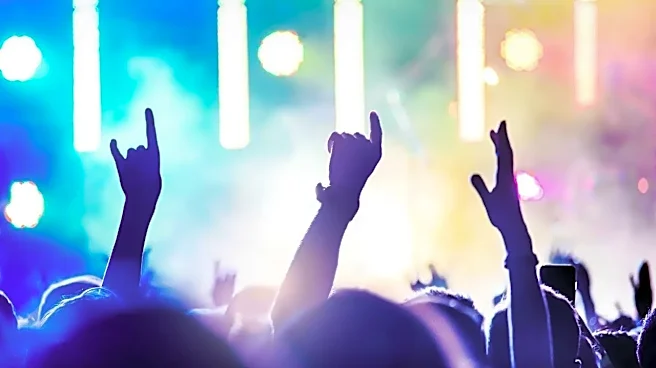
The common wisdom surrounding festival booking is that headliners are a simple economic equation. To sell tens of thousands of tickets, which can cost several hundred dollars each, you need artists who command a massive, multi-quadrant audience. These
are the stadium-fillers, the current chart-toppers, and the pop culture titans. And to be fair, Outside Lands has certainly had its share of them. Acts like The Killers, Lizzo, and Post Malone have all graced the main Lands End stage, reinforcing the idea that the festival is playing the same game as its peers: secure the most popular acts, sell out, and repeat. This perception fuels the belief that every top-billed artist is a calculated decision to maximize ticket sales through broad, undeniable popularity.
The Reality: It's a Vibe, Not a Numbers Game
While big names are part of the recipe, they aren't the whole meal. Outside Lands, the largest independently owned music festival in the U.S., has always curated for a specific audience. It’s a love letter to the Bay Area, reflecting its unique cultural blend of tech-savvy indie fans, foodies, and multi-generational music lovers. The booking strategy isn't just about who has the most streams; it's about crafting an experience. The lineup often feels more like a meticulously crafted playlist than a collection of the year's biggest radio hits. This approach means balancing a few commercially massive artists with acts that lend the festival credibility, nostalgia, and an element of discovery. The goal is to create a weekend that feels uniquely San Franciscan, not interchangeable with any other festival on the map.
Case Study: The Legacy Act
A key pillar of the Outside Lands strategy is the legacy headliner. These are iconic artists who may not be dominating the current pop charts but whose influence and back catalog command immense respect. Think of Paul Simon, Stevie Wonder, or Janet Jackson. In 2009, a performance by Tom Jones became a standout, establishing a tradition of booking revered older artists who draw large, enthusiastic crowds. These bookings serve a dual purpose. They attract an older demographic with more disposable income and create cross-generational appeal, allowing different family members or groups of friends to find their niche. A legacy act isn't just about nostalgia; it’s a statement of quality and a nod to the foundations of modern music, elevating the entire festival bill beyond the flavor of the month.
Case Study: The Critical Darling
Outside Lands consistently carves out headliner or sub-headliner spots for acts celebrated more for their critical acclaim than their stadium-packing power. Artists like LCD Soundsystem, Tame Impala, and Vampire Weekend fit this mold perfectly. When Radiohead headlined the inaugural festival in 2008, it set the tone. The 2026 lineup continues this trend, featuring indie-electronic favorites Rüfüs Du Sol and alternative icons The Strokes. These are bands that resonate deeply with a specific type of discerning listener. Booking them signals that the festival values artistry and is in tune with the tastes of music critics and dedicated fans. It’s a move that builds cultural cachet, positioning Outside Lands not just as a party, but as a tastemaker.
Case Study: The Curveball
Perhaps the most compelling evidence against the 'mass appeal' myth is the festival's love for the curveball. Take the 2024 lineup, which featured a significant country presence, with Sturgill Simpson as a headliner and a special country set from Post Malone. This was a deliberate pivot, correctly betting on the genre's rising cultural tide. Similarly, booking experimental rapper Tyler, the Creator or the avant-pop icon Grace Jones defies a simple commercial logic. These choices are about generating buzz through unpredictability. They ensure the festival experience is never stale and reward attendees with unique, sometimes once-in-a-lifetime performances that become the stuff of festival legend. It’s this willingness to take educated risks that truly defines the Outside Lands identity.