







More Than Just a Dress Code
In the legal profession, particularly in corporate law, attire is not just about looking presentable—it’s a form of non-verbal communication. The way you dress signals competence, attention to detail, and respect for a deeply traditional industry. While
a junior associate won't win a case with their wardrobe, the wrong choices can subtly undermine their credibility before they even speak. And no element of the professional uniform is judged more critically than footwear. The logic is simple: if you can’t master the basic detail of appropriate shoes, how can a client or a senior partner trust you with the intricate details of a multi-million dollar case? This is why the firm’s dress code is less a set of rules and more a cultural test.
The Unspoken Rules of Footwear
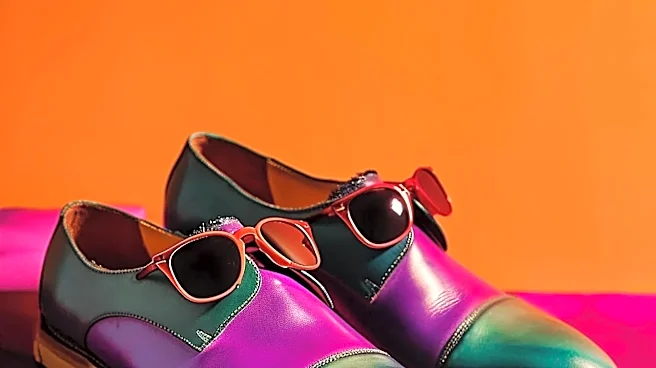
The official dress code might say “business professional,” but in a law firm, that term has a specific, conservative interpretation. For shoes, this translates to a few core principles: quality, subtlety, and maintenance. Quality is paramount; it’s better to own one excellent pair of shoes than five cheap ones. Senior lawyers often believe the quality of your shoes reflects your judgment. Subtlety means avoiding anything too trendy, flashy, or casual. For men, this means no square-toed shoes, no fashion-forward colors, and definitely no sneakers, even on business casual days. For women, it means closed-toe shoes are the safest bet, with heels at a modest, walkable height. Finally, maintenance is non-negotiable. Scuffed, worn-out shoes suggest a lack of discipline. Polished shoes are a must.
Common Mistake 1: Too Trendy or Too Casual
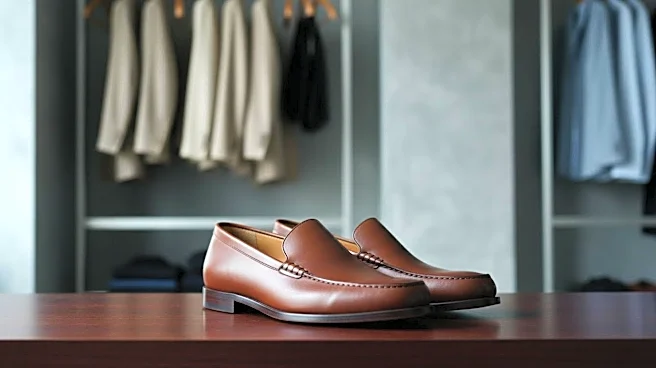
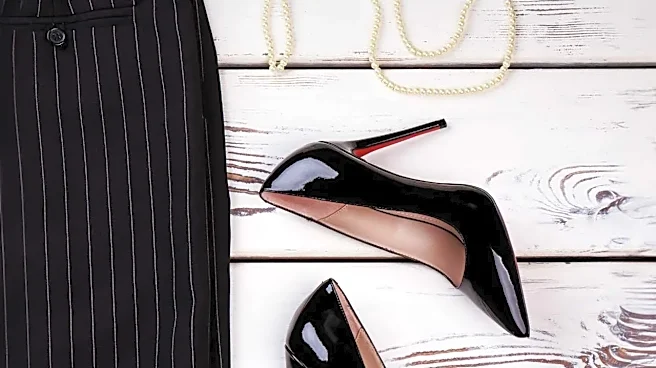
The biggest pitfall for first-time shoppers is choosing a shoe that is professional in another industry but too casual or fashionable for law. For men, this could be a high-end loafer that’s perfect for a creative agency but reads as weekend-wear in a corporate law setting. Even some Derby shoes can be seen as less formal than the standard cap-toe Oxford. For women, the mistakes often involve heel height or style. Stilettos, while formal, can be seen as impractical or overly flashy. Similarly, while some forums show female attorneys embracing more comfortable or stylish options like boots, wedges, or fashionable flats, the most conservative and safest choice for a new associate remains a classic, closed-toe pump or a structured flat. Open-toed shoes, even dressy ones, are generally considered too informal for a conservative office or court appearance.
Common Mistake 2: Ignoring Comfort for Style
An equally damaging mistake is choosing a shoe that looks the part but is incredibly uncomfortable. The life of a junior associate often involves long hours, walking across sprawling office campuses, and making trips to the courthouse. Shoes you can’t walk in confidently send a message of being unprepared. This is especially true for women who might opt for high heels without considering the practical demands of the day. If you can't walk with ease, the shoes are not professional. The solution isn't to default to casual footwear but to invest in high-quality, well-constructed dress shoes and to break them in properly before your first day. Comfort and professionalism are not mutually exclusive; brands known for quality construction often provide better support.
Your Fail-Safe Shopping Guide
To avoid the guesswork, stick to the classics. For men, the cornerstone of a legal wardrobe is a black cap-toe Oxford with leather soles. It is the undisputed standard for court appearances and formal client meetings. A second pair in dark brown or a deep burgundy can add versatility for business casual settings. For women, a classic closed-toe pump in black or nude with a heel height of three inches or less is the most reliable option. Structured leather flats or a low, conservative wedge can also work, especially in business casual environments. In either case, the focus should be on neutral colors, high-quality leather, and a clean, polished appearance. When in doubt, always err on the side of being more conservative. No one has ever been faulted for looking too polished in a law firm.