


From Working Man's Staple to Hollywood Uniform
Long before it graced Parisian runways, the Cuban collar—also known as the camp collar—was a practical garment born of necessity. Its origins are debated, with roots traced to 18th and 19th-century workwear from the Philippines to Latin America, most
notably the Guayabera shirt. This design, featuring a flat, open, notched collar, was engineered for ventilation in hot climates, making it a favorite among workers. The shirt migrated to the U.S., particularly after the Cuban Revolution in 1959, where it was adopted by an American workforce accustomed to stuffy collars and ties. It quickly shed its purely functional identity, becoming a symbol of off-duty leisure and rebellion. Style icons of the mid-20th century, like Elvis Presley, cemented its place in pop culture, transforming it from a worker’s shirt into a statement of effortless cool.
The Anatomy of Its Enduring Appeal
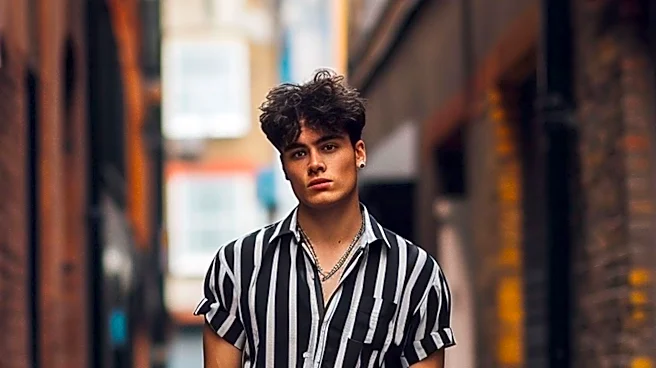
The magic of the Cuban collar lies in its unique construction. Unlike traditional shirts with a structured collar stand, the Cuban collar is a single piece of fabric that lays flat against the chest, creating a relaxed V-neck. This simple design choice does a few powerful things. First, it offers physical comfort and breathability, a feature that has become increasingly prized in a post-pandemic world focused on relaxed tailoring. Second, it’s universally flattering, broadening the chest and elongating the neck without requiring a perfect physique. This combination of laid-back confidence and subtle flattery makes it an easy win for designers and wearers alike. It's a shirt that feels intentional and stylish without looking like you tried too hard.
A Canvas for Modern Reinvention
For designers, the Cuban collar shirt is the perfect canvas. Its simple, boxy silhouette provides an uninterrupted field for creative expression, from the bold, tropical prints seen in classic Aloha shirts to the minimalist, block-color versions favored in contemporary menswear. The Spring/Summer 2027 shows in Milan and Paris, while focused on a broader mood of pragmatic, timeless style, continue to make space for this silhouette. Brands like Prada have previously championed the look, and its spirit lives on in the relaxed, louche tailoring and shrunken, boxy tops seen in recent collections. As fashion cycles through eras, the Cuban collar's versatility allows it to seamlessly fit into various aesthetics—from 1950s nostalgia to 1970s romanticism and modern, art-forward layering seen at brands like Lemaire.
More Than a Trend, It's a Staple
The constant return of the Cuban collar to the world's most influential runways isn't just about reviving a vintage look. It signifies a larger shift in menswear toward pieces that offer longevity, comfort, and personality. In an industry increasingly focused on creating clothes to be lived in, the Cuban collar shirt stands out as a garment with a purpose. It’s a rejection of stiff formality in favor of something more personal and expressive. Whether rendered in breezy linen, luxurious silk, or printed with a statement pattern, it represents a specific kind of modern masculinity: relaxed, self-assured, and perpetually in style. Its recurring role in Paris isn't a comeback; it's a confirmation of its status as a permanent fixture in the menswear lexicon.