





The Burden of the Armband
When Lionel Messi inherited the captain's armband for Argentina in 2011, it felt less like an honor and more like a heavy crown. He was already the world's best player, a phenomenon at Barcelona, but with his national team, he was perpetually compared
to the fiery, charismatic Diego Maradona. Early on, Messi’s leadership style was introverted; he led by example, not by speeches. This was often misinterpreted. Critics at home saw a detached figure, a Catalan in Argentine colors who didn't feel the weight of the shirt. In the 2014 World Cup, where he dragged his team to the final, the vocal leadership in the tunnel often came from teammate Javier Mascherano. Messi was the on-field tactical leader, but the perception was that he lacked the raw, commanding presence his country craved in a captain.
A Legacy of Heartbreak
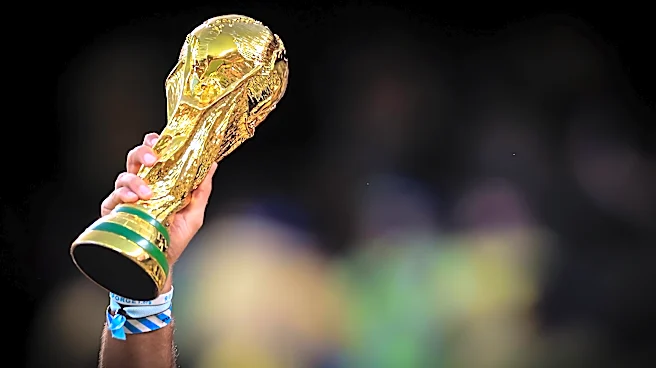
The period between 2014 and 2016 cemented this narrative of tragic failure. First came the devastating 1-0 loss to Germany in the World Cup final at the Maracanã stadium in Brazil. The image of Messi walking past the gleaming gold trophy, his face a mask of disappointment after being named player of the tournament, became iconic of his international struggle. The pain was profound; he later admitted he was haunted by the missed chances in that game. This was followed by two consecutive Copa América final defeats to Chile in 2015 and 2016, both lost on penalties. After missing his own spot-kick in the 2016 final, a shattered Messi announced his retirement from international soccer, telling reporters, "I think it's over for me." The burden had become too much to bear.
The Turning Point in Brazil
His retirement was short-lived, but his return marked the beginning of a profound transformation. The real shift came at the 2021 Copa América, ironically held in Brazil, the site of his greatest heartbreak. Argentina, under coach Lionel Scaloni, had built a new culture of unity, a band of brothers determined to win a trophy for their captain. Messi was no longer just a quiet genius; he became a vocal, emotional leader. A viral video of his pre-final speech showed a captain rallying his troops, reminding them of their sacrifices. Argentina beat Brazil 1-0 in the final, ending a 28-year senior trophy drought for the nation. The victory was a release. It lifted a national weight off his shoulders and validated a new, more complete form of leadership. His teammates didn’t just admire him; they were ready to follow him into battle.
The Warrior King of Qatar
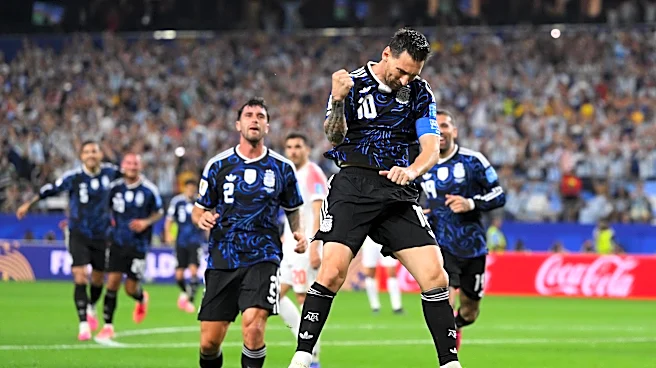
By the 2022 World Cup in Qatar, Messi had synthesized every version of himself: the on-field magician was now fused with a hardened, defiant general. This new persona was on full display during the contentious quarter-final against the Netherlands. Goaded by pre-match comments from Dutch coach Louis van Gaal, Messi played with a fiery edge. He delivered a masterful no-look assist, scored a penalty, and then celebrated by cupping his ears in front of the Dutch bench—a clear, combative message. This wasn't the withdrawn captain of old; this was a leader who embraced confrontation to fuel his team. He guided Argentina through the tense tournament, scoring seven goals, including two in the dramatic final against France, to finally capture the one prize that had eluded him. He had willed his team to victory, not just with his talent, but with his heart.