







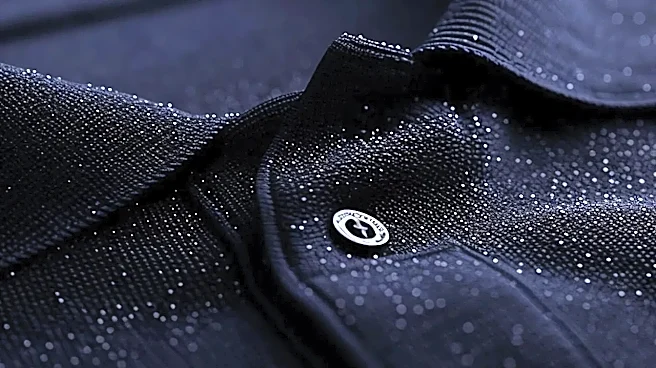
We’ve all been there: bundled in a huge sweater under a winter coat, yet somehow still feeling chilled. Or worse, breaking a sweat on the subway only to freeze once you’re back outside. The culprit might be your strategy, not the sweater itself.
The Big Sweater Misconception
It seems
logical that a thicker knit would equal more warmth. But when you stuff a bulky sweater under a coat, you often create the opposite effect. True insulation doesn't come from the thickness of a fabric, but from its ability to trap pockets of warm air. A chunky sweater compressed under a snug coat loses its loft, eliminating those crucial air pockets. Furthermore, many thick, stylish sweaters are made from materials like cotton, which absorb sweat and hold it against your skin. Once moisture is trapped, it rapidly cools your body, leaving you damp and colder than before. The goal isn't just to pile on material; it's to create an intelligent system that manages both heat and moisture.
The Three-Layer System: Think Like an Onion
The secret to all-day comfort is a versatile three-part system: a base layer, a mid-layer, and an outer layer. Each piece has a specific job, and together they work to keep you dry, warm, and protected from the elements. This method allows you to adapt to changing conditions—peeling off a layer when you step into a warm store or adding one back before facing a windy street. It’s about being prepared and in control of your personal climate, not just bracing against the cold.
Rule #1: Master the Base Layer
This is your second skin, and its primary job is moisture management. The goal is to wick sweat away from your body so it can evaporate, keeping you dry. This is where you should absolutely avoid cotton. Instead, opt for materials like merino wool or modern synthetics such as polyester or polypropylene. Merino wool is a fantastic natural option; it’s soft, resists odor, and can insulate even when slightly damp. Synthetics are often more affordable and excel at drying quickly, making them ideal for more active days. A snug fit is key for a base layer to do its job effectively.
Rule #2: Get Smart With Your Mid-Layer
This is the engine of your warmth, designed to trap the body heat that your base layer helped preserve. This is where a sweater can live, but it should be the right kind. Instead of a single chunky knit, think about more efficient insulators. A fleece jacket is a perfect example; it's lightweight, breathable, and holds warmth even when damp. A thin down or synthetic 'puffy' vest or jacket is another excellent choice, offering maximum warmth for minimal weight and bulk. Lighter merino wool sweaters also work beautifully here. The key is trapping air without adding so much volume that you compress the layer and restrict movement.
Rule #3: The Outer Layer as Your Shield
Your coat, or outer shell, has one main purpose: to protect you and your insulating layers from the elements. It's your defense against wind, rain, and snow. A good outer layer blocks the wind from stealing the warm air your mid-layer has so carefully trapped. If your inner layers are doing their jobs correctly, your winter coat doesn't need to be massively thick itself. It just needs to be the impenetrable barrier that keeps the weather out and the warmth in, completing the system.