



Curation as a Competitive Advantage
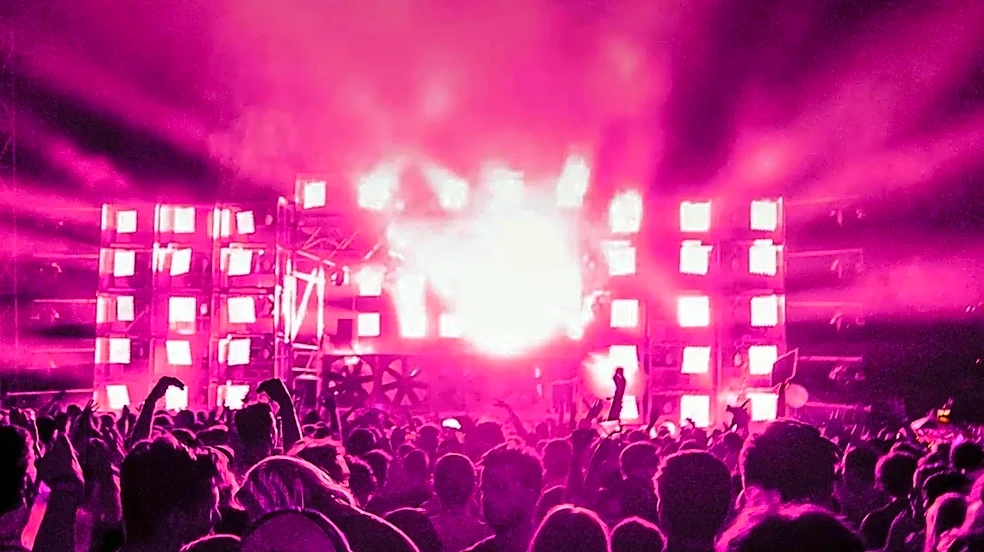
Unlike corporate festivals that often book headliners using data-driven, broad-appeal logic, Camp Flog Gnaw feels like a personal mixtape from its founder. The lineup is an extension of Tyler, the Creator’s own taste, featuring a mix of hip-hop giants,
indie darlings, and rising stars who fit his specific aesthetic. This curated vision creates an incredibly loyal audience that trusts the brand, not just the names on the poster. In business terms, this is a powerful moat. While other festivals compete for the same handful of global headliners, Camp Flog Gnaw cultivates a unique identity that can't be easily replicated. The trade-off is a potentially smaller, more niche audience, but the benefit is a fanbase that is deeply invested in the festival's success because it feels like an authentic community.
The High-Risk, High-Reward Revenue Game
When an artist owns the festival, they trade a guaranteed multi-million dollar headliner fee for a much bigger, but riskier, piece of the pie. A corporate festival promoter like Live Nation absorbs the immense costs—and risks—of production, insurance, and artist fees. For an artist-owned event, a significant portion of that risk falls on the creator. A rainy weekend or a last-minute headliner cancellation can be financially devastating without a corporate safety net. However, the rewards are equally substantial. The artist captures revenue not just from ticket sales, but from every possible angle: VIP packages, food and beverage, and, most importantly, merchandise. This model allows the artist to control the entire economic ecosystem of the event.
Owning the Experience, End to End
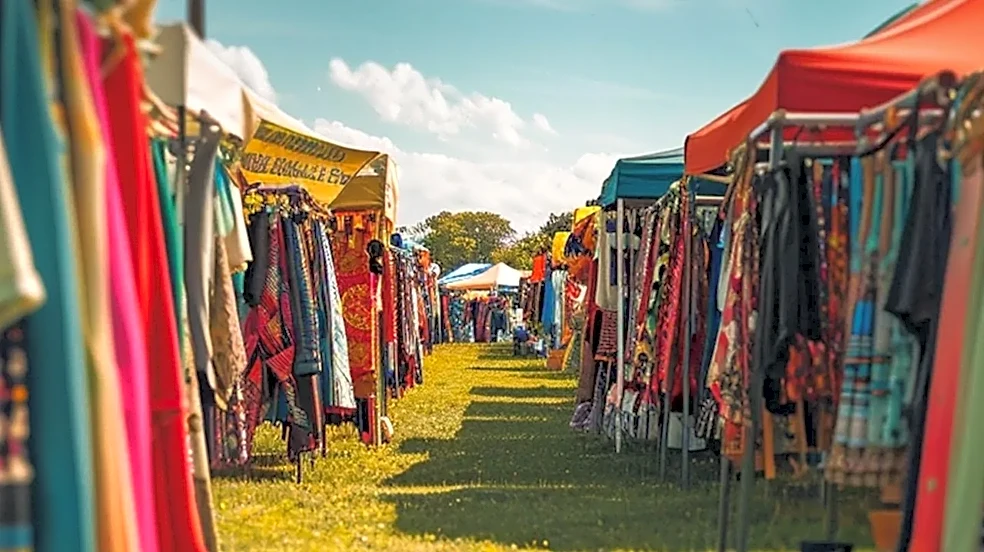
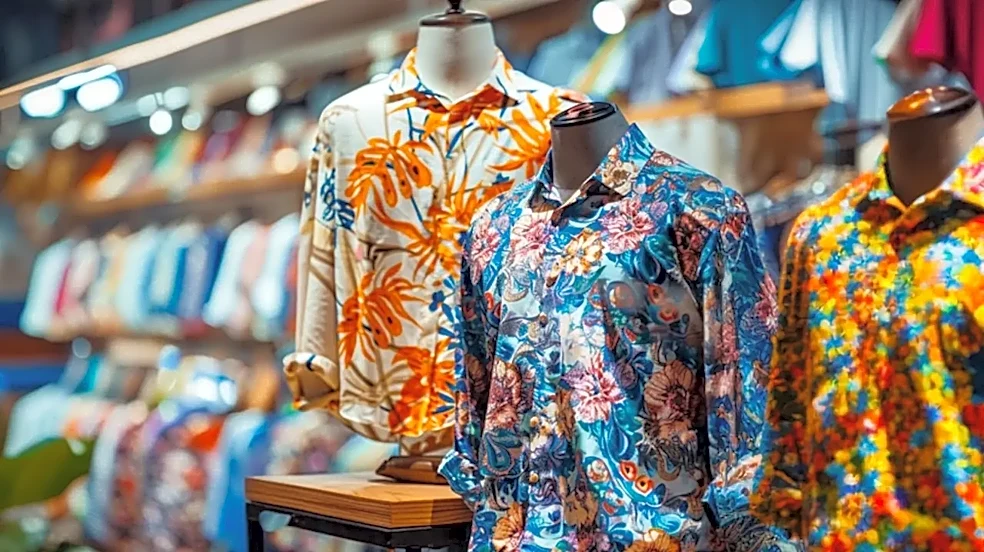
Camp Flog Gnaw is a masterclass in vertical integration. The festival is saturated with Tyler’s other business ventures, most notably his Golf Wang and Golf le Fleur brands. Exclusive merchandise available only to attendees turns the festival grounds into a massive, experiential pop-up shop. Fans aren't just going to a concert; they are stepping into a fully realized world where the music, the fashion, the carnival rides, and the overall aesthetic are all part of a single, cohesive brand. This creates multiple touchpoints for revenue and deepens the fan's connection to the artist's entire creative universe, turning concertgoers into lifelong brand loyalists.
The Authenticity Paradox
Herein lies the central challenge: scaling without 'selling out'. To achieve its size and smooth execution, Camp Flog Gnaw partners with a major industry player, Goldenvoice, the same promoter behind Coachella. This partnership provides the logistical and production muscle needed to host a massive event at a venue like Dodger Stadium, a task too complex for most independent teams. This is the tightrope artist-owned festivals must walk. They need corporate partners to function at a high level, but their core appeal is a sense of independence and authenticity that stands in opposition to the corporate festival machine. Camp Flog Gnaw's success demonstrates that it's possible to leverage corporate infrastructure while fiercely protecting the artist's creative control, maintaining the unique vision that makes the festival special in the first place.