








The Serena Standard: When Losing Is a Bigger Headline
For much of her two-decade reign, a Serena Williams loss was a bigger story than a win. That’s the paradoxical burden of dominance. Early in her career, each Grand Slam was a triumph. But as she stacked up titles, the script flipped. Victory became the expected
outcome, the default setting. The public and media conversation shifted from celebrating her wins to analyzing her losses with forensic intensity. Every tournament she entered, she was expected to win; anything less was framed as a failure or a shock. This created what her own coach acknowledged was immense pressure. She was no longer just playing an opponent; she was battling the statistical ghost of her own greatness. This phenomenon isn't just about external pressure; it reshapes an athlete's internal landscape, where the fear of not living up to impossible standards can become a powerful adversary.
The Messi Coronation: Completing the Game
For years, the singular expectation for Lionel Messi was to win a World Cup, the one peak he hadn't conquered. It was a weight that defined his international career, subjecting him to relentless comparisons with Diego Maradona. His 2022 World Cup victory in Qatar was seen as the final piece of his legacy, a coronation that ended the debate for many about his status as the greatest of all time. But once that ultimate expectation was met, a new one formed. The narrative shifted from “Can he do it?” to a serene appreciation, but also a quiet question of “What now?” With every major trophy secured, his subsequent performances are judged against that perfect, career-defining moment. The desperate hope of a nation was fulfilled, but in its place came the expectation of a flawless epilogue. The pressure to win was replaced by the pressure to preserve an untarnished legacy.
The Psychology of the Summit
The journey to the top is fueled by a desire to prove you belong. The journey at the top is consumed by the fear of proving you no longer do. This is the psychological trap of sustained success. Research and athlete testimonies reveal that winning can become a handicap. Each victory raises the bar, narrowing the definition of future success until only perfection will suffice. This creates a relentless cycle where athletes aren't just trying to win; they're trying not to lose the status they’ve earned. This pressure can lead to anxiety and burnout, as seen with decorated champions like Simone Biles. The brain's reward system, which releases dopamine after a win, can create a powerful feedback loop. But when winning becomes the baseline, the joy is diminished and the relief of meeting expectations replaces the thrill of achievement, while any failure feels catastrophic.
From Cheering to Scrutinizing
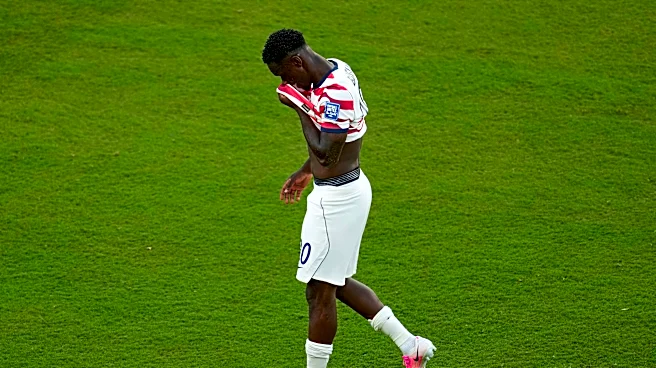
Winning doesn’t just change an athlete; it changes the fans. When an underdog rises, we cheer for them. When a champion reigns, we start looking for cracks. The U.S. Women's National Team in soccer has experienced this firsthand. After dominant World Cup victories in 2015 and 2019, the expectation for the team became dynastic. Anything less than a gold medal at a major tournament is now often viewed as a national failure. New coach Emma Hayes noted that the expectations for the USWNT are “impossible to satisfy.” This shift turns supporters into critics and places athletes under a microscope where every mistake is magnified. We move from celebrating their humanity to demanding their perfection, forgetting that the drive and fire we first fell in love with are often fueled by the very imperfections we later condemn.