





The Summer Movie Has a Specific Job
Let’s be honest about what the summer movie was built to do. Its origins trace back to the 1930s and '40s when theaters were simply a cool, air-conditioned escape from the heat. That DNA of pure, accessible relief still runs through the modern summer blockbuster.
The season is for movies that are communal, easy to agree on with a group, and deliver a concentrated dose of fun. They aren't typically meant to be dense, meditative character studies that demand deep post-credit analysis. The ideal summer film is a rollercoaster, not a cross-country road trip. It’s an experience that respects your time and your desire for uncomplicated enjoyment. A tight, 95-minute action-comedy or animated adventure understands this assignment perfectly, delivering spectacle and satisfaction without demanding an entire evening.
Efficiency Is an Art Form
Somewhere along the line, a longer runtime became falsely equated with artistic seriousness or higher quality. But more is not always more. A bloated, three-hour film can often be a sign of undisciplined storytelling or directorial self-indulgence. The ability to tell a compelling, emotionally resonant story in under two hours is a skill—one that great filmmakers have mastered for decades. Think of the punchy efficiency of a classic like E.T. the Extra-Terrestrial or the lean storytelling of many beloved animated films from the '90s. These movies didn't need extra subplots or extended finales to become cultural touchstones. They respected the audience by trimming the fat and ensuring every scene served the story. A well-crafted 95-minute movie is a testament to sharp editing and focused narrative, proving that brevity can be a powerful artistic choice.
The Modern Attention Economy Is Real
It’s not just a cliché; we live in an era of unprecedented competition for our time. Choosing a movie, especially for a spontaneous weeknight outing, is a commitment. A three-hour runtime can be a significant barrier, turning a casual movie night into a logistical puzzle involving dinner times, babysitters, and next-day exhaustion. A shorter film, however, is an easier 'yes.' It fits neatly into the pockets of our busy lives. This isn't a knock on our collective attention spans; it's a pragmatic recognition of modern life. Studios that deliver concise, high-impact entertainment are meeting audiences where they are. The incredible success of films that pack a full experience into a shorter package proves there's a hungry market for stories that get to the point.
An Epic Must Earn Its Length
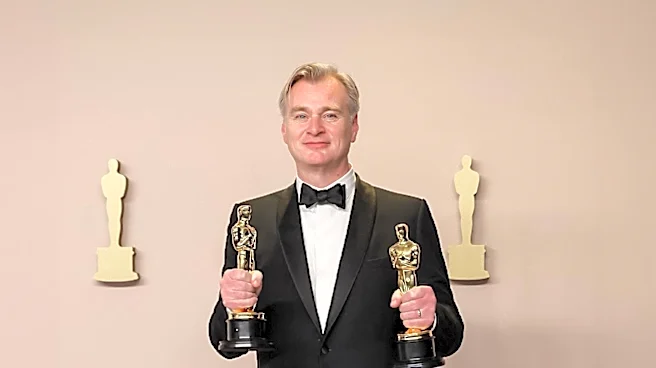
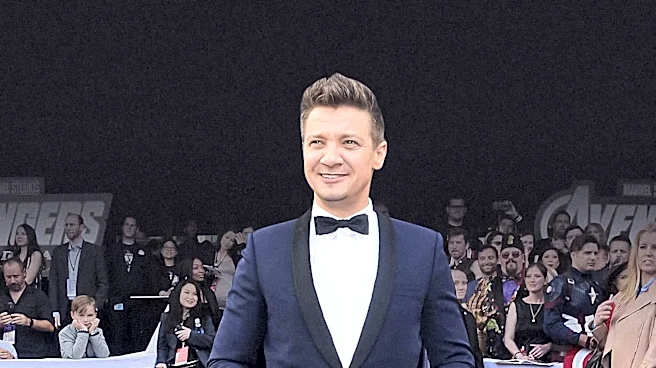
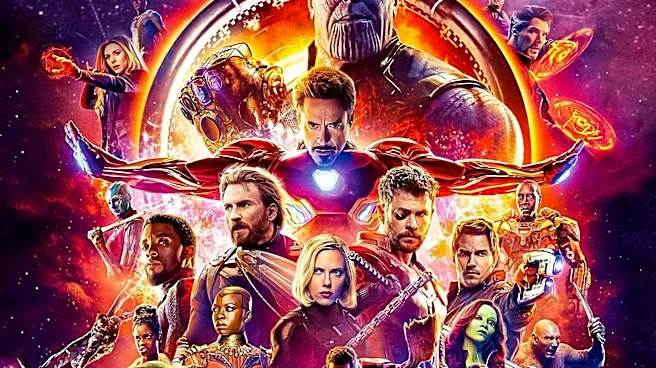
This isn't to say all long movies are bad. Of course not. An epic like Oppenheimer or a world-building saga like Avengers: Endgame uses its extensive runtime to build a universe, develop complex characters, and deliver a payoff that would be impossible in 90 minutes. These films earn their length. The key difference is necessity. A historical epic needs its runtime for context and depth. A massive crossover event needs time to service its sprawling cast of characters. But does a summer action-comedy about swapping bodies or a straightforward creature feature need to push past the two-and-a-half-hour mark? Rarely. The problem arises when films that should be lean and fun adopt the runtime of an awards-season drama, bogging down the pacing and diluting the enjoyment.