





The Real Cost of a Hollywood Hit
When we talk about a movie's success, we usually hear two numbers: the production budget and the worldwide box office gross. The first is the cost to make the film—cast salaries, sets, special effects. The second is the total ticket sales. A simple comparison
seems easy, but it ignores the enormous and often hidden cost of marketing and advertising (P&A). A general rule of thumb in Hollywood is that a studio will spend anywhere from 50% to 150% of the production budget just to market the film. This includes trailers, TV spots, billboards, and social media campaigns. To actually turn a profit, a film typically needs to gross at least 2.5 times its production budget. Suddenly, a movie that made $100 million on a $50 million budget might actually be a financial loss once a hefty marketing spend is factored in.
Case Study 1: The 1978 Gold Standard
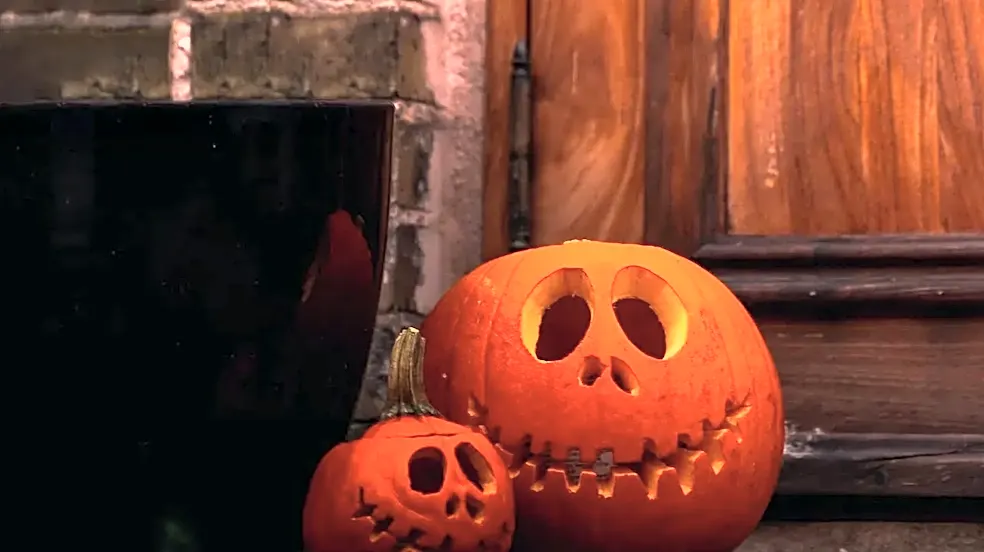
John Carpenter's original 'Halloween' is a masterclass in return on investment (ROI). Made for a shoestring budget of around $325,000, the independent film was a slow-burn phenomenon. It relied on word-of-mouth rather than a massive TV ad buy. Its eventual worldwide gross of $70 million represents one of the most profitable films of all time. The production was famously frugal; the iconic Michael Myers mask was a modified William Shatner mask purchased for about two dollars. With minimal marketing spend, nearly all the revenue after theaters took their cut was profit. This set an almost impossible standard for the sequels, which would operate in a completely different Hollywood ecosystem with much higher financial stakes.
Case Study 2: The Modern Blockbuster Era
Now, let's jump to the recent trilogy from director David Gordon Green. The 2018 'Halloween' reboot had a production budget of just $10 million, a classic move from horror powerhouse Blumhouse Productions. But as a major studio release from Universal, its marketing budget was substantial, estimated to be around $15 million. The film was a monster hit, grossing over $255 million worldwide, making the combined $25 million cost a spectacular investment. The sequels, 'Halloween Kills' (2021) and 'Halloween Ends' (2022), had larger production budgets, reportedly in the $20 million to $33 million range respectively. While both were profitable, their ROI picture is more complicated. 'Ends' grossed $105 million worldwide, a solid number but a significant drop from its predecessors, demonstrating how even a profitable film can be viewed as a disappointment when expectations—and costs—are high.
Why Marketing Changes Everything
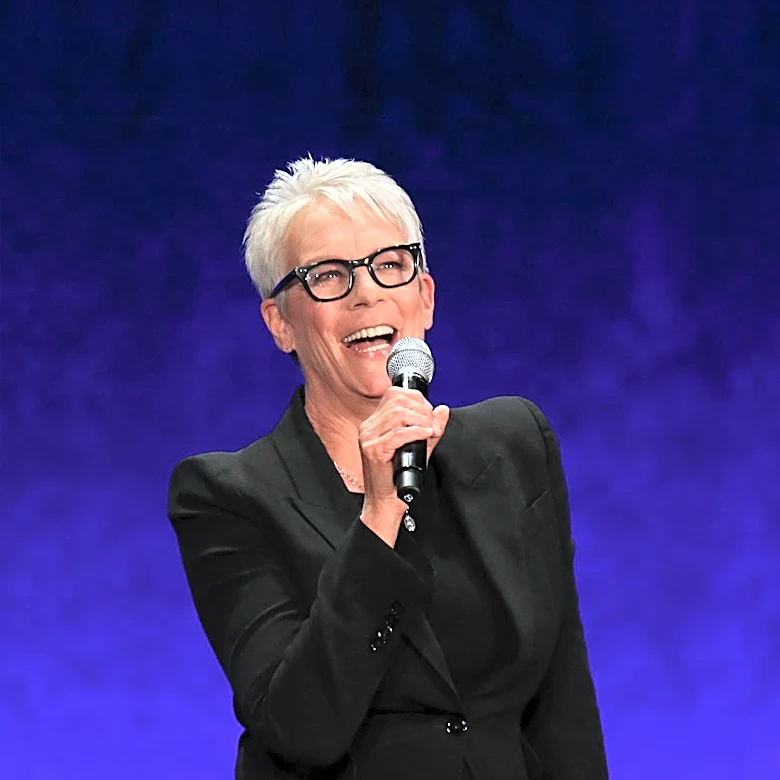
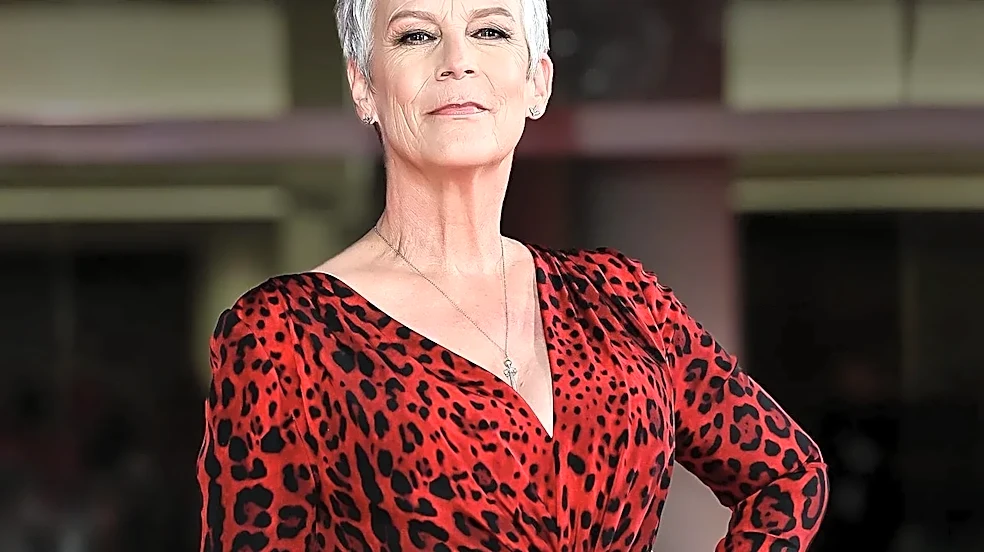
Comparing the different eras of the franchise reveals the critical role of marketing. A sequel like 'Halloween 5: The Revenge of Michael Myers' (1989) cost around $6 million to make but only grossed $11.6 million. After theaters took their 50% cut and accounting for marketing costs, the film was likely a money-loser for its financiers. Contrast that with 'Halloween H20: 20 Years Later' (1998), which had a much larger $17 million budget but successfully leveraged the return of Jamie Lee Curtis in its marketing, leading to a $55 million gross—a clear financial win. The numbers show that a higher production budget isn't necessarily bad, as long as the marketing is effective and the audience shows up. The horror genre is famous for low-budget hits, but the 'Halloween' franchise proves that even with a well-known villain, getting people into seats requires a significant and calculated promotional investment that dramatically shapes the bottom line.