



From Ensemble Casts to Solo Spotlights
Not long ago, TV show promotion was a simpler affair. The go-to tool was the ensemble poster: the entire cast smiling, standing, or striking a pose together. The goal was broad and straightforward—introduce the show and its recognizable actors. This approach
treated the show as a single product. Think of classic posters for sitcoms or network dramas; they sold a collective experience. The logistics of getting an entire cast together for a single, high-concept photo shoot were often a challenge, making a standard group shot the most practical option. These posters served their purpose in an era when television was a less fragmented, more communal experience, but the media landscape was about to change dramatically.
When Characters Became the Main Event
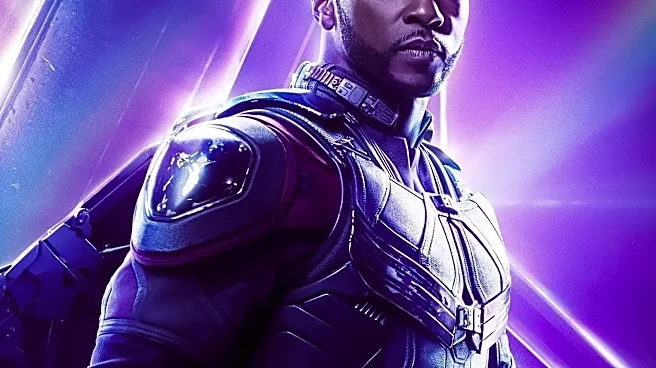
The shift away from the ensemble shot began as television storytelling grew more complex. The "Golden Age" of television in the 2000s ushered in an era of anti-heroes, sprawling ensemble casts with intricate plots, and characters that audiences became deeply invested in. Shows like The Sopranos, Lost, and later Game of Thrones weren't just about a premise; they were about the journey of specific individuals. Marketing followed suit. The earliest versions of character-focused marketing were "personality posters" in the early days of cinema, designed to build up a star's brand rather than promote a specific film. By the 2000s, this idea was reborn for the modern blockbuster and prestige TV show. Marketing departments realized that in a show with a dozen significant players, fans didn't just love the show—they loved a specific character. This gave them a new, more targeted way to sell the series.
Designed for the Digital Feed
The real catalyst for the character poster explosion was the rise of social media. An ensemble poster is a single piece of content. A set of ten character posters, however, is ten distinct opportunities for engagement. They are perfectly designed for the digital world: easily shareable, visually striking, and ideal for generating conversation. Fans can share the poster of their favorite character, using it as a declaration of allegiance. Actors share their own posters on their personal accounts, vastly multiplying the campaign's reach. Each poster becomes a digital collectible and a prompt for discussion, with fans dissecting the lighting, costume, and expression for clues about the upcoming season. This turns a passive audience into active, unpaid marketers for the network or streaming service.
More Than Art, It's Audience Data
In the modern streaming era, character posters serve a final, crucial purpose: data collection. When a network releases a dozen posters for a new season, they aren't just looking for likes; they're measuring which characters resonate most strongly with the public. The engagement metrics—shares, comments, and overall sentiment—provide a valuable snapshot of audience interest. This data can inform the rest of the marketing campaign, helping studios decide which character to feature in a trailer or which actor to send on the talk show circuit. It’s a form of market research disguised as a content drop. In a crowded landscape where every show is fighting for attention, knowing which character your audience is already rooting for is a powerful competitive advantage.