


The Trend: A Game of Inches
On the runways of Paris, a quiet but powerful shift was taking place. At shows like Giorgio Armani and Paul Smith, there was a clear move towards looser, more relaxed tailoring perfectly suited for the heatwave conditions under which the collections were
shown. This translated to jackets with elongated sleeves that felt easy and unlined, sometimes pushed up or with cuffs turned. At the same time, brands like Juun.J showcased exaggerated proportions, including oversized bombers and wide-leg silhouettes that play with volume from shoulder to wrist. This wasn't about sloppy fits; it was a deliberate choice. The new silhouette is about creating a sense of ease and flow, a move away from the restrictive, disciplined shapes of the past toward what trend forecasters are calling "soft masculinity." Whether grazing the knuckles or deliberately pushed up, the sleeve became a primary tool for establishing this new, softer mood.
Why Sleeve Length Changes Everything
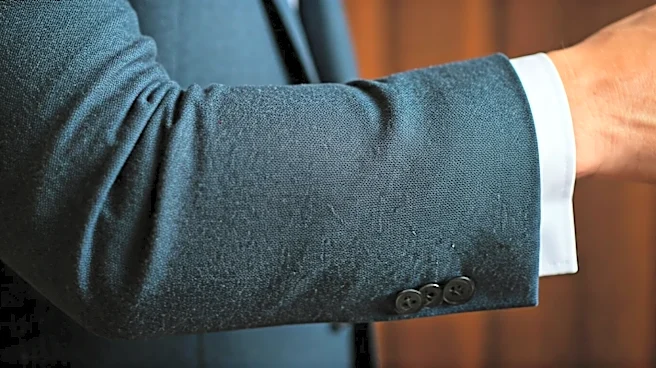
To the uninitiated, sleeve length might seem like a trivial detail. To a tailor or designer, however, it's a fundamental architectural element. A sleeve that’s too long can look sloppy, while one that’s too short can seem unfinished. The classic rule for a suit jacket is to allow about a half-inch of shirt cuff to show, a detail that visually balances the entire look. But fashion loves to break rules. By extending the sleeve, designers are altering the body's perceived proportions. A longer sleeve can make the arms appear longer and leaner, contributing to a more languid, relaxed frame. Conversely, a shrunken or cropped sleeve creates a punkish, unconventional silhouette. The sleeve is one of the key "visual anchor points" of a garment; changing its length or volume fundamentally alters how we perceive the entire outfit.
A Signal of a Broader Shift
This focus on the sleeve isn't just a fleeting trend; it’s a reflection of a larger cultural shift in menswear. The move towards softer, more romantic silhouettes, as seen in Jonathan Anderson's work at Dior, signals a departure from rigid formality. This aesthetic values flow, emotion, and fabrics that move with the body rather than constricting it. The oversized, protective shapes seen in some collections can be read as a form of "clothing as shelter," a response to a world that feels increasingly uncertain. By manipulating something as simple as a sleeve, designers are commenting on masculinity itself, suggesting a version that is more expressive, fluid, and less confined by traditional sartorial rules. The result is a wardrobe that feels more personal and emotionally resonant.
Making the Look Your Own
The good news is that you don't need a runway budget to play with this idea. The key takeaway is to pay attention to proportion. Simply buying a larger size often leads to a poor fit in the shoulders and neck. Instead, look for pieces designed with intentional volume. When trying on a jacket or shirt, notice where the sleeve ends. Does it feel purposeful? Try experimenting with a cuff or a push-up of the sleeve to see how it changes the feel of your outfit. For a classic jacket, ensure your shirt sleeve extends just slightly beyond the jacket cuff; this remains a timelessly elegant look. But for more casual pieces, like a chore coat or a bomber jacket, allowing the sleeve to be a little longer can add a contemporary, relaxed edge to your style. It's about finding the balance that feels right for you and the specific garment.