


The New Rules of Formalwear
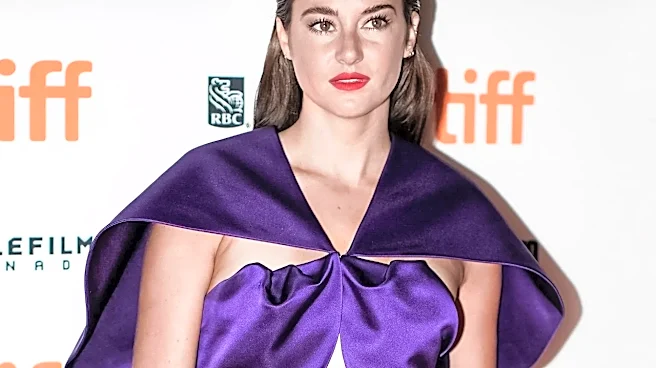
The early days of the 2026 Toronto International Film Festival have made one thing clear: the classic suit is anything but boring in the right hands. Forget the rigid, corporate armor of decades past. This year’s red carpet showcases a fluid and expressive
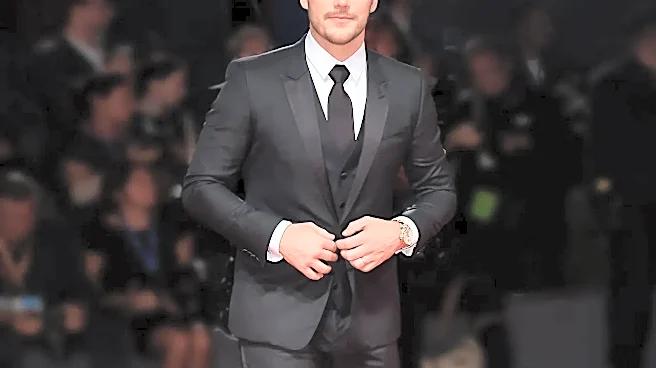
approach to tailoring. We've seen Sebastian Stan in a handsome double-breasted Dior suit, worn casually over a simple crewneck t-shirt, redefining premiere polish. Patrick Dempsey also opted for a sharp navy suit, proving that classic cuts remain impactful. At the same time, actors like John Malkovich pushed the envelope entirely, arriving in a vibrant yellow suit paired with a patterned shirt—a confident look that trades traditional solemnity for personality. Even soccer superstar Megan Rapinoe embraced the trend, wearing a striking suit accented with a ruby sash. These moments demonstrate that tailoring is no longer a uniform but a canvas.
From Stiff Uniform to Personal Statement
This evolution didn't happen overnight. For years, menswear on the red carpet was an afterthought, a predictable parade of black, navy, and charcoal. But a cultural shift has taken place, moving prestige away from ostentatious formality and toward authenticity and personal expression. Men's fashion is increasingly embracing fluidity over rigid form, a trend seen in the rise of relaxed tailoring in recent seasons. Actors and their stylists began to realize that clothing could be part of the performance of celebrity itself. A suit could be used to project classic masculinity, as seen with Dempsey, or subvert it with bold color like Malkovich. This change reflects a broader trend where luxury is defined by quality and self-expression, not just adherence to old rules.
The Versatility of the Modern Suit
The reason tailoring has become such a durable part of the menswear vocabulary is its incredible versatility. A well-cut suit is a foundation, not a restrictive cage. The difference lies in the details: a double-breasted jacket lends a touch of vintage swagger, while pairing a suit with a t-shirt or sneakers, as Stan did, projects an accessible coolness. Color has also become a powerful tool. In previous years, stars like Callum Turner have stood out in shades of purple or blue, proving that moving beyond monochrome is a fast way to make an impression. The suit's durability comes from this capacity for reinterpretation. It can be formal, relaxed, rebellious, or classic, depending entirely on how it's styled. It’s a language that everyone understands, but the most interesting speakers are the ones who know how to play with the grammar.
Why It Works at TIFF
The Toronto International Film Festival provides a unique platform for this sartorial evolution. It lacks the formal rigidity of Cannes but carries more prestige than more celebrity-focused awards shows. TIFF is known as a serious, business-focused festival where many Oscar contenders make their debut. The vibe is one of sophisticated professionalism, and the fashion often follows suit. Actors are there to promote their work, and their wardrobe choices reflect a certain thoughtful self-presentation. It's the perfect environment for a look that is polished and intentional without being costume-like. The festival's timing at the cusp of autumn also encourages richer fabrics and layered looks, making tailoring a natural fit. Brands have taken notice, with some even setting up mobile showrooms focused on modern tailoring near the festival hub.