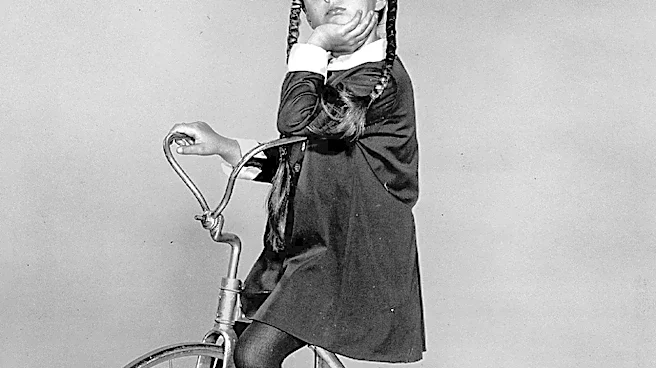




More than three decades after its release, one scene from 'Addams Family Values' remains a beloved, subversive holiday tradition. The Camp Chippewa Thanksgiving pageant is more than a moment of gothic comedy—it’s a masterclass in satire.
The Whitewashed World of Camp Chippewa
The setup is a
perfect caricature of oppressive cheerfulness. Sent away to summer camp, Wednesday and Pugsley Addams are plunged into the world of Camp Chippewa, a nightmare of forced smiles, pastel colors, and relentless optimism run by the pathologically perky counselors Gary and Becky Granger. The camp is a stand-in for a certain vision of privileged, conformist America. This world serves as the ideal satirical target for the film’s climactic pageant, a play titled 'A Turkey Named Brotherhood'. The play is intended to be a heartwarming, sanitized retelling of the first Thanksgiving, full of condescending lines about 'savages' and their 'strange customs' delivered by the camp’s blonde, popular queen bee, Amanda Buckman. The script itself, written by Gary, is a monument to historical inaccuracy, designed to reinforce a comfortable but false national myth.
Casting the Rebellion
The pageant’s satirical genius lies in its casting. Gary and Becky, in their infinite wisdom, cast all the privileged, conventionally attractive white children as the Pilgrims. Meanwhile, the roles of the Native Americans are given to the camp's outcasts: Wednesday, Pugsley, their nerdy friend Joel Glicker, and every other child who doesn't fit the camp's narrow mold of perfection. This includes children of color and those with disabilities, who are literally designated the 'dark meat' to the Pilgrims' 'white meat' by the counselors. This decision turns the play into a potent metaphor. The very kids marginalized by Camp Chippewa's social structure are now tasked with playing the historical group marginalized by the American story. It’s a setup that practically begs for subversion, transforming the stage into a battleground for the soul of the holiday.
Wednesday’s Unflinching Monologue
After a brief moment of feigned compliance, Wednesday Addams, cast as Pocahontas, hijacks the play. She drops the script and launches into a deadpan, historically brutal monologue that systematically dismantles the cozy Thanksgiving narrative. 'You have taken the land which is rightfully ours', she begins, her tone chillingly calm. She proceeds to lay out a future of colonial consequences with startling precision: 'Years from now, my people will be forced to live in mobile homes on reservations. Your people will wear cardigans and drink highballs'. The speech contrasts the projected future of Indigenous pain and degradation with the comfortable, suburban destiny of their colonizers, right down to the stick shifts in their cars. It’s a stunning piece of writing, injecting hard truths about genocide, displacement, and cultural erasure directly into a feel-good school play.
Burning the Myth to the Ground
Wednesday’s final lines—'And for all these reasons, I have decided to scalp you and burn your village to the ground'—are the signal for anarchy. The monologue was the ideological attack; what follows is the physical one. Led by Wednesday, the cast of 'Indians' rises up, tying Amanda to a stake, setting the stage ablaze, and turning the camp’s canoes into weapons. This climactic chaos is not just slapstick violence; it's the literal destruction of the false historical narrative the play sought to uphold. The outcasts' rebellion is a visceral, fiery rejection of the sanitized history they were forced to perform. By burning down the set, they are symbolically burning down the lie of a peaceful, uncomplicated Thanksgiving, making the film's satirical point with explosive clarity.