



The Bird We Thought We Knew
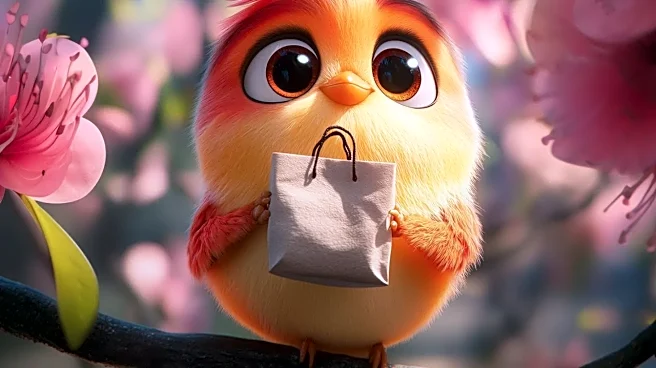
For generations of cartoon lovers, Tweety is the epitome of vulnerable cuteness. With his high-pitched voice, long eyelashes, and oversized head, he became a symbol of innocence constantly in peril. Living under the protection of Granny, he spends his days
in a gilded cage, sweetly singing until his nemesis, Sylvester, inevitably appears. This familiar dynamic, established largely by director Friz Freleng, cemented Tweety’s place in the pop culture pantheon as a perpetually endangered but surprisingly resourceful canary. This version of the character, however, is a significant departure from the one first conceived by his creator.
Meet Orson, the Naked Brawler
The original storyboards for Tweety’s 1942 debut in “A Tale of Two Kitties” reveal a startlingly different character. Created by animator Bob Clampett, this early version wasn't even named Tweety; the model sheet called him Orson. Far from a domestic canary, Orson was a wild baby bird, and most shockingly, he was pink and completely featherless. Clampett himself admitted the design was based on his own naked baby pictures. But the differences weren't just cosmetic. This initial bird was no passive victim. He was aggressive, mischievous, and far more proactive in defending his nest from a pair of cats named Babbit and Catstello. He was less of a sweetie and more of a saucy brawler who took genuine delight in his enemies’ painful failures.
Censorship and a Coat of Feathers
So what happened to the pugnacious pink bird? Censors happened. After a few cartoons, officials from the Hays Code production office objected to the character's design, arguing that the pink, featherless bird looked uncomfortably “naked.” The suggestion was even made that he should wear pants. As a compromise, the studio decided to cover him up. For his subsequent appearances, the character was given a coat of bright yellow feathers, a change that pushed him visually toward the canary we recognize today. This seemingly small aesthetic tweak was the first major step in softening the character's edgy persona and moving him away from Clampett’s original, more chaotic vision.
The Freleng Redesign: A Softer, Gentler Bird
The character's evolution was finalized when director Friz Freleng took over. After Clampett left Warner Bros., Freleng redesigned Tweety, toning down the aggression and emphasizing his cute features. He gave the bird his now-iconic large blue eyes and a more genial, soft-spoken personality. This new Tweety was more of a reluctant hero, reacting to threats rather than instigating conflict. Freleng paired this softer bird with Sylvester the Cat for the 1947 short “Tweetie Pie,” a film that won an Academy Award and created one of animation's most enduring rivalries. The new formula was a massive success, but it effectively hid the original, more volatile character that storyboards had first captured.