

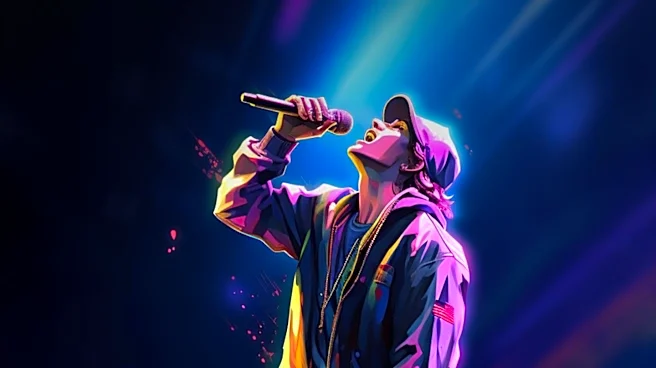
The Millennial Main Stage Pilgrimage
For many Millennials, a music festival is a mission. You bought the ticket for a reason, and that reason is likely printed in the largest font on the lineup poster. This is the generation of headliner loyalty. Raised on MTV, rock radio, and the full-album
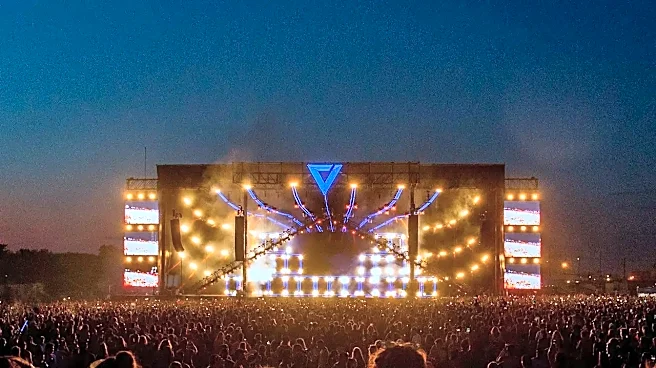
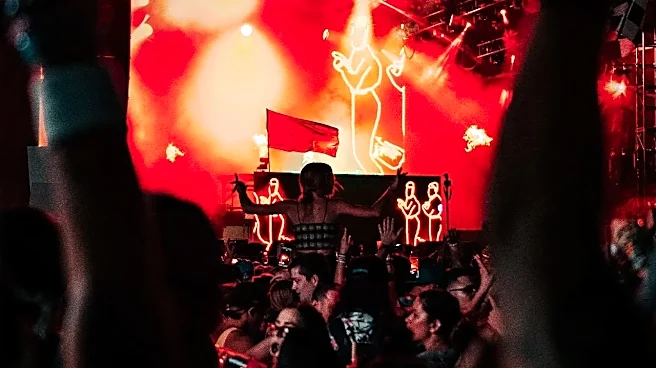
format, their musical heroes were curated for them by cultural gatekeepers. The relationship with a band was an investment of time and money—buying CDs, reading magazine interviews, and watching their music videos on repeat. At Lollapalooza, this translates into a daylong strategy centered on the main stage. They arrive early, stake out a patch of grass, and endure a series of opening acts with the singular goal of getting the best possible view of the band they came to see, like the returning alt-rock heroes The Smashing Pumpkins. For them, the festival experience is about paying tribute to a long-established connection.
Gen Z's Algorithmic Treasure Hunt
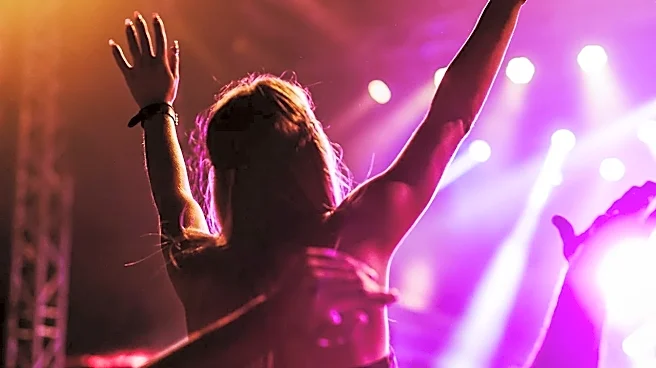
Gen Z, by contrast, treats the festival grounds like a living, breathing playlist. For a generation raised on the endless scroll of TikTok and the hyper-personalized recommendations of Spotify, loyalty is not to an artist’s entire catalog, but to a specific song, a viral clip, or a fleeting aesthetic. This is discovery culture. They are less likely to camp out and more likely to wander, phone in hand, chasing sounds and scenes. The Lollapalooza lineup is a matrix of potential moments to be captured and shared. They might sprint from a K-pop set by JENNIE or aespa to catch a viral hyperpop artist on a smaller stage, not because they’re lifelong fans, but because that artist represents what’s new and next. Their fandom is fluid, genre-agnostic, and driven by a constant fear of missing out on the next big thing. The goal isn't just to see the show, but to create content from it.
The Lineup Reflects the Divide
Festival promoters are acutely aware of this shift. The Lollapalooza 2026 lineup is a masterclass in catering to both sensibilities. Legacy acts like The Smashing Pumpkins and The xx anchor the bill, pulling in the reliable Millennial crowd with deep catalogs and established legacies. But scattered throughout are artists who feel like they were born from an algorithm—acts with massive online followings but perhaps only one or two widely known hits. The high billing of artists like Tate McRae, a pop star who gained fame on social media, alongside global sensations like K-pop's JENNIE, shows that a massive TikTok presence is now as valuable as decades of rock-radio airplay. Festivals are no longer just booking bands; they're booking viral trends and online communities, hoping to capture the energy of the internet for a weekend.
What This Means for the Festival Experience
This generational clash changes the very fabric of a festival. The communal experience of a massive crowd united for one headliner is being replaced by a more fragmented, individualized journey. While Millennials seek a shared, predictable peak, Gen Z chases a series of personal, unpredictable discoveries. This has led to a rise in a different kind of festival-goer: the cultural explorer. This younger audience is often more open to new ideas and brand experiences on the festival grounds, seeing the entire event as a landscape for discovery. The side stages, once considered a stepping stone for up-and-comers, are now destinations in their own right, capable of drawing crowds as dense and passionate as the main stage, all thanks to a 15-second audio clip that went viral a month earlier.