







Make It Bigger Than the Game
The 90 minutes on the pitch are the anchor, but they shouldn’t be the whole story. The most memorable trips are those that blend the main event with the spirit of the place you’re visiting. Frame the vacation as a cultural adventure with a massive soccer
game at its heart. Before you even leave, use the tournament as a fun geography lesson. Pull up a map, learn a few phrases in the local language (if applicable), and look up fun facts about the city you’ll be staying in. By building anticipation for the destination itself, you give your kids more to be excited about than just the final whistle.
Choose Your Home Base Wisely
Where you stay can define your trip. While a hotel right next to the stadium seems convenient, it’s often crowded, noisy, and expensive. Consider renting an apartment or house in a walkable, family-friendly neighborhood instead. This gives you more space, a kitchen to save money on meals, and a chance to feel like a local, not just a tourist. You can shop at a neighborhood market, find a local bakery for breakfast, and have a quiet place to retreat after a long, loud day. Proximity to a park or a playground is a huge bonus for letting kids burn off energy between matches.
Explore the Fan Zones and Freebies
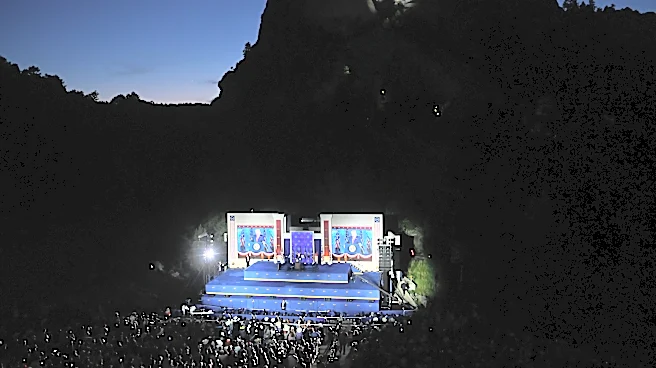
Major tournaments like the World Cup are more than just a series of games; they are city-wide festivals. Host cities go all out with free, family-friendly fan zones that often feature giant screens for match viewing, interactive games, live music, and food stalls. For the 2026 World Cup in the U.S., cities like Los Angeles, Seattle, and Philadelphia are planning massive fan celebrations with dedicated kids' areas, cultural performances, and even youth soccer clinics. These zones are often less chaotic than the stadium itself and provide a fantastic way to soak up the global atmosphere without a ticket.
Let the Kids Help Plan
To get kids invested, give them a voice in the itinerary. Handing them a guidebook is a recipe for glazed-over eyes. Instead, give them specific, fun choices. Frame it as a mission: “Our goal today is to find the best tacos in this neighborhood,” or “Let’s find a park where we can have our own mini-match.” Giving them ownership over small parts of the trip, like picking a restaurant or choosing a non-soccer activity for an afternoon, builds their excitement and ensures they’re not just being dragged along from one parent-planned event to the next.
Embrace the Art of Doing Nothing
Event travel can be exhausting, especially for children. The pressure to see and do everything is immense, but it's a fast track to burnout. One of the best things you can do is schedule downtime. Don't pack your itinerary from dawn to dusk. Leave entire afternoons open for spontaneous discoveries or just relaxing at your rental. This buffer allows for naps, impromptu trips for ice cream, or simply recovering from the sensory overload of a packed stadium. The unplanned moments are often the ones that become the most cherished memories.
Manage Match-Day Expectations
Game day is a marathon. Be realistic about what your kids can handle. Don’t spend a fortune on seats if there’s a good chance you’ll be spending half the match walking the concourse. Before you go, check the stadium’s rules on bags and what you can bring in—many venues now have strict policies. Pack smart with essentials like snacks (if allowed), portable phone chargers, and maybe a small, quiet activity for halftime. Most importantly, teach them the chants, get their faces painted, and fully immerse them in the joyous, collective energy of the crowd. That shared feeling is what they’ll remember long after they’ve forgotten the score.