

The Before Times: Print Deadlines and Roundtables
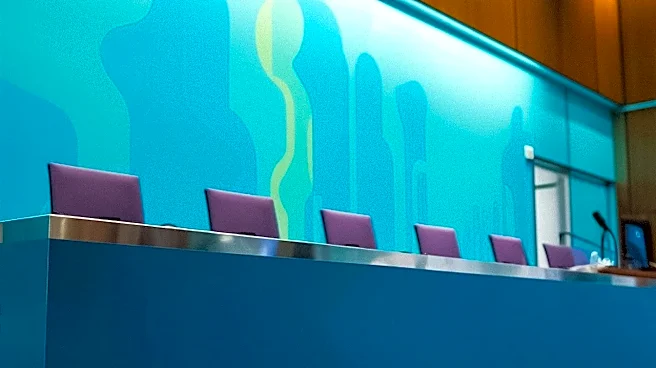
Picture it: San Diego, sometime in the late 1990s or early 2000s. The Comic-Con press room is an actual, physical room, likely filled with reporters from print magazines and major newspapers. Their currency is the exclusive, long-form interview. They
gather in quiet hotel conference rooms for roundtable discussions with actors and creators, their mini-cassette recorders whirring. The goal isn't to break news in the next 60 seconds; it's to gather enough color and detail for a feature that will run weeks or even months later. The pace was dictated by print deadlines, not algorithms. Coverage was a post-mortem, a thoughtful analysis of the convention's biggest moments, curated and delivered well after the exhibit hall doors had closed.
The Digital Disruption: Live-Blogging and the Tweet Heard 'Round the World
The mid-to-late 2000s changed everything. First came the bloggers, armed with laptops and a desire to deliver news faster than the monthly glossies. Then came Twitter. Suddenly, the hallowed Hall H wasn't just a room with 6,500 screaming fans; it was a global broadcast center. Every surprise guest, every trailer drop, every major announcement could be shared instantly. The incentive for journalists and studios alike began to pivot. The value of a live-tweeted photo from a panel began to compete with that of a well-researched article. The news cycle no longer reset every 24 hours; it was a constant, ravenous beast that needed to be fed, and Comic-Con was an all-you-can-eat buffet. The press room wasn't just a room anymore; it was anywhere with a Wi-Fi signal.
The Influencer Era: From Gatekeepers to Content Creators
If social media cracked the door open, the rise of the influencer blew it off its hinges. Studios realized they could bypass traditional media gatekeepers and speak directly to fans. Why give an exclusive to a magazine reporter hoping to reach a few hundred thousand readers when a YouTuber or TikTok creator could get a million views on a reaction video overnight? This led to a fundamental shift in access. While Comic-Con itself maintains strict press credentialing that often excludes social media-only creators, studios began running their own parallel media operations. They invited influencers to elaborate off-site activations and curated junket experiences, prioritizing creators with high engagement rates. The definition of "press" blurred, creating tension between traditional journalists and new-media stars who were often seen as being part of the marketing machine rather than objective observers.
The Modern Media Scrum
Today's Comic-Con press experience is a hybrid of all these eras, running at hyperspeed. The official press room still exists, but the real action is everywhere. It's in the frantic media pen at the front of Hall H, where photographers jostle for a clean shot. It's in the heavily managed, minute-by-minute junket interviews where talent delivers pre-packaged soundbites. And it's in the sprawling offsite brand activations, where influencers create content designed to go viral. For studios, the goal is no longer just coverage; it's about generating a global conversation and measurable online engagement. They don't just want you to read about the new trailer; they want you to see the reaction video, share the meme, and use the hashtag. The press room hasn't disappeared, but it has been decentralized, democratized, and permanently rewired for the age of the algorithm.