


More Than Just Movies
Forget the quiet, hallowed halls of traditional film festivals. While cinephiles can still find their fill of groundbreaking documentaries and future indie darlings, Tribeca has strategically broadened its definition of storytelling. The festival's slate
now reads like a pop-culture smorgasbord. You can catch the world premiere of a new season of a hit TV show, test out an unreleased video game in the immersive arcade, or listen to a conversation between a legendary director and a chart-topping musician. This deliberate expansion has been key to its success. By embracing television, podcasts, virtual reality, and gaming, Tribeca has lowered the barrier to entry. It’s no longer just for hardcore film buffs; it’s for anyone interested in what’s new and exciting in culture, making it an easy 'yes' for a weekend plan.
A Uniquely New York Campus
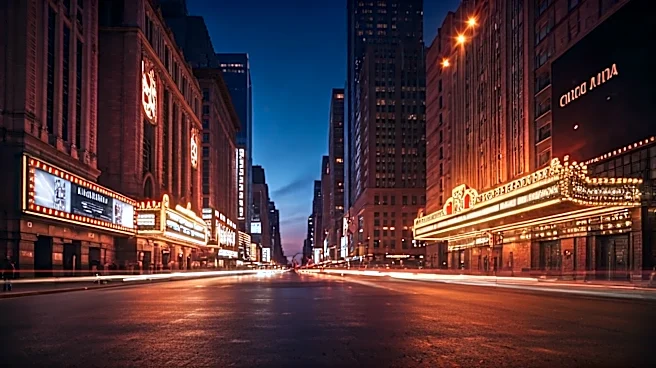
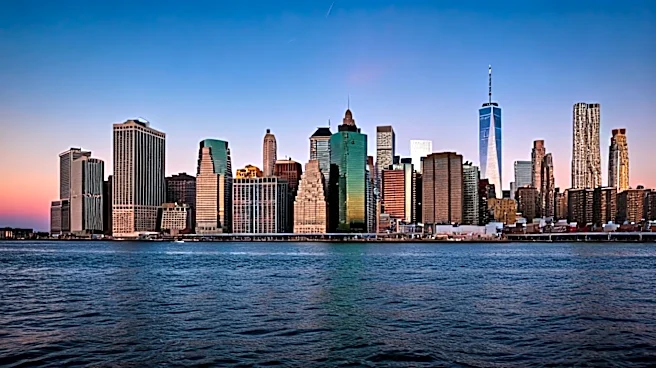
Unlike festivals that are sequestered in a single resort town or a sprawling convention center, Tribeca uses New York City itself as its campus. The festival’s heart beats in its namesake neighborhood, with the official Hub serving as a central nervous system for panels and industry events. But its tendrils stretch across lower Manhattan, from screenings at the Village East by Angelika to events at the SVA Theatre in Chelsea. This creates a distinct, walkable experience. Attendees aren't just shuttling between dark rooms; they are part of the city's fabric. A festival day might involve grabbing a coffee in the West Village, catching a matinee, debating the film over a slice of pizza, and then heading to a free outdoor screening at a waterfront park as the sun sets. This integration with the city’s rhythm is what turns attendance from a one-off event into a repeatable, enjoyable ritual.
From Recovery to Annual Rite
It’s impossible to talk about Tribeca without acknowledging its origins. Founded by Robert De Niro, Jane Rosenthal, and Craig Hatkoff in 2002, the festival was an act of cultural and economic defiance, designed to revitalize lower Manhattan after the 9/11 attacks. Its initial purpose was to bring people, creativity, and commerce back to a wounded neighborhood. But what began as a recovery project has matured into something else entirely. While that foundational spirit of community remains, the festival no longer feels like an obligation of civic duty. It has become a beloved fixture on the city’s cultural calendar, as anticipated as the first beach weekend or the start of Shakespeare in the Park. It has successfully made the transition from a moment of resilience to an annual rite of summer, a celebration not of what the city overcame, but of what it is now: a global hub for every form of storytelling.
The Power of the Mix
The true magic of the Tribeca ritual lies in its eclectic programming. It's a high-low cultural mix-tape come to life. One can start the day with a heavy-hitting political documentary, followed by a reunion screening of a beloved '90s comedy with the cast in attendance. Later, you might wander into a panel on the future of AI in filmmaking or catch a block of animated shorts. This variety ensures that no two festival experiences are the same. It encourages discovery, allowing attendees to build their own adventure. You might buy a ticket for a big premiere but stumble upon your new favorite filmmaker in a smaller, adjacent theater. This democratic, choose-your-own-path approach is what keeps New Yorkers coming back year after year. They aren't just consuming content; they are actively participating in a city-wide cultural conversation.