
The New Face of Imperfection
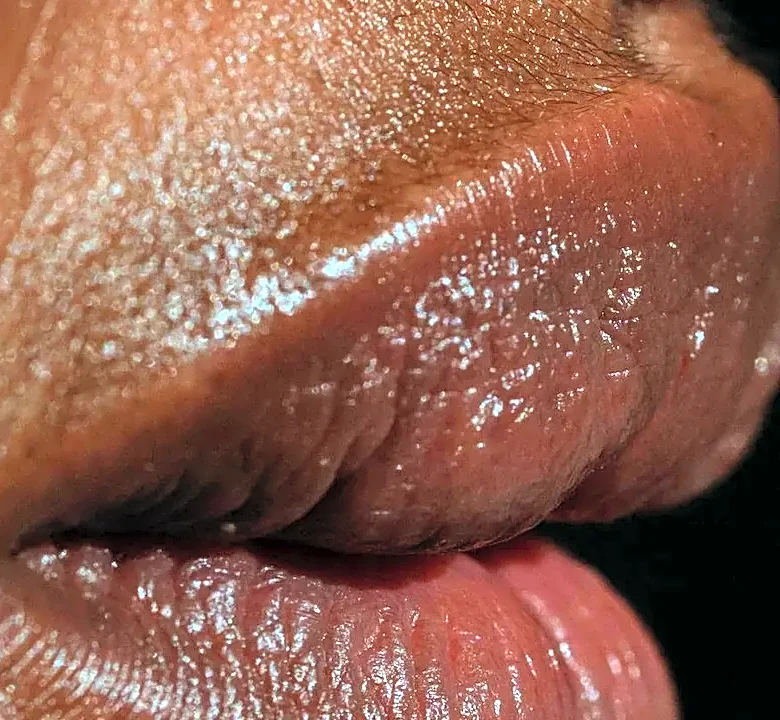
Recent fashion weeks have showcased a dramatic pivot from pristine to deliberately imperfect. Instead of hiding every flaw, makeup artists are embracing—and even creating—them. We’re seeing skin that looks raw and real, with freckles and texture welcomed.
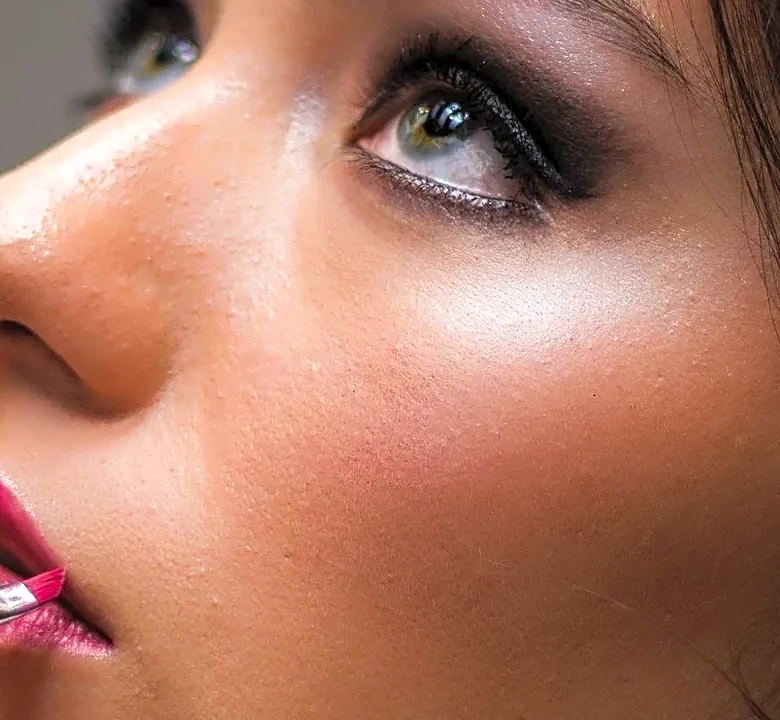
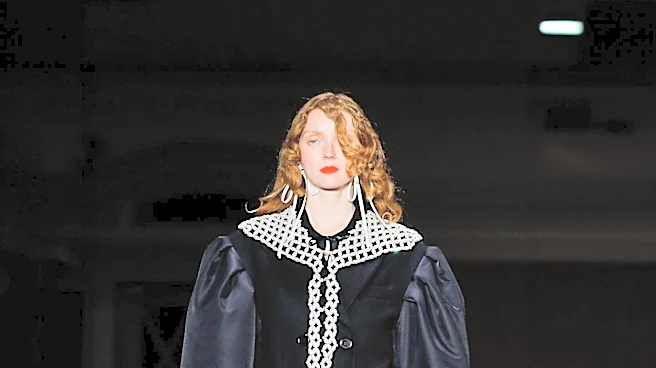
At some shows, makeup is smudged, liner is slightly undone, and under-eyes are less concealed, giving a 'lived-in' feel that suggests emotion and experience. This aesthetic moves away from heavy coverage, favoring instead expressive details like diffused, smoky eyeshadows and dramatic kohl liner that feels more emotional than polished. It’s a move toward what some call “undone” beauty, where the look is intentionally disheveled to create a feeling of nonchalance and authenticity. It’s not about looking unkempt, but about telling a story that feels more human and less manufactured.
A Pushback Against Digital Perfection
A huge driver of this trend is a growing fatigue with the hyper-polished, digitally altered beauty standards that dominate social media. The era of the poreless, flawless “clean girl” aesthetic and the stress of aspiring to an impossible ideal is leading to a desire for something more attainable and real. This shift to imperfect makeup can be seen as a direct rejection of the pressure to look perfect online. By sending models down the runway with makeup that looks slightly messed up or artfully chaotic, designers and makeup artists are making a powerful statement: beauty does not have to be synonymous with flawlessness. In a world saturated with AI-generated perfect images, fashion appears to be fighting back by celebrating the one thing a machine can't replicate: human imperfection.
Makeup as Mood and Performance
On the runway, makeup is more than just cosmetic; it's a critical part of the storytelling. When a designer’s collection has a certain mood—be it romantic, rebellious, or chaotic—the makeup is chosen to match. An artfully smudged lip or a shadowy, smoked-out eye isn't a mistake; it's a deliberate choice to evoke a character or feeling. For instance, some recent shows have featured theatrical looks like scarred prosthetics or faces made to look battered, pushing the boundaries of conventional beauty to create an almost alien appearance. This approach treats the face as a canvas for performance art, where the goal is to convey an emotion or narrative, not just to look pretty. It’s about creating a memorable, sometimes provocative, impression rather than adhering to classic rules.
Embracing Individuality and 'Human' Beauty
Ultimately, the move toward imperfect makeup is part of a larger cultural shift celebrating individuality and authenticity. As the definition of beauty expands to be more inclusive of different body types, skin tones, and features, the pressure to conform to a single, narrow ideal is fading. This trend encourages self-expression over uniformity. Makeup artists are focusing on enhancing a model's unique features rather than covering them up, using lighter foundations and allowing natural skin to be the focus. The message is that flaws are not something to be hidden but are part of what makes us human and interesting. This evolving standard suggests that true confidence comes from embracing your unique self, not from achieving an airbrushed version of perfection.