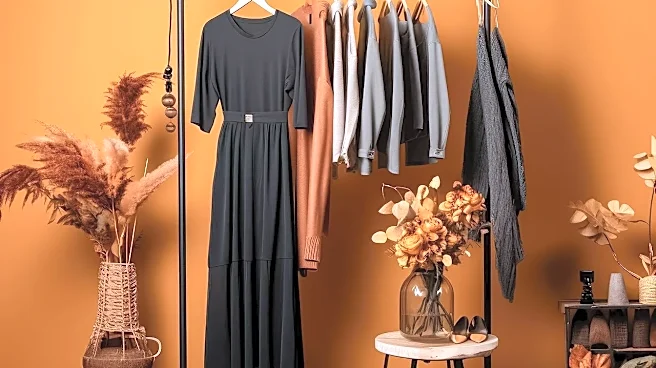




As the seasons change, the impulse to refresh your wardrobe can feel overwhelming. But what if the most effective update isn't buying new clothes, but rethinking how you wear the ones you already own? A new 'styling order' can unlock your closet.
Beyond the Seasonal Shopping Spree
Each
year, the shift in weather brings a familiar desire for something new. We're conditioned to believe a wardrobe refresh requires a shopping trip for the season’s latest coat, boots, or 'it' sweater. While a new piece can be exciting, this cycle often leaves us with more clothes but the same feeling of having nothing to wear. The problem isn't necessarily a lack of options, but a lack of new combinations. The most sustainable and creative closet update doesn't cost a thing; it simply asks you to change the structure of how you build an outfit. Instead of focusing on acquiring more, the secret is to change your process.
What Exactly Is a 'Styling Order'?
A 'styling order' refers to the sequence in which you choose and assemble the pieces of your outfit. Most of us have a default method: we pick a top and pants, then add shoes, and finally, grab a jacket and a bag on the way out the door. Reversing or shuffling this process is a simple but powerful way to force new pairings and see your clothes in a different light. It’s about making a conscious choice to lead with a different element, turning your style routine from an automatic habit into an intentional act of creation. It's less about what you wear and more about how you decide to wear it.
Principle 1: Start with Your Outer Layer
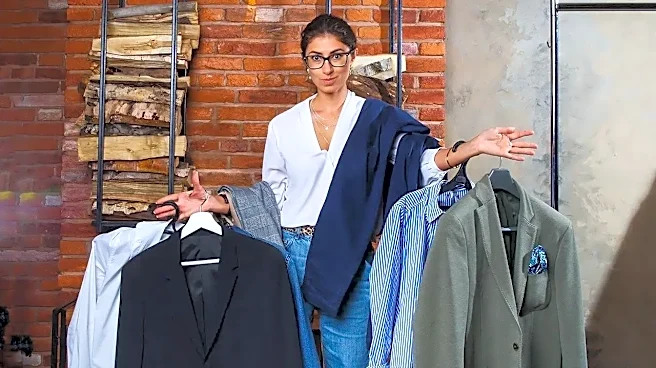
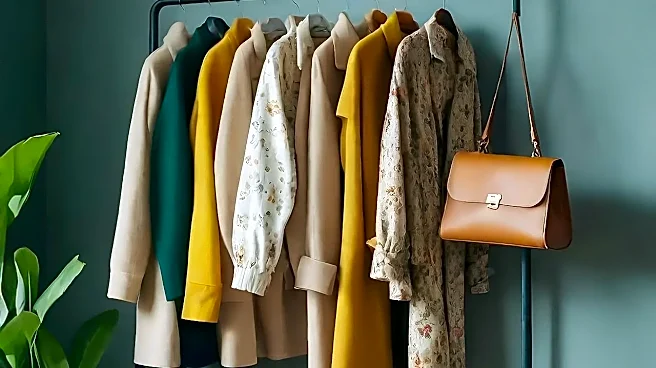
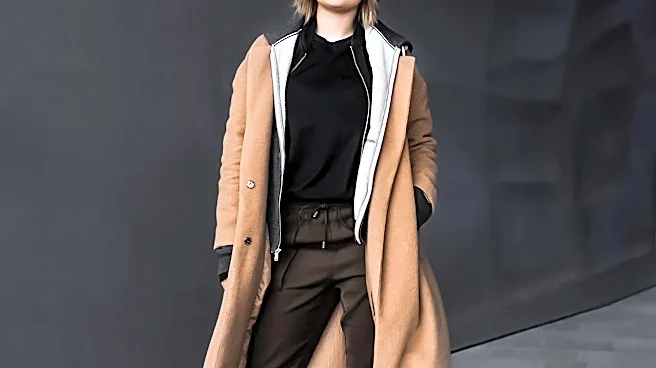
Instead of treating your coat or jacket as a final, practical afterthought, start with it. Choose the outerwear that the day’s weather demands—be it a trench coat, a leather jacket, or a structured blazer. Then, stand in front of your closet and build your outfit inward. Ask yourself: What works under this coat? A long trench might inspire a sleek column of color underneath, like a fitted turtleneck and trousers. A cropped denim jacket might work best with a dress you usually save for warmer weather. This method ensures your entire look is cohesive, not just the part that's visible indoors. It also encourages you to use your full range of outerwear, rather than grabbing the same jacket every day.
Principle 2: Let an Accessory Lead the Way
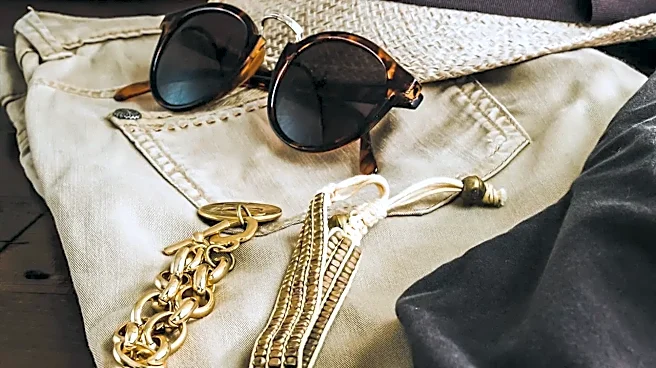
Accessories are often the last thing we add, a finishing touch to an already completed look. Try flipping that script. Begin by choosing a statement accessory—a colorful scarf, a sculptural belt, or a pair of boots you love. Then, build the entire outfit around that single piece. If you start with a pair of bold, lug-sole boots, you might be inspired to pair them with a soft, feminine dress to create an interesting contrast. A vintage silk scarf might lead you to pull colors for your sweater and pants that you hadn't thought to combine. This technique elevates accessories from decorative extras to the central anchor of your outfit, guaranteeing they feel intentional rather than random.
Principle 3: Rethink Your Base and Mid_Layers
The standard layering formula is thin_to_thick : a base layer, a mid_layer for insulation, and an outer layer for protection. While effective, disrupting this can lead to new silhouettes. Try using an unconventional base layer. For example, wear a crisp, button_down shirt under a sleeveless summer dress to carry it into the fall. Or, layer a fine_gauge turtleneck under a V_neck sweater or even a silky camisole. This not only adds warmth but creates textural and visual interest. By challenging the typical function of each garment—letting a dress become a 'jumper' or a shirt become a 'mock neck'—you effectively double the utility of pieces you already own.