



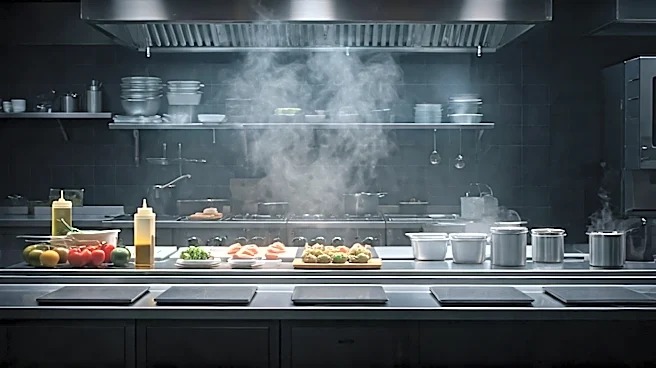


The Plates: A Canvas for Perfection and Pressure
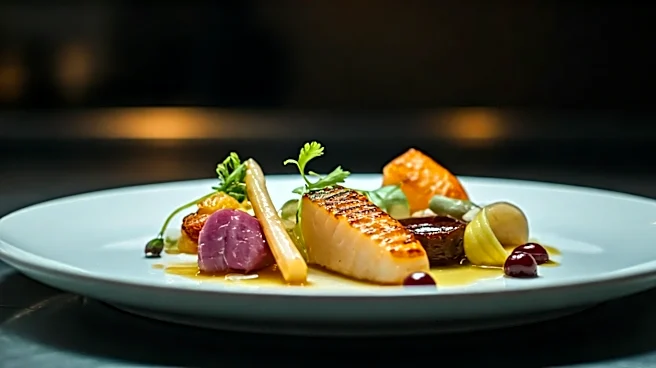
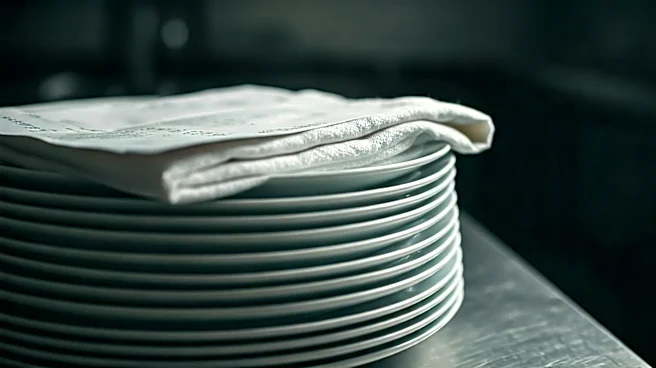
In the world of fine dining that Carmy Berzatto comes from, a plate is never just a plate; it’s the final canvas. ‘The Bear’ uses this to brilliant effect. In Season 1, the simple, durable plates of The Original Beef of Chicagoland represent function
over form, a history of serving the masses. But as Carmy and Sydney strive for something more, the plates change. The transition to delicate, pristine white porcelain in Season 2 signifies their Michelin-star aspirations. A plate isn’t just for holding food; it carries the weight of their ambition. Each dish, from Sydney’s carefully constructed Boursin omelette to Marcus’s intricate desserts, is framed by the plate, highlighting the artistry and precision they are desperately trying to achieve. The show's creators intentionally used a muted color palette for the restaurant itself so the food, and the plates they sit on, would be the undeniable star. When a dish is sent back or a plate is flawed, it’s a direct blow to their sense of worth, making these ceramic objects potent symbols of success and failure.
The Tickets: The Sound of Chaos
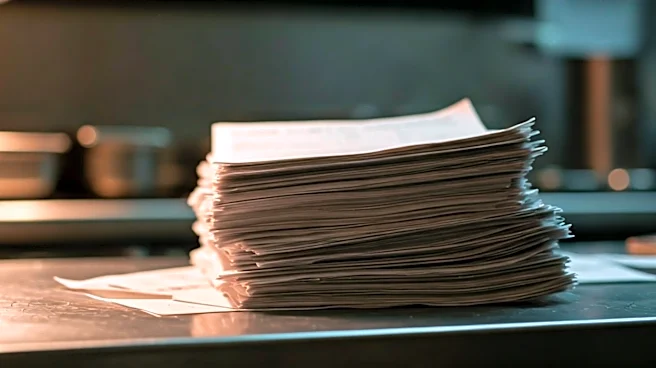
If the kitchen has a heartbeat, it’s the relentless, anxiety-inducing chatter of the ticket machine. Few objects in ‘The Bear’ generate as much visceral stress. The sound team has even said they intentionally layered the printer's noise to amplify the chaos, making it a character in itself. For the chefs, each ticket is a demand, a promise, and a ticking clock. The now-infamous one-shot episode, "Review," uses the overwhelming flood of tickets from a pre-ordering mishap to physically manifest Sydney's spiraling anxiety, turning pieces of paper into an avalanche of pressure. In the Season 2 finale, as the team struggles through their first service, the incessant printing of order tickets underscores every rising tension and misstep. It’s not just about orders; it’s the sound of mounting expectations and the razor-thin margin between control and catastrophe. The way characters react to the machine—Carmy’s explosive rage when he smashes it versus Richie’s eventual command over the flow of orders—charts their entire emotional journey.
The Towels: A Uniform of Utility and Status
Look closely in any kitchen, and you’ll see towels everywhere—draped over shoulders, tucked into aprons, wiping down surfaces. ‘The Bear’ turns this ubiquitous tool into a subtle marker of character and professionalism. For a chef, a neatly folded towel is part of the uniform, a sign of readiness and discipline. In the early days of The Beef, towels are stained, discarded, and utilitarian. As Carmy introduces the formal French brigade system, the way towels are handled changes. They become a part of the ritual, a sign of respect for the craft. A clean towel is used to get a perfect sear, to wipe the rim of a plate, or to handle a hot pan with practiced efficiency. The show's prop master, Laura Roeper, worked to ensure every item the actors touched felt authentic to real chefs, and the ever-present towel is a key part of that reality. It’s a simple prop, but it speaks volumes about a character’s mindset: a chef with a clean, ready towel is a chef who is in control.