
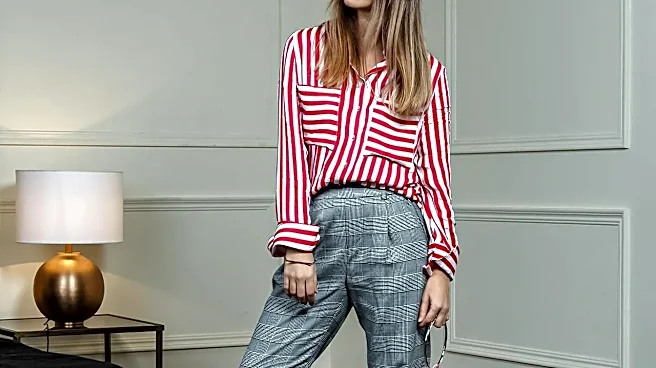
The Hidden Culprit: Your Pocket Bags
The source of that frustrating bulge is almost always the 'pocket bag'—the fabric pouch sewn inside your trousers that forms the pocket itself. While essential for function, its construction can be the enemy of a smooth silhouette. The problem isn't the existence
of pockets, but how they are made. The material of the bag might be too thick, its shape too large, or its internal seams too bulky. When you wear trousers made of a lightweight material, there is simply not enough structure in the main fabric to conceal what’s going on underneath, causing the outline of the pocket bag to show through.
Why Lightweight Fabrics Are a Challenge
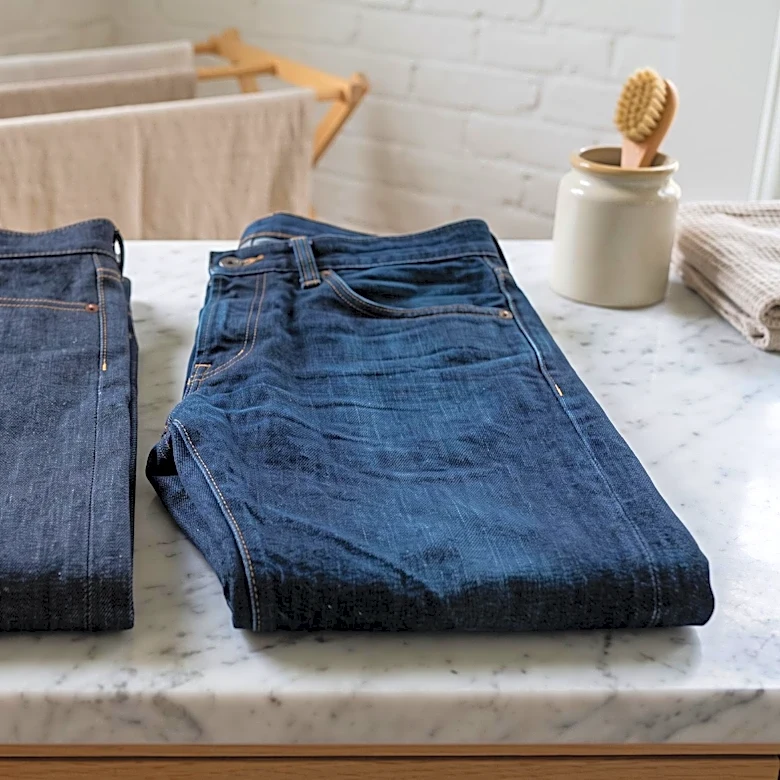
Heavier fabrics like denim, corduroy, or thick wool have enough weight and structure to hide the pocket bags and their contents. A smooth, crisp line is easy to maintain. But lightweight trousers—think linen, Tencel, silk, or fine cotton—have a soft, fluid drape. This quality is what makes them so comfortable and elegant, but it’s also what makes them unforgiving. These fabrics will cling and reveal every layer underneath, including the pocket bags. If the pocket bag material is a standard, sturdy cotton drill, it will almost certainly create a visible rectangle against the softer, lighter shell fabric, resulting in that lumpy look.
Pocket Styles and Their Risks
Not all pockets are created equal when it comes to causing lumpiness. On-seam pockets, which are set directly into the side seam of the trousers, are often the biggest offenders; they can gape open if the fit isn't perfect around the hips, pulling the pocket bag forward. Slanted or 'slash' pockets, which are cut on a diagonal from the waistband to the side seam, are also common culprits, especially if the trousers are tight across the hips. The pull on the fabric can cause the pocket opening to flare and the bag to become visible. In contrast, welt pockets, which appear as a discreet slit, are often a cleaner choice for formal trousers as they tend to lie flatter.
The At-Home Fix: Pocket Discipline
The most immediate solution is also the simplest: stop using your front pockets. Storing a phone, keys, or a bulky wallet will stretch the fabric and create obvious bulges. For a quick, temporary fix for gaping pockets, a small piece of double-sided fashion tape placed at the edge can work wonders. Some people also opt for a more permanent, though still DIY, solution by using iron-on hem tape to seal the pocket shut from the inside, ensuring it always lies flat. This, of course, renders the pocket unusable but guarantees a smooth line.
Smart Shopping: What to Look For
The best way to avoid the problem is to be a smarter shopper. When trying on lightweight trousers, pay close attention to the hip area. Move around, sit down, and see if the pockets pull or gape. Look for trousers where the pocket bags are made of a very thin, lightweight material, like a fine poly-blend or a mesh lining. Some high-end trousers feature this detail specifically to prevent lumpiness. Another option is to seek out styles with faux front pockets or discreet welt pockets that are less prone to bulging. Check the interior construction before you buy—it’s a small detail that makes a huge difference.
When to Call a Tailor: The Pro Solution
If you own a pair of trousers you love but hate the pocket situation, a good tailor offers the ultimate fix. For a reasonable price, a tailor can perform a few different kinds of 'pocket surgery'. They can sew the pockets shut for the cleanest possible look. They can also remove the existing bulky pocket bags and replace them with a much thinner, lighter fabric that won't show through. In some cases, they can even alter the size and shape of the pocket bag itself, trimming away excess material to create a more streamlined fit without sacrificing function completely. This is often the best long-term solution for rescuing an otherwise perfect pair of pants.