





More Than Just the First Shift
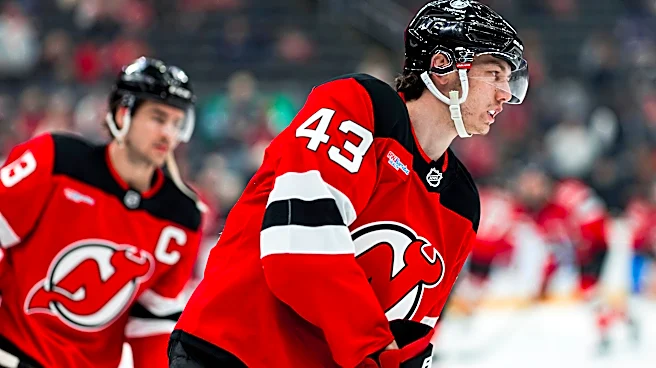
In the NHL, the starting line is a statement. It’s the group a coach sends out to set the tone, maybe match up against the opponent’s top players, and play a 45-second shift before giving way to the next line. By the end of the first period, you’ve likely
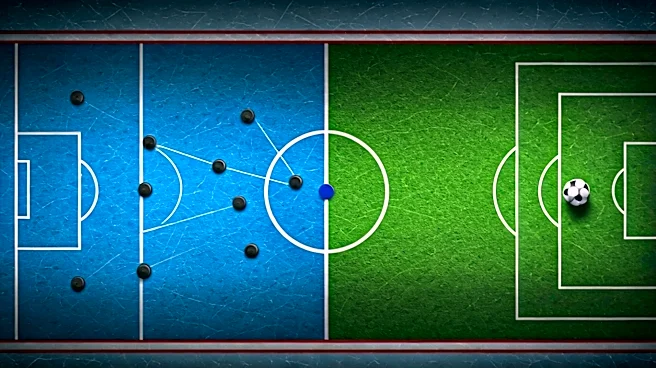
seen all four forward lines and three defensive pairings. The starters are important, but they’re just the opening act in a constantly rotating cast. The 'Starting XI' in soccer is the entire show. The eleven players (X is the Roman numeral for 10, plus one) named to start a match are the manager’s single biggest strategic decision. These aren't just the first-shifters; they are the players the manager is betting on to play the vast majority of the 90-plus minutes. Seeing a starting player subbed out before halftime is a sign of either a catastrophic injury or a monumental tactical failure. In hockey, it's just called a line change.
The Chasm of Substitutions
This is the single biggest difference and the rule that dictates everything else. Hockey has a revolving door. Players hop on and off the ice on the fly, catching their breath before going back out. A team dresses around 18 skaters, and a coach’s job is to manage their energy and matchups for 60 minutes. It’s a game of constant, fluid personnel management.
Soccer, on the other hand, has a one-way exit. In most major competitions, a manager is allowed only five substitutions for the entire match. Once a player is taken off, they cannot return. Think about that from a hockey perspective: you get five line changes for the whole game, and once a guy sits, he’s done for the night. This scarcity transforms every substitution from a routine rotation into a high-stakes tactical decision. Do you bring on a fresh attacker to chase a goal, or a defensive midfielder to protect a lead? You can’t do both, and you can’t undo your choice.
The Manager's Bet vs. The Coach's Flow
Because of the substitution rules, the strategic roles of a soccer manager and a hockey coach are fundamentally different. A soccer manager’s most critical work is done before the opening whistle. Choosing the Starting XI—the specific players and the formation (like a 4-4-2 or 4-3-3)—is a massive gamble on how the next 90 minutes will unfold. They are making a single, holistic bet on a group of players to execute a game plan with very little room for error or adjustment.
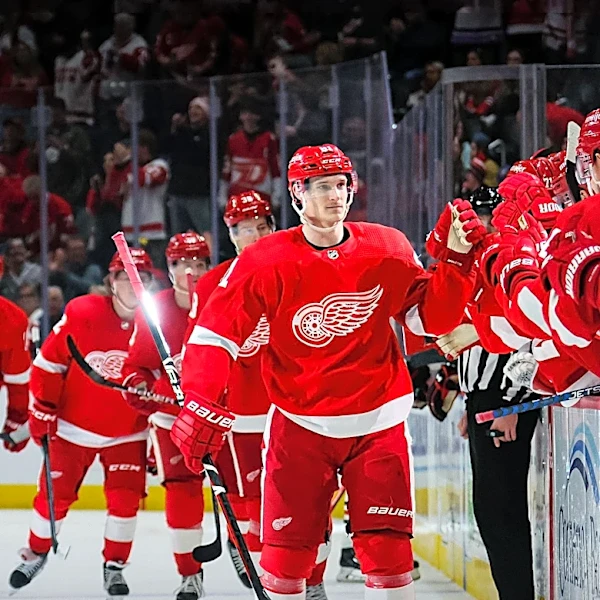
A hockey coach, by contrast, is a master of in-game flow. Their genius lies in reacting to the rhythm of the game. They are constantly 'rolling the lines,' matching their forwards against the opponent’s defense, deciding whether to lean on their top scorers or give the fourth line an energy shift. The bench is a deep and active part of their toolkit. For a soccer manager, the bench is an emergency brake they can only pull a few times.
Endurance Engines vs. Explosive Bursts
The physical demands naturally reflect these structural differences. Soccer players in the Starting XI are elite endurance athletes. They are conditioned to cover miles of ground over 90 minutes, mixing jogging with high-intensity sprints. Their gas tank has to last the whole match. A player who can't go the distance is a liability because replacing them costs one of your precious few subs.
Hockey players are specialists in explosive, anaerobic bursts. Their entire physiology is tuned for maximum effort in 30- to 60-second shifts, followed by a few minutes of recovery. This is why a hockey team functions as a unit of four distinct forward lines that share the workload. No single line is expected to carry the burden for long. In soccer, the Starting XI *is* the burden-carrier.