







High Tech, Low Life
Cyberpunk is best defined by its unofficial motto: 'High Tech, Low Life'. It’s a vision of the future where incredible technological leaps—sentient AI, cybernetic body modifications, sprawling digital worlds—are juxtaposed with social decay, corporate
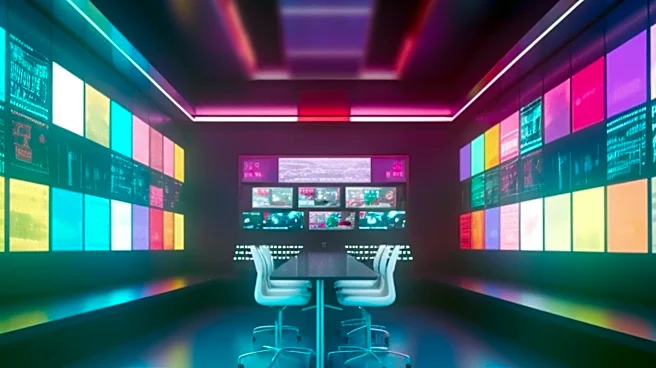
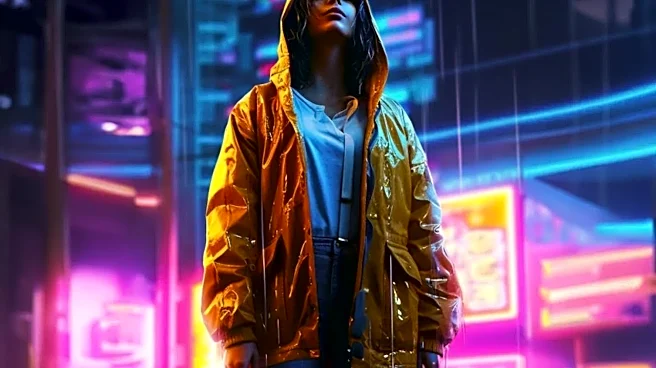
tyranny, and rampant inequality. Aesthetically, it’s a collage of contradictions: gleaming skyscrapers casting long shadows over grimy back alleys, brilliant neon signs cutting through perpetual night and rain, and humans who are more connected than ever yet profoundly isolated. It’s a future that is technologically advanced but not socially evolved. This isn't just about cool visuals; it’s a narrative framework where marginalized anti-heroes use technology to rebel against the oppressive systems that created it.
A Future Born From Yesterday's Fears
The original wave of cyberpunk crested in the 1980s, and it wasn't by accident. Writers like William Gibson ('Neuromancer') and filmmakers like Ridley Scott ('Blade Runner') were tapping into the anxieties of their time. The Cold War was thawing, but fears of corporate power, globalization, and environmental collapse were on the rise. Early personal computers were entering homes, hinting at a new digital frontier that was as exciting as it was unnerving. Cyberpunk gave a face to these worries, imagining a world where Japanese megacorporations became the new superpowers and the line between human and machine began to blur. It was a direct response to the sense that technology was advancing faster than our ability to control its consequences.
The New Anxiety Loop
Flash forward to today, and the reasons for cyberpunk's resurgence are all around us. The anxieties have just been upgraded. We’re grappling with AI that can create art, write code, and threaten jobs, creating a pervasive sense of dread for many. We live with total surveillance in our pockets, where corporations track our data and algorithms shape our reality. The promise of a 'metaverse' offers a digital escape that feels dangerously close to the simulated worlds cyberpunk always warned us about. It’s no surprise that this era has seen a massive revival of the genre, most notably with the blockbuster game 'Cyberpunk 2077', whose redemption arc and expansions have kept it culturally relevant for years. The game, alongside shows and fashion trends, provides a space to process our very real fears about a future dictated by code we don't understand and ruled by forces we can't see.
More Than Just a Rainy Vibe
It’s easy to dismiss cyberpunk as just a cool retro-futuristic aesthetic, but its endurance suggests something deeper. When technology feels overwhelming and our autonomy feels threatened, cyberpunk offers a strange kind of comfort. It’s not an optimistic genre, but it is one that believes in resistance. Its heroes are rarely idealistic saviors; they are survivors, hackers, and outcasts using the master's tools to dismantle his house, or at least carve out a space to live within it. Adopting the style—whether through gaming, fashion, or media consumption—is a way of aligning with the rebel, not the machine. It’s a cultural pressure valve, allowing us to roleplay defiance in a world where we often feel powerless against the relentless march of technological progress.