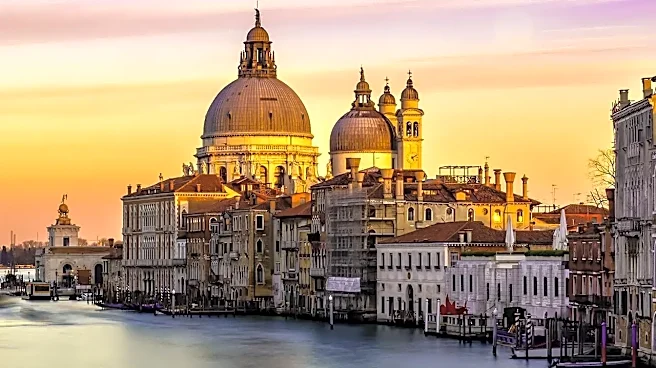




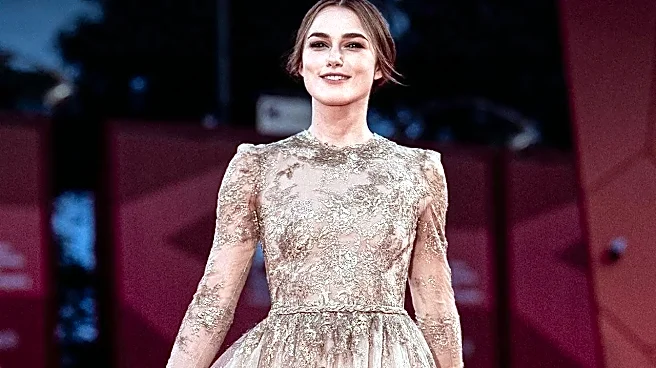
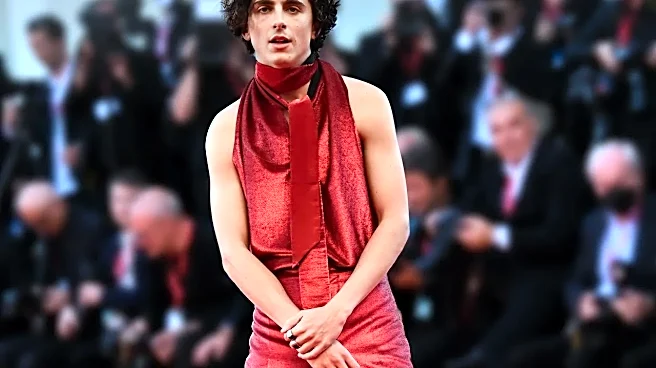
The Spectacle on the Lagoon
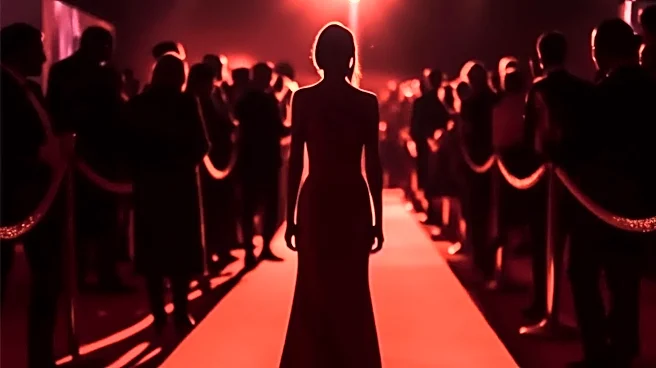
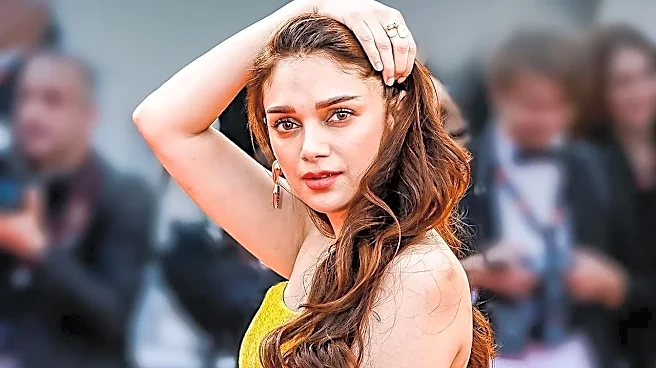
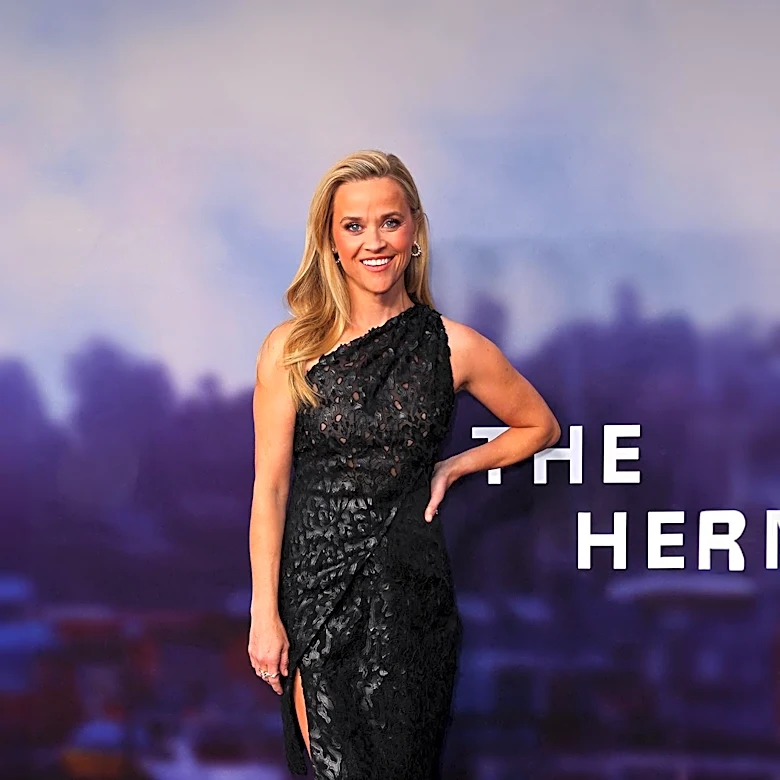
The 83rd edition of the world's oldest film festival has kicked off with the requisite explosion of glamour. George and Amal Clooney made their signature stylish arrival by boat, with George set to receive a Golden Lion for Lifetime Achievement. They
are joined by a constellation of stars including Penélope Cruz, Javier Bardem, Robert Pattinson, and the sisters Rooney and Kate Mara. Brands like Armani Beauty are flying in ambassadors like Sydney Sweeney and Jonathan Bailey, underscoring the festival's role as a global stage for luxury and fashion. From Amal Clooney's Tom Ford ensemble to jury president Maggie Gyllenhaal's chic Celine, the message from the Lido is one of unapologetic, high-wattage elegance. It’s a visual feast that reinforces Venice's reputation as a more relaxed, yet equally dramatic, counterpart to Cannes.
Inside the Darkened Theater
Once the red carpet is cleared, the tone shifts dramatically. The films generating the most buzz are anything but glamorous. Danny Boyle’s opening night film, "Ink," delves into the controversial rise of Rupert Murdoch's media empire, starring Guy Pearce as the magnate. Martin McDonagh's "Wild Horse Nine" is a two-hander set just before the 1973 Chilean coup. Robert Pattinson stars in "Primetime," a narrative film about the controversial TV show "To Catch a Predator." Florian Zeller’s "Bunker" is a thriller about a man building a survivalist shelter for a tech billionaire. Other films tackle themes of war, political strife, and social decay, from a documentary about Elon Musk to a Kurdish sniper's story in "No Paradise If You Are Killed by a Woman." This is heavy, challenging material that stands in stark contrast to the breezy opulence of the festival itself.
The Star as Trojan Horse
So, what explains this seeming contradiction? The paradox is, in fact, the point. In today's fractured media landscape, serious, adult-oriented cinema needs a powerful engine to cut through the noise, and that engine is star power. A-listers like Robert Pattinson and Penélope Cruz are increasingly using their celebrity to shepherd complex, often difficult projects into the spotlight. Their presence on the red carpet generates the clicks, the magazine covers, and the social media buzz that a film about a 16th-century friar ("God Laughs") or a four-hour documentary on Elon Musk ("Musk") could never achieve on its own. The glamour is not an alternative to the serious cinema; it is the delivery system for it. An actor's willingness to play the fame game for a few days on the Lido can mean the difference between a challenging film finding an audience or disappearing without a trace.
A Festival's Winning Formula
Venice has refined this formula to perfection, cementing its status as a critical launchpad for the Academy Awards. By juxtaposing the highest forms of cinematic art with the most dazzling displays of celebrity culture, the festival creates an irresistible narrative. It generates prestige for the stars, who get to align themselves with auteur directors like Werner Herzog and Lee Chang-dong. It provides the film industry with a necessary dose of gravitas and glamour. And it gives audiences a reason to pay attention to films that might otherwise be considered too niche or too demanding. The festival understands that to sell a story about the human condition, you might first need to show them a movie star in a breathtaking gown stepping out of a water taxi.