


The Age of Streetwear Hype
For the last decade, Balenciaga has dominated the cultural conversation through a very specific lens: luxury streetwear. Under the direction of Demna Gvasalia, who took the helm in 2015, the brand became synonymous with a kind of ironic, anti-fashion
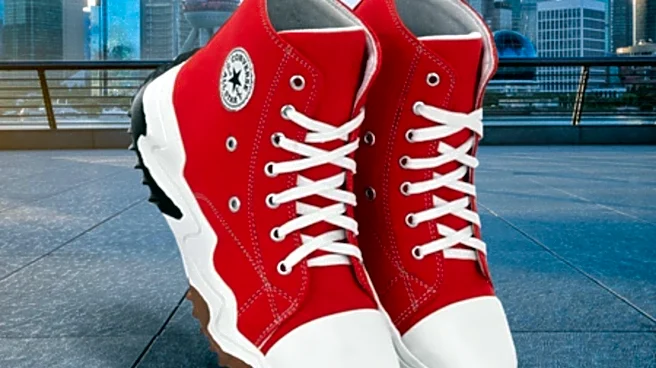
posture. Chunky, orthopedic-chic sneakers, defiantly plain hoodies, and meme-worthy accessories became instant sell-outs, turning the historic house into a Gen Z favorite and a social media juggernaut. This era defined Balenciaga for a new generation, positioning it as the ultimate purveyor of logos and exaggerated, street-inspired silhouettes. While commercially successful, this perception flattens a legacy built on something far more radical and enduring: the reinvention of the female form itself.
The Architect of Form
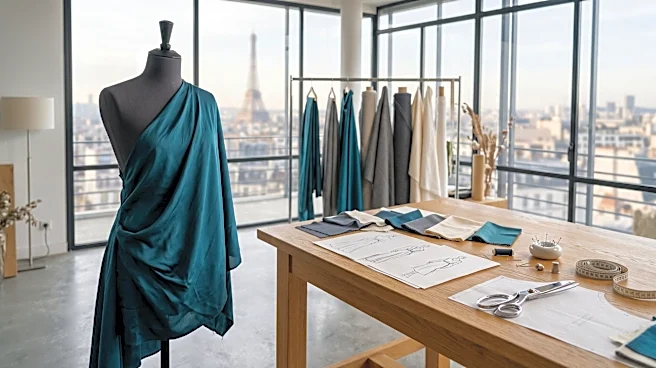
Long before the hype, there was Cristóbal Balenciaga, a Spanish couturier so revered that Christian Dior called him "the master of us all." Opening his Paris house in 1937, Balenciaga was less a designer and more an architect of fabric. Unlike his contemporaries who sketched first, he started with the material, draping and cutting with a technical mastery that was unparalleled. While Dior was cinching waists with his popular "New Look," Balenciaga was liberating the body. He introduced revolutionary silhouettes like the semi-fitted tunic, the balloon jacket, and, most shockingly, the sack dress in 1957—a garment that completely ignored the natural waistline. These creations were sculptural, abstract, and utterly modern, prioritizing shape and volume over conventional hourglass figures. This was the true DNA of the house: a relentless push for new forms.
The Archival Revival
After Cristóbal Balenciaga closed his house in 1968, the brand lay dormant until its revival in the late 1990s. The designer who truly brought it back to critical acclaim was Nicolas Ghesquière, appointed in 1997. Ghesquière delved into the archives not to copy, but to channel the founder's futuristic spirit. He translated Cristóbal's sculptural volumes and sharp tailoring into a new, edgy context that resonated with the turn of the millennium. His collections were critically lauded for their innovative use of materials and a sharp, often architectural, aesthetic that felt both intellectual and intensely desirable. Ghesquière proved that the Balenciaga archive wasn't a museum piece; it was a living source code for the future of fashion, re-establishing the house as a critical darling long before the streetwear boom.
Demna's Radical Return to Roots
It’s the great paradox of Demna Gvasalia's tenure. While he drove the streetwear phenomenon to its peak, he also initiated the most profound tribute to the brand's origins. In 2021, after a 53-year absence, Demna resurrected Balenciaga's haute couture collection. Staged in the restored original salons at 10 Avenue George V, the collections were a stunning display of reverence for Cristóbal's techniques. Working in complete silence, models showcased garments that were direct conversations with the archive: dramatic, voluminous coats, impeccably tailored suits, and modern interpretations of iconic shapes, crafted with astonishing precision. He even re-engineered Gazar, a stiff silk invented for Cristóbal, for the 21st century. This move wasn't just a brand extension; it was a statement. The man who made the Triple S a global phenomenon was also the one reminding the world that Balenciaga's soul lies in the art of couture.