









From Concrete Bowls to Icons of Design
For decades, the great American stadium was a monument to function. Think of the multipurpose concrete “bowls” of the 20th century: colossal, often Brutalist structures built to pack in tens of thousands of fans with little thought given to elegance or experience.
They were intentionally generic, designed to host everything from football to baseball to tractor pulls. While many hold a certain nostalgic charm, their primary purpose was utility. The new generation of stadiums, many of which will take center stage in 2026, operates on a completely different philosophy. Architects and team owners are no longer just building a place to watch a game; they're creating civic landmarks and entertainment destinations. The goal is to craft a space that feels special from the moment you approach it, a building that becomes as much a part of the memory as the event itself.
The 'Cathedral' Design Philosophy
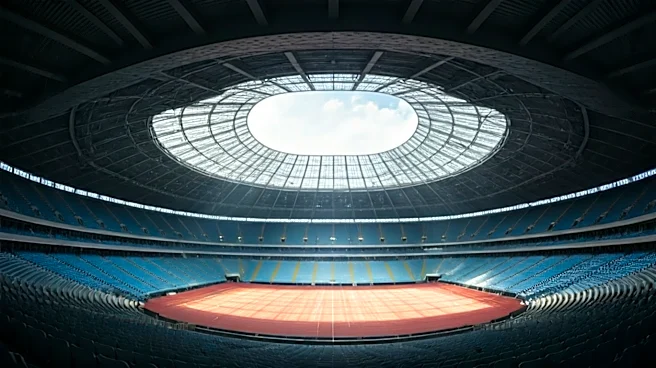
So, what makes a stadium feel like a cathedral? It’s a combination of architectural elements that prioritize emotion and experience. One of the most significant is the use of light. Instead of enclosed, artificially lit domes, modern venues like SoFi Stadium in Los Angeles and Mercedes-Benz Stadium in Atlanta use massive, translucent roofs made of materials like ETFE. This lightweight, durable polymer allows natural light to flood the interior, creating an open, airy feel that connects fans to the outside world. Mercedes-Benz Stadium took this inspiration directly from the Pantheon in Rome, with a stunning retractable roof that opens and closes like a camera’s aperture. This focus on a central, dramatic focal point—whether a unique roof or a massive video board—mimics the way a cathedral directs your gaze toward an altar or a rose window, creating a sense of shared focus and reverence.
Where Light, Views, and Sport Collide
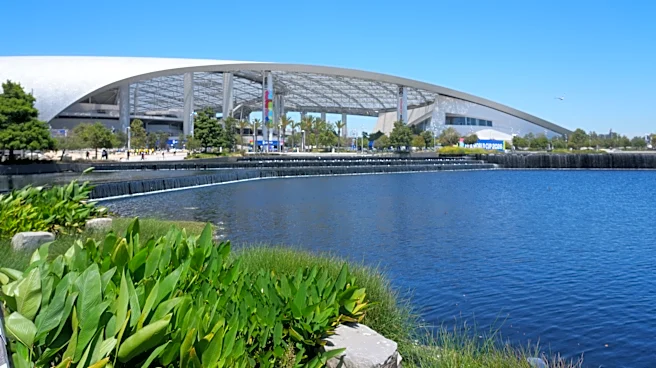
Several 2026 World Cup venues exemplify this trend. SoFi Stadium, designed by HKS, is perhaps the ultimate example. Its sweeping, aerodynamic canopy covers not only the field but also a sprawling pedestrian plaza, blurring the line between inside and outside. The entire seating bowl is sunk 100 feet below ground, which means fans descend into the space through landscaped, canyon-like paths, adding to the sense of procession and arrival. Inside, the first-of-its-kind, 360-degree Infinity Screen ensures a theatrical, immersive experience for every seat. Similarly, Atlanta’s Mercedes-Benz Stadium features a 16-story “window to the city,” offering panoramic views of the downtown skyline and reinforcing the connection between the venue and its urban environment. These aren't just buildings; they're carefully choreographed experiences designed to inspire awe.
More Than Just a Gameday Destination
This architectural evolution isn’t just about aesthetics; it’s driven by powerful commercial and cultural forces. To justify their multi-billion-dollar price tags, modern stadiums must operate year-round. They are designed as flexible, multi-use entertainment hubs that can host concerts, corporate events, and even other major sporting championships like the Super Bowl and Olympics. Furthermore, in an age where high-definition home viewing offers a compelling alternative, stadiums must provide an experience that can’t be replicated on a couch. By creating beautiful, comfortable, and technologically advanced environments with unique social spaces, premium amenities, and a palpable sense of occasion, these new “cathedrals” of sport give fans a powerful reason to come together and share in a live, collective experience.