

1. The 12-Year Wartime Hiatus
Imagine the NBA or NFL disappearing for over a decade. That’s what happened to the World Cup. After Italy lifted its second consecutive trophy in 1938, the tournament vanished. World War II not only made international travel and competition impossible
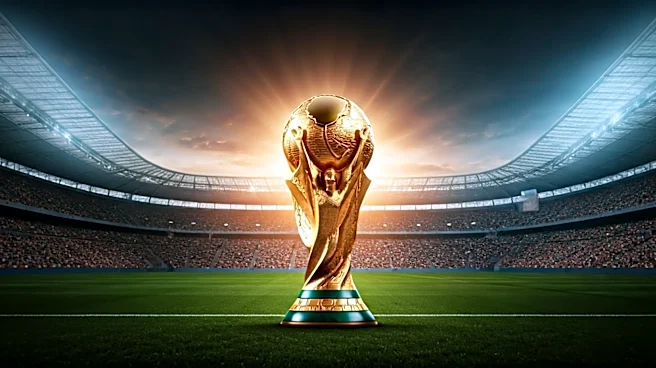
but also put the Jules Rimet Trophy itself in peril. Ottorino Barassi, an Italian FIFA official, famously hid the trophy in a shoebox under his bed to keep it safe from occupying forces. The World Cup didn't return until 1950 in Brazil. This 12-year gap is the single biggest interruption in the event's history, a stark reminder of a world in turmoil. It separates the tournament’s pioneering era from its post-war rebirth, creating two distinct historical periods and cementing the World Cup’s place as more than just a game, but a barometer of global stability.
2. The 'Disgrace of Gijón' Rule Change
This isn't about a years-long shift, but a single, scandalous match in 1982 that permanently changed the tournament schedule. In the final group stage game, West Germany and Austria knew that a 1-0 German win would see both teams advance at the expense of Algeria, who had already played their final match. After West Germany scored in the 10th minute, the two teams spent the next 80 minutes kicking the ball around aimlessly with no intention of scoring, securing their mutually beneficial result in a blatant display of non-competition. The outrage was so immense that FIFA instituted a new rule: moving forward, the final two games in every group must be played simultaneously. This prevents teams from knowing the exact result they need to advance, ensuring a dramatic, high-stakes final matchday and eliminating the chance for another choreographed 'disgrace.'
3. The Modern Era: Expanding to 32 Teams
For a generation of fans, the 32-team World Cup is the only one they've ever known. But this format only began in 1998. Before that, the tournament featured 24 teams (from 1982-1994) and 16 teams for decades prior. The jump to 32 was a monumental shift. It opened the door for more nations from Africa, Asia, and North America to participate, transforming the tournament into a more truly global event. This expansion created the iconic eight-group, round-robin format we're familiar with, where the top two from each group advance to a 16-team knockout bracket. This structure defined the World Cup for seven editions, from France '98 to Qatar '22, creating a perfect blend of group stage diversity and high-stakes knockout drama that many consider the tournament's golden format.
4. The Controversial Qatar Winter Switch
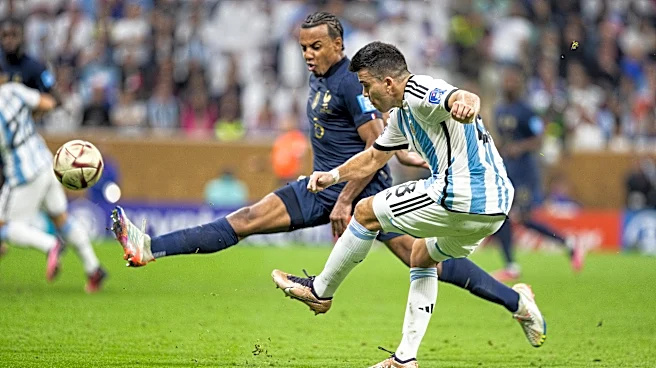
Every World Cup from 1930 to 2018 was a summer event, perfectly timed for the end of the European club season. That changed dramatically with the 2022 tournament in Qatar. Due to the host nation's extreme summer heat, which can exceed 110°F, FIFA made the unprecedented decision to move the entire tournament to November and December. This shift caused massive disruption, forcing major domestic leagues across the globe to pause their seasons mid-stream. It was a logistical and scheduling nightmare that drew criticism from clubs, players, and fans alike. While it delivered a spectacular final, the one-off winter schedule highlighted the immense power of FIFA to alter the entire landscape of global soccer and raised endless debates about the factors that go into choosing a host nation.
5. The Next Chapter: The 48-Team Mega-Tournament
If you're a new fan, get ready, because the World Cup is about to change again. Starting in 2026, with the tournament co-hosted by the USA, Canada, and Mexico, the field will expand from 32 teams to 48. This is the biggest structural shift in a generation. The new format will feature 12 groups of four teams, with the top two from each group advancing alongside the eight best third-place teams. This creates a new Round of 32, adding an entire extra knockout stage and increasing the total number of games from 64 to a whopping 104. The goal is to give more countries a chance to qualify, but it also raises questions about potential mismatches, tournament length, and whether the elite quality of the event will be diluted. For better or worse, this is the future of the World Cup.