




The Strategic Side Cut-Out
The most common and effective use of negative space is the side cut-out, particularly in one-piece swimsuits. For years, the monokini has been the primary vehicle for this trend, but modern interpretations are more sophisticated. Instead of just removing
a panel of fabric, designers are creating carefully sculpted voids that enhance the body’s natural curves. A high-placed oval cut-out can create the illusion of a longer torso, while sharp, geometric slices along the ribcage add an architectural, edgy feel. At recent Miami shows, we’ve seen designers use these cut-outs not just for exposure, but to guide the eye, creating a visual waistline even on a straight silhouette. It's a calculated trick of subtraction that adds immense visual impact, turning a simple one-piece into a statement.
The Power of Asymmetry
Our brains are wired to find symmetry pleasing, which is exactly why asymmetry is such a powerful design tool. By disrupting expectations, it forces you to look closer. In swimwear, this often materializes as the one-shoulder silhouette. But designers are pushing it further. Think a single, slender strap contrasted with a full-coverage side, or a swimsuit with a cut-out on only one hip. This intentional imbalance creates a dynamic sense of movement and modernity. It’s less about overt sexiness and more about a cool, artistic confidence. The negative space created by a missing strap or an off-center keyhole draws attention to the collarbone and shoulders, areas that carry a subtle elegance. It’s a masterclass in using empty space to frame the body in a new and unexpected way.
The Illusion of Sheer Paneling
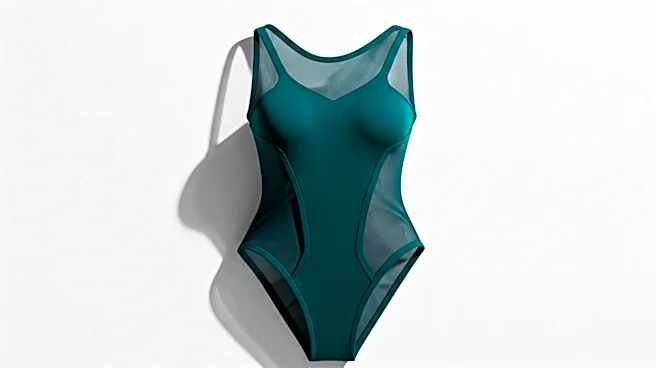
Sometimes, negative space isn't completely empty. Designers are increasingly using sheer mesh and illusion fabrics to hint at what lies beneath without full exposure. This technique offers the visual effect of a cut-out with the structure and support of a full-coverage suit. Imagine a classic black one-piece with sheer panels running down the sides, contouring the body like a corset. Or a high-waisted bikini bottom with a nude mesh insert at the hip. This approach plays with perception, creating depth and intrigue. It allows for more daring and intricate patterns of negative space that would be structurally impossible with true cut-outs. It’s the perfect compromise for someone who loves the trend but wants a bit more security and coverage, proving that what you *almost* see can be more compelling than what you do.
The High-Cut Leg Reimagined
The high-cut leg, a hallmark of the '80s and '90s, is a classic form of using negative space to create a specific optical illusion. By raising the cut of the fabric high onto the hip, designers create a larger V-shape of exposed skin. This simple adjustment makes the legs appear dramatically longer and leaner. While the classic bay-watch style is a perennial favorite, today’s designers are refining it. They’re pairing the high cut with other negative space elements, like a plunging neckline or a low-scooped back, to create an elongated, continuous line. The empty space isn't just at the hip; it becomes part of a larger design narrative that stretches and celebrates the body’s vertical form. It’s a testament to how a simple change in where the fabric ends can completely transform a silhouette.
Intricate Straps and The 'Barely-There' Back
The back of the swimsuit has become a new frontier for design innovation, largely through the clever use of negative space. Instead of a solid panel of fabric, designers are using intricate networks of thin straps—sometimes called “floss straps”—to create captivating geometric patterns against the skin. From complex lattice-work to simple, crisscrossing ties, these designs turn the wearer’s back into the main event. A super low scoop, dropping almost to the waistline, is another popular technique. The vast expanse of exposed skin is framed by the suit’s edges, making a bold, confident statement. This focus on the back provides a surprise element, keeping a suit demure from the front while revealing a daring design when you turn around. It’s the ultimate expression of using negative space to create drama and allure.