



The Death of the Logo
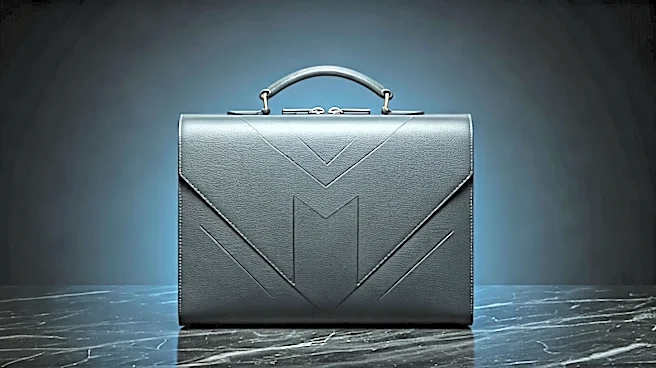
For years, luxury was synonymous with visibility. A Gucci belt, a Louis Vuitton monogram, or a Balenciaga graphic tee acted as undeniable proof of purchase. This was Logomania, a direct and often loud way to signal financial status. But the styles dominating
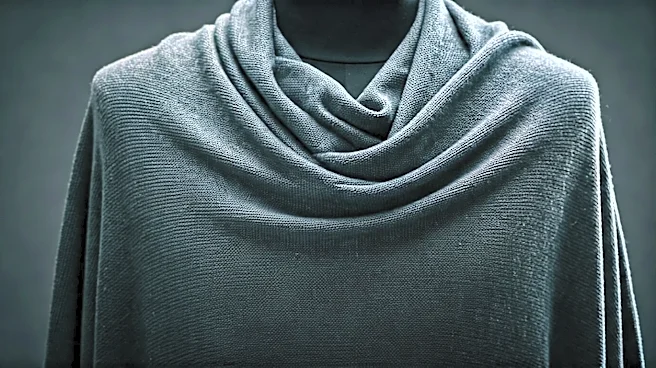
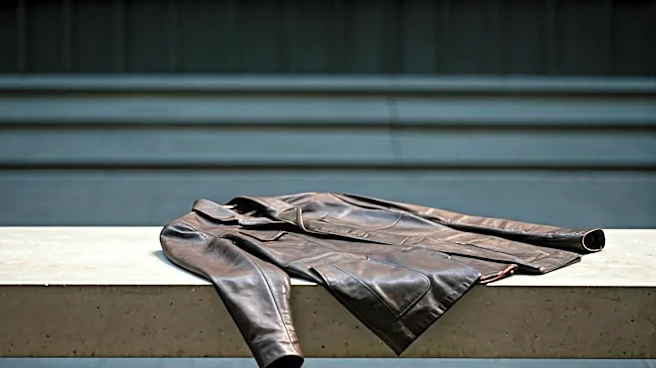
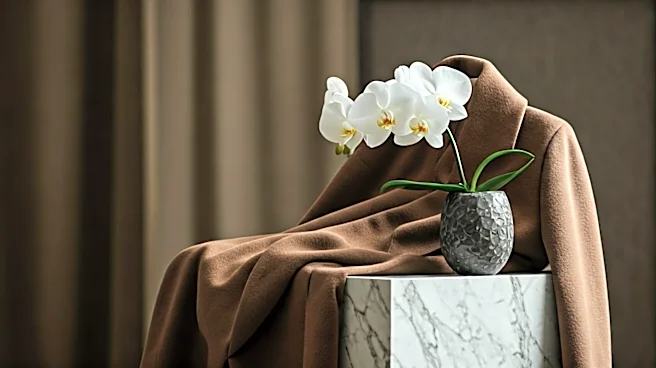
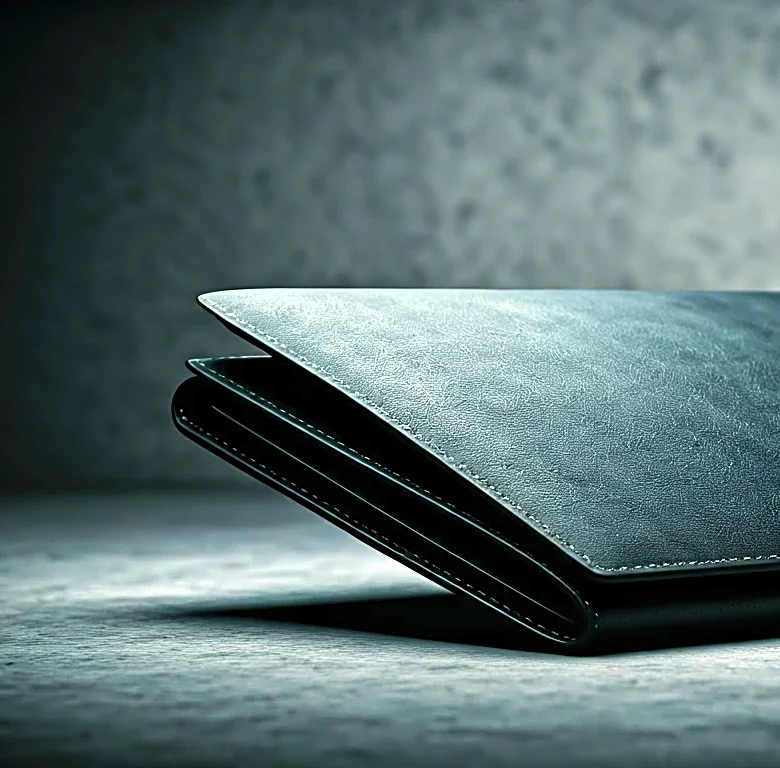
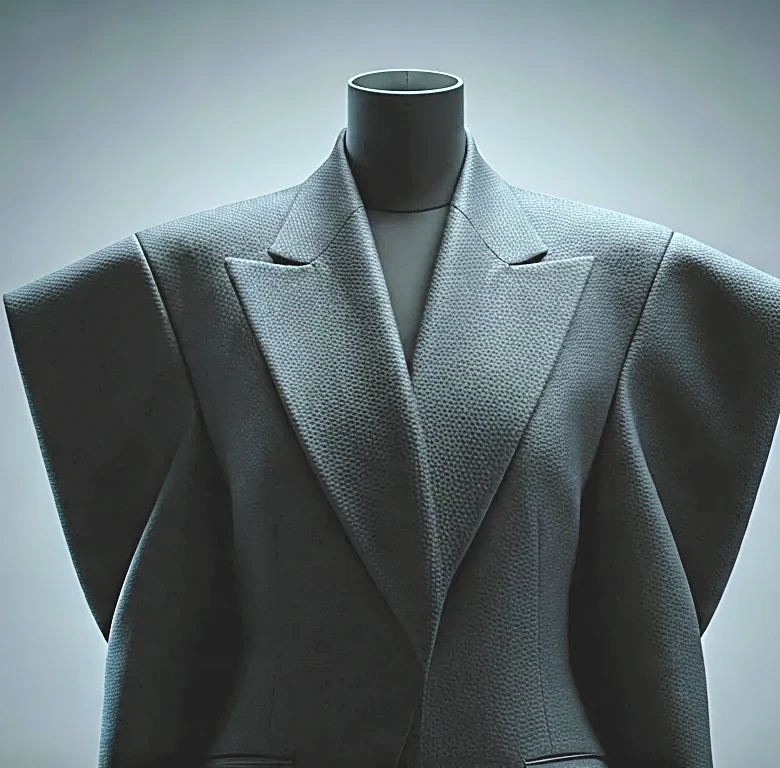
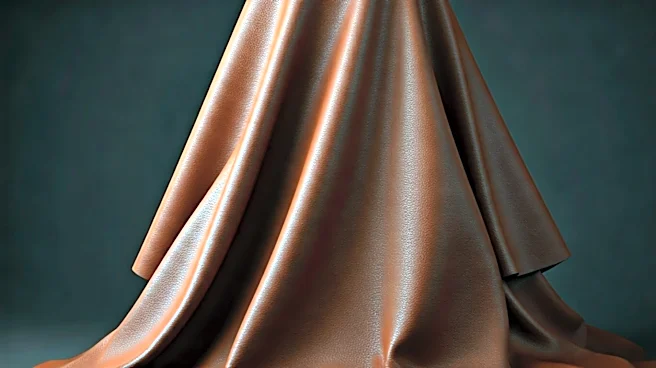
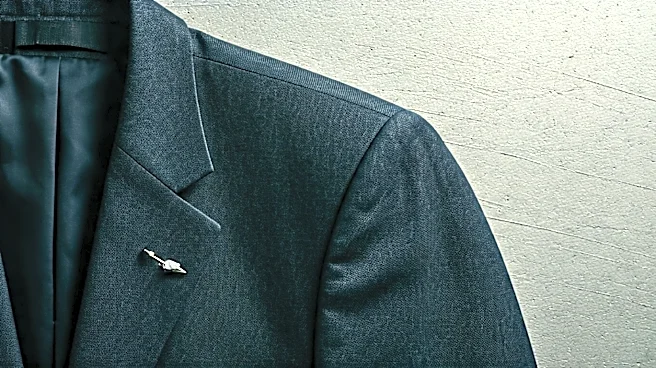
the recent Milanese runways—and the broader culture—are heading in the opposite direction. The new ideal is 'quiet luxury,' or 'stealth wealth,' an aesthetic built on impeccable tailoring, sumptuous materials, and a perfect fit rather than overt branding. Think of a flawless cashmere sweater in a muted earth tone, a perfectly cut linen suit, or a pair of unadorned leather loafers. The value isn't shouted from a logo; it's understood by those who can recognize the supreme quality of the fabric and the precision of the silhouette. It’s a code, and the first rule is: if you have to show the price tag, you can’t afford it.
Lessons from the Italian Masters
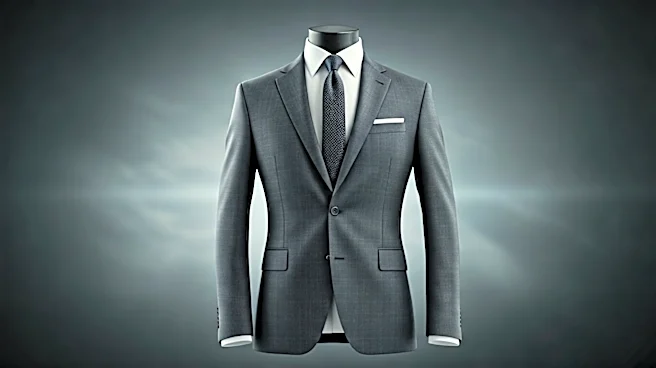
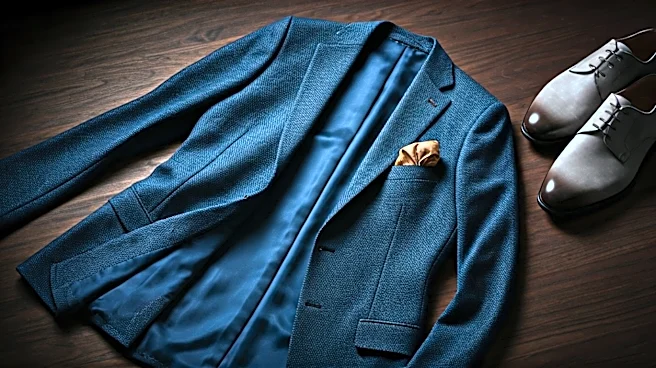
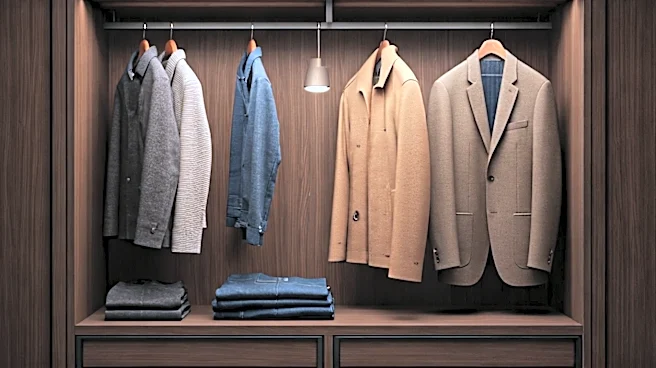
Milan has long been the spiritual home of this philosophy, and the latest men's shows solidified its reign. Brands like Zegna and Brunello Cucinelli have built empires on this very concept. Their recent collections were masterclasses in understated elegance. Zegna, for example, showcased feather-light knitwear and deconstructed blazers in a palette of dusty beige, soft grey, and deep navy. The focus was on texture and movement—how a fabric drapes, how a jacket sits on the shoulders. Similarly, Brunello Cucinelli, often called the 'king of cashmere,' presented collections that felt both relaxed and impossibly refined. These aren’t clothes designed for a viral TikTok moment. They’re designed for a life lived well, communicating a sense of ease, confidence, and permanence. Even historically bolder houses are toning things down, proving this isn’t a niche trend but a market-wide correction.
Dressing for an Uncertain Economy
So, why now? This shift isn't happening in a vacuum. In an era of economic anxiety, rampant inflation, and widening wealth gaps, conspicuous consumption can feel out of touch, if not outright vulgar. Flaunting extreme wealth when many are struggling is a social risk. Quiet luxury offers a solution: it allows the wealthy to enjoy the highest echelons of quality and craftsmanship without attracting unwanted attention or criticism. It’s a way to retreat into a more private, defensible form of opulence. Furthermore, the trend reflects a growing consumer desire for sustainability and longevity. After years of fast-fashion cycles and micro-trends, people are increasingly drawn to timeless pieces that will last for decades, not just a season. Buying a single, perfect, unbranded coat feels more responsible and sophisticated than chasing a dozen fleeting, logo-covered fads.
The New Language of Status
Ultimately, dressing 'rich without dressing loud' is about redefining status itself. It moves the goalposts from 'what you own' to 'what you know.' Recognizing a Loro Piana sweater without a label requires a level of connoisseurship that a gaudy brand name does not. This aesthetic creates an in-group and an out-group. The in-group consists of those who can appreciate the nuances of a hand-stitched seam or the specific softness of vicuña wool. The out-group simply sees a plain, expensive-looking sweater. In this sense, quiet luxury is an even more potent form of gatekeeping than logomania ever was. It’s a silent broadcast of cultural capital, signaling that one belongs to a world where taste, not money, is the ultimate currency. It suggests not just wealth, but an inherited, effortless familiarity with it.