
The Allure of the Spectacle
Technical bravura is about flexing a filmmaker’s craft in the most visible way possible. Think of the seamless, single-shot illusion of Sam Mendes' “1917,” a film that immerses you in the trenches through
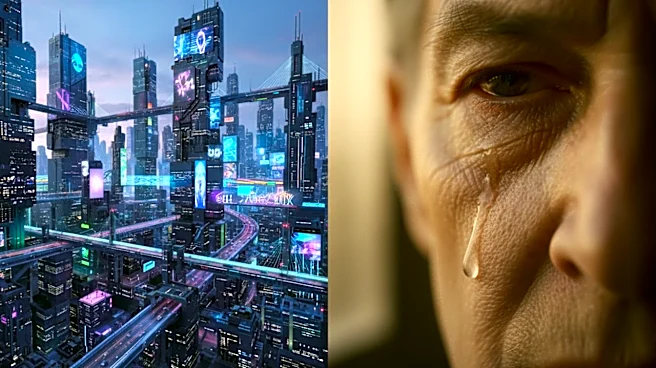
sheer logistical wizardry. Or consider the city-bending sequence in Christopher Nolan’s “Inception,” where Paris folds in on itself—a visual feast that serves to explain the world’s rules while dazzling the audience. This is filmmaking as high-wire act. Directors like Orson Welles, who pioneered deep focus and dramatic low-angles in “Citizen Kane,” or George Miller with the kinetic, practical-effects-driven chaos of “Mad Max: Fury Road,” use the camera not just to capture action, but to create an overwhelming sensory experience. The goal is to create moments of awe, where the technique itself becomes part of the film’s power and legacy.
The Power of Human Connection
On the other side of the spectrum is emotional clarity. This approach prioritizes the raw, unfiltered truth of a character's experience above all else. Here, the director’s hand is often invisible. The camera serves the performance, not the other way around. Think of the lingering close-ups on faces filled with unspoken grief in a film like “Manchester by the Sea,” or the quiet, patient scenes in “Past Lives” that allow complex feelings to unfold in real time. The goal isn’t to stun the audience with technique, but to build a profound connection to the characters. Filmmakers who excel here are masters of pacing, performance, and subtlety. They understand that a simple cut, a held gaze, or a moment of silence can carry more weight than the most elaborate special effect. The focus is on creating a story so authentic and relatable that the audience forgets they are watching a film and simply feels the characters' joy or pain.
The Director's Tightrope Walk
The decision between these two poles is rarely a simple binary choice. Instead, a director's job is to find the right balance for the specific story they are telling. The central question is always: What does this scene need? A visceral battle sequence in a war film like “Saving Private Ryan” benefits from chaotic, handheld camerawork that prioritizes technical immersion to convey the horror of combat. Conversely, an intimate family drama would be overpowered by such a style; it requires a gentler touch that allows the actors’ performances to breathe. Christopher Nolan, a filmmaker famous for his technical ambition, still emphasizes that his primary goal is to plunge the audience into a character's subjective experience. His intricate timelines and large-format spectacles are tools used to explore a character’s internal state, whether it's the guilt of J. Robert Oppenheimer or the desperation of the soldiers in “Dunkirk.”
When Both Sides Win
The most revered films are often those where technical bravura doesn’t just coexist with emotional clarity—it actively creates it. In Alfonso Cuarón’s “Gravity,” the groundbreaking visual effects used to simulate weightlessness were not just for show. They were essential to conveying Dr. Ryan Stone’s profound isolation and her eventual, desperate fight for survival. The technical achievement of making the audience feel like they were floating in the void was precisely what generated the film’s heart-pounding emotional stakes. Cuarón himself noted that the years of developing new technology would have resulted in a “completely shallow” film without Sandra Bullock's grounding performance at its core. Similarly, the blend of practical effects, miniatures, and early CGI in “The Lord of the Rings” trilogy didn’t just look amazing; it made Middle-earth feel real, allowing audiences to become emotionally invested in the fellowship’s quest. The best directors understand that technique and emotion are not opposing forces, but two sides of the same storytelling coin.