





The Agony of the Four-Year Wait
In most American sports, there’s always next year. A painful playoff exit in the NFL or a World Series collapse in baseball is heartbreaking, but the cycle resets annually. The World Cup operates on a different clock. Its quadrennial schedule creates
a sense of profound scarcity. For players, it represents a limited number of chances—maybe only two or three in a career—to compete on this stage. For fans, the wait builds an emotional investment that no other tournament can replicate. This isn't just another season; it's a chapter of your life. Entire generations of a country's talent can rise and fall in the gap between tournaments, making each appearance precious and every opportunity to advance feel historic. That long wait is the foundation of the tournament's emotional weight.
The Brutality of the Knockout Gauntlet
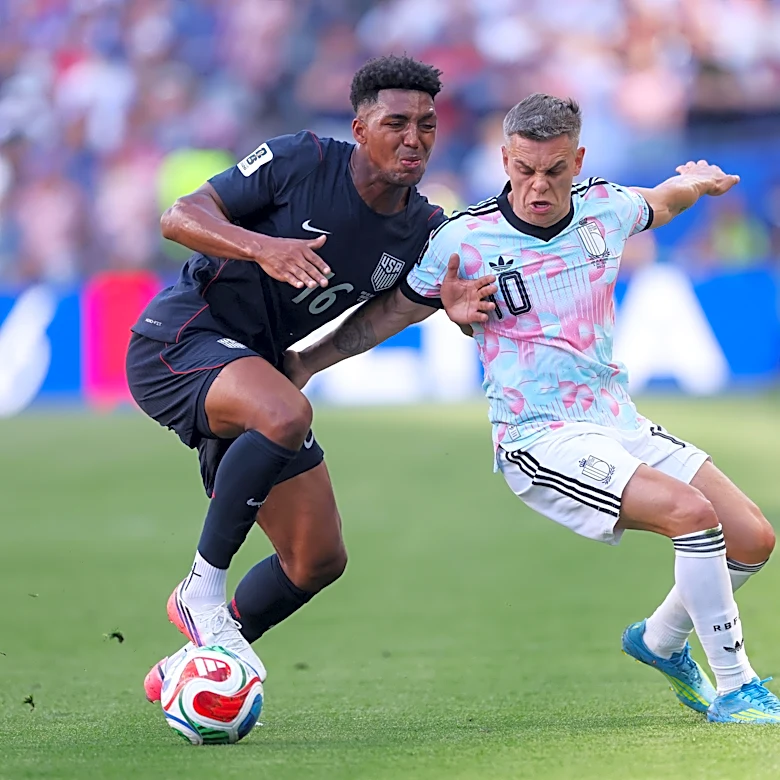
The 2026 tournament introduced a new, even more daunting challenge: an expanded 48-team field and a Round of 32. This means after navigating a tense group stage—where goal difference can be the difference between life and death—teams are thrown into a five-round, single-elimination gauntlet. Unlike a best-of-seven series where one off night can be overcome, the World Cup knockout stage is absolute. One bad call, one unlucky deflection, or one moment of individual brilliance or failure can end a nation's dream instantly. This unforgiving format creates a level of constant, high-stakes tension that is simply unmatched. As we're seeing in 2026, teams that have already survived one knockout game play with a mix of desperation and calculated caution, knowing there are no second chances.
The Incredible Rise of Global Parity
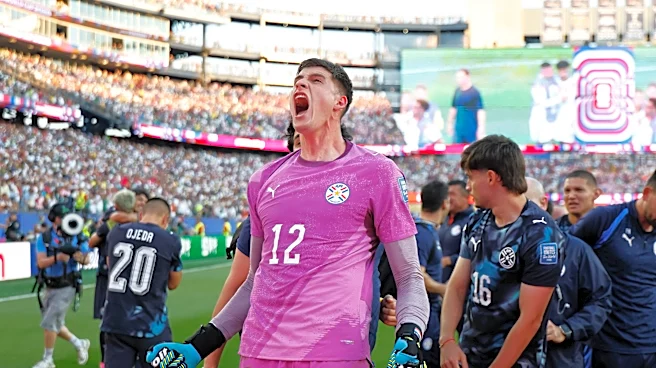
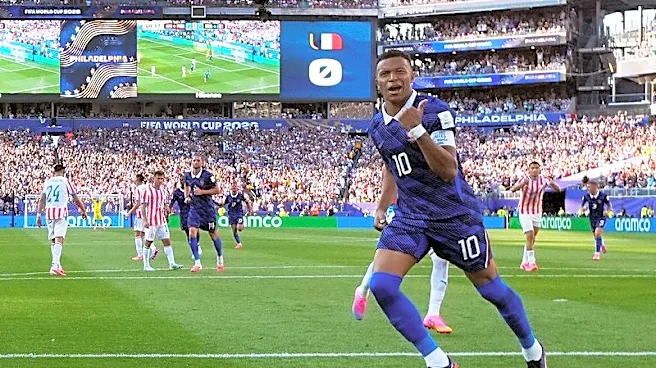
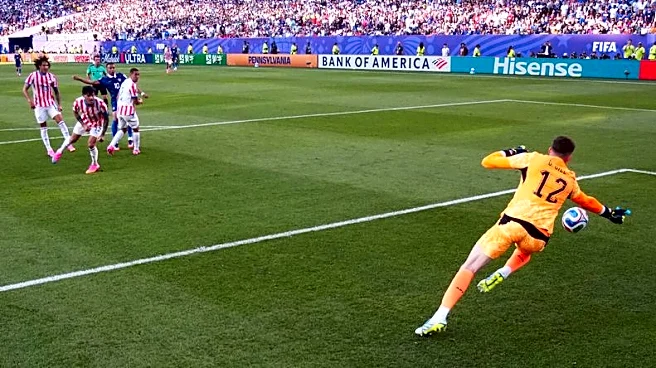
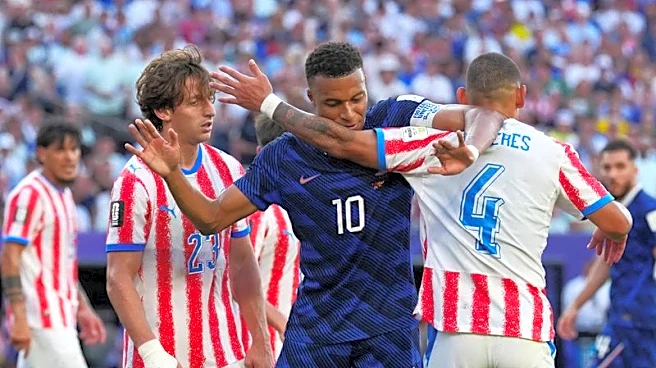
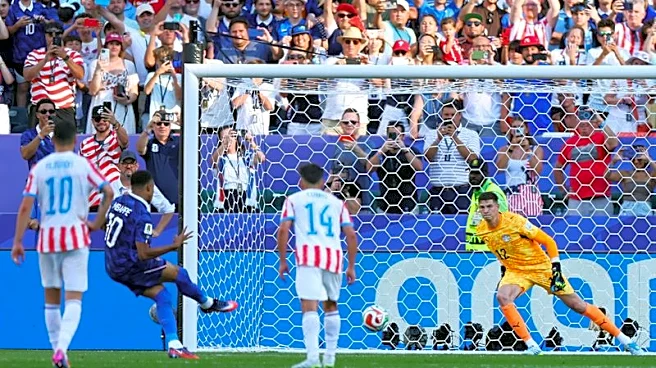
Not long ago, the World Cup group stage was often seen as a formality for the traditional powerhouses. That era is definitively over. The 2026 tournament has already provided stunning examples of shrinking gap between the elites and the so-called underdogs. Cape Verde, a nation making its World Cup debut, held mighty Spain to a 0-0 draw. Morocco, after their deep run in 2022, have continued to prove they belong, holding their own against top competition. Paraguay sent four-time champion Germany packing in a shocking Round of 32 upset. Better coaching, tactical discipline, and global player development mean there are no guaranteed wins. Every match feels like a potential landmine, which adds to the feeling that nothing can be taken for granted. This unpredictability means every single game, from the first kick of the group stage, is fraught with real danger.
The Worldwide Media Magnifier
The World Cup has always been a global event, but modern media and social platforms have turned it into a 24/7 narrative machine. Billions of people watch, creating a shared experience that few other events can match. Every goal, every controversial decision, and every player reaction is instantly clipped, debated, and amplified across the globe. This constant conversation turns up the volume on the drama. A player can become a national hero or a scapegoat in a single moment, and that moment is witnessed by the entire world in real-time. This intense scrutiny adds another layer of pressure and ensures that even minor moments feel significant, contributing to the sense that every second of every match is scarce and vital.