






Why Black Becomes Gray
Before diving into the solution, it helps to understand the problem. Why do our beloved black garments betray us? The primary culprit is dye loss. During a wash cycle, the combination of water, detergent, and friction coaxes dye particles to break free
from the fabric fibers. Hot water is especially aggressive, opening up fibers and accelerating this process. Over time, this gradual bleeding of color results in a noticeably faded appearance. It’s not just about the dye, either. Mineral deposits from hard water and residue from detergents can build up on the fabric’s surface, creating a dull film that scatters light and makes the color appear less saturated and deep. Your rich black isn’t gone, it’s just hiding under a layer of laundry-day grime.
The Night-Before Secret: A Vinegar Soak
The hero of this story is likely already in your kitchen pantry: plain old distilled white vinegar. This simple, inexpensive powerhouse works its magic in a couple of ways. For new clothes made from natural fibers like wool or rayon, the mild acetic acid in vinegar can help “set” the dye, making it more resistant to bleeding in future washes. Think of it as locking the color into the fabric before it has a chance to escape. For clothes you already own, vinegar acts as a clarifying agent. It gently dissolves the alkaline detergent and mineral residues that cause that dulling film, restoring the fabric’s surface and allowing the true, deep black to show through. It’s less of a re-dyeing and more of a deep-cleaning that reveals the color that was there all along. Plus, it’s a natural fabric softener and odor neutralizer, making it a laundry multi-tasker.
Your Simple Three-Step Prep
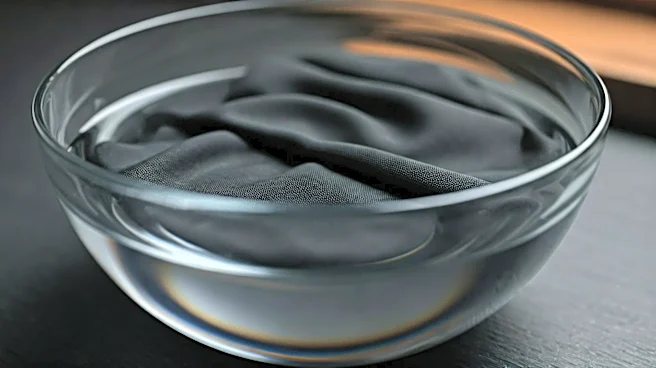
Ready to bring your black clothes back from the brink? This process is incredibly simple and best done the night before you plan to do your laundry. All you need is a bucket, a sink, or a bathtub, plus your vinegar. 1. **Prepare the Soak:** Fill a clean basin or tub with cold water—enough to fully submerge your garments. For every gallon of water, add one cup of distilled white vinegar and give it a quick stir. Avoid using other types of vinegar, like apple cider or balsamic, which can potentially stain your clothes. 2. **Submerge and Wait:** Turn your black garments inside out to protect the outer surface from friction, then place them in the vinegar-water solution. Make sure they are completely saturated. Let them soak for at least 30 minutes, but for best results, you can leave them overnight. This extended time gives the vinegar ample opportunity to work on both setting the dye and breaking down residue. 3. **Wash as Usual (with a Twist):** The next day, gently squeeze the excess water from your clothes—don't wring them out, as this can stretch the fibers. There’s no need to rinse them. Transfer them directly into the washing machine with other dark-colored items and wash as you normally would, but with a few key adjustments outlined below.
Beyond the Soak: Everyday Care Tips
The night-before prep is a game-changer, but it works best when paired with smart laundry habits. To maintain that rich, saturated black for as long as possible, integrate these practices into your routine. * **Wash in Cold Water:** Always use the cold cycle for your darks. Hot water opens up fabric fibers and encourages dye to bleed, while cold water keeps them closed and locked in. * **Turn Clothes Inside Out:** This is a non-negotiable. Washing clothes inside out minimizes the friction and abrasion on the outer surface, which is the part everyone sees. This reduces pilling and visible fading. * **Use the Right Detergent:** Opt for a detergent formulated specifically for dark colors. These are designed to be gentler and often contain ingredients that help prevent dye transfer. * **Skip the Dryer:** High heat is a major enemy of fabric color and elasticity. Whenever possible, air-dry your black clothes by hanging them or laying them flat away from direct sunlight, which can also cause fading.