

The Sound of Soulsville, U.S.A.
Before Americana was a recognized genre, there was the Memphis Sound. Unlike the polished, pop-friendly product coming out of Motown in Detroit, Memphis soul was raw, immediate, and drenched in the blues and gospel traditions of the Deep South. Centered
around two legendary studios, Stax Records and Hi Records, this was music that wasn’t afraid to be imperfect. It was built on the foundation of a heavy backbeat, unison horn lines, and vocals that valued feeling over pristine technique. Artists like Otis Redding didn’t just sing a song; they testified, with a power and vulnerability that felt utterly real. This commitment to raw expression would become a core tenet of the Americana artists who followed decades later.
The Stax Records Blueprint
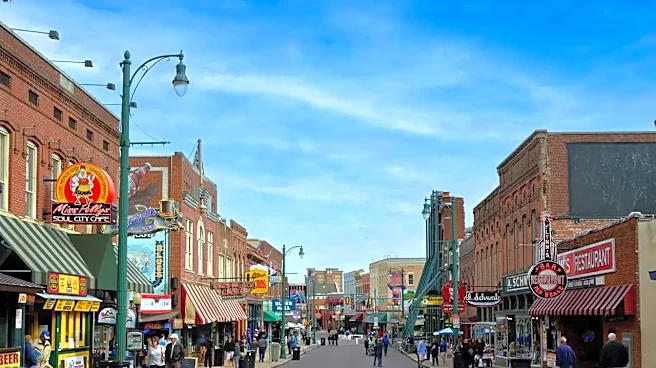
You can't talk about Memphis soul without talking about Stax Records, the converted movie theater on McLemore Avenue that became an incubator for a revolutionary sound. More importantly, Stax was a cultural anomaly in the segregated South of the 1960s. Its house band, Booker T. & the M.G.'s, was a racially integrated group of masterful musicians: Booker T. Jones and Al Jackson Jr., who were Black, and Steve Cropper and Donald "Duck" Dunn, who were white. Together, they were the architects of the Stax sound, laying down the iconic grooves for stars like Sam & Dave, Wilson Pickett, and Otis Redding. This effortless collaboration wasn't a political statement, but it created a legacy. The idea of a studio as a melting pot where the music came first is a direct ancestor to the collaborative, genre-blending spirit of the modern Americana scene.
Hi Records and the Smoother Groove
Just down the road, another version of Memphis soul was taking shape at Willie Mitchell's Royal Studios, the home of Hi Records. Here, Mitchell and Al Green perfected a slinkier, more seductive sound. While still deeply soulful, the Hi Records style, powered by the incredible Hi Rhythm Section, was smoother and more polished than the grit of Stax. Green's string of hits in the early '70s, like "Let's Stay Together" and "Tired of Being Alone," bridged the gap between raw Southern soul and the sleeker sounds of Philadelphia. These lush, romantic arrangements demonstrated the versatility of Memphis soul and expanded its sonic palette, providing another wellspring of inspiration for future artists looking to infuse their music with sophisticated emotion.
The DNA of Raw Emotion
So what exactly did Americana inherit from Memphis? It's more than just a sound; it's an ethos. It's the emphasis on the rhythm section, the way a sparse guitar line from someone like Steve Cropper can say more than a flurry of notes. It’s the use of a powerful horn section not just as decoration, but as a voice that punches and responds to the singer. Most of all, it's the storytelling—the lyrical honesty and the focus on conveying a genuine emotional experience, a quality central to the work of artists from Otis Redding to Al Green. This DNA is the thread connecting the soul legends of the '60s and '70s to the troubadours of today.
Echoes in Today's Americana
Listen closely to modern Americana, and the influence is undeniable. When you hear the soulful roar and horn-fueled arrangements of Nathaniel Rateliff & The Night Sweats, you're hearing the high-energy spirit of Stax. The gut-wrenching vocal delivery and blues-inflected songwriting of Chris Stapleton carry the same emotional weight as the soul titans of the past. Artists like Jason Isbell channel the same blend of personal storytelling and Southern musical tradition. Even the retro-soul revival, championed by bands like The Black Pumas and the late Sharon Jones with the Dap-Kings, is a direct nod to the blueprint created in Memphis. These artists aren't simply covering old songs; they are tapping into the same source of raw, authentic American music.