





The Golden Boy on the World Stage
By 1998, David Beckham was already a superstar. At 23, the Manchester United midfielder was a key player for his club and country, but his fame transcended the sport. His relationship with Victoria Adams, “Posh Spice” of the Spice Girls, made them a global
power couple, dominating headlines. His celebrity, however, was a double-edged sword. England’s manager, Glenn Hoddle, publicly questioned if Beckham's focus was truly on soccer, even benching him for the first two games of the 1998 World Cup in France. Beckham answered his critics in the final group stage match against Colombia, scoring a spectacular free kick that secured England's place in the knockout round and seemed to cement his hero status. The stage was set for a Round of 16 clash against historic rivals Argentina, a match thick with tension from past encounters.
Ten Seconds That Changed Everything
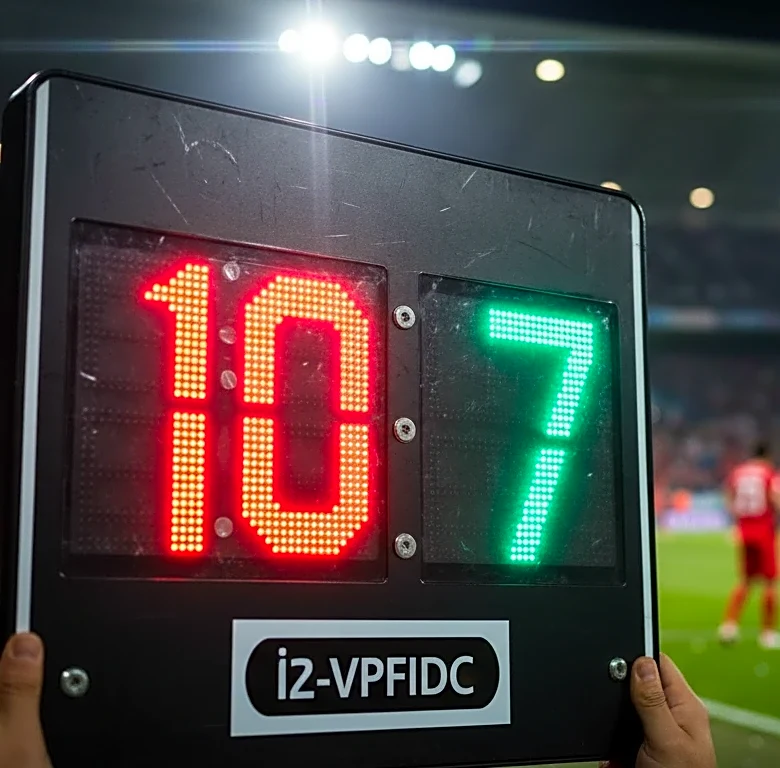
On June 30, 1998, in Saint-Étienne, the game was a thriller from the start. After an early exchange of penalty kicks, a teenage Michael Owen scored a wonder goal, putting England ahead 2-1 before Argentina equalized just before halftime. Shortly after the second half began, the pivotal moment arrived. Argentina's Diego Simeone shoved Beckham to the ground from behind. Lying on the pitch, Beckham momentarily lost his composure and petulantly flicked his leg out, catching Simeone on the calf. It was not a violent act, but it was a reaction. Simeone collapsed theatrically, and the referee, Kim Milton Nielsen, was convinced. He showed a yellow card to Simeone for the initial foul, then a straight red card to Beckham for retaliation. Down to 10 men, England battled through extra time but ultimately lost in a penalty shootout.
The Brutality of the Backlash
The fallout was immediate and savage. Beckham became the nation's scapegoat. Tabloid headlines were merciless, with one famously printing a dartboard with his face on it. The abuse wasn't confined to the papers. An effigy of him was hung from a noose outside a London pub. He received death threats and a letter containing a bullet, forcing his parents to be placed under 24-hour watch. For the next two years, he was relentlessly booed at every away stadium in England. Beckham himself has called the period the most difficult of his career, admitting the abuse was "brutal" and that he struggled to eat and sleep. The public narrative was simple and cruel: one stupid boy had let his country down.
The Long, Arduous Road to Redemption
Beckham's redemption arc was not swift, but it was definitive. He responded to the hate with resilience on the field, helping Manchester United win a historic treble—the Premier League, FA Cup, and Champions League—the very next season. But his atonement in an England shirt would take longer. The first major step came on October 6, 2001. In the final minute of a crucial World Cup qualifier against Greece, with England losing 2-1 and needing a draw to automatically qualify for the 2002 tournament, Beckham curled a stunning 30-yard free-kick into the top corner. The goal sent England to the World Cup and transformed him from villain to hero. The story came full circle at that World Cup in Japan. In a group stage match against none other than Argentina, England were awarded a penalty. Beckham stepped up and smashed the ball into the net, securing a 1-0 victory. His emotional, screaming celebration was a release of four years of pain and pressure, finally laying the ghost of 1998 to rest.