




The Endless Battle with Morning Shine
If you have oily skin, you're likely familiar with the overnight sebum surge. While you sleep, your sebaceous glands are still at work, and this can lead to waking with a greasy feel and enlarged pores. The common reaction is to reach for the harshest,
most stripping cleanser you can find. While this provides a temporary feeling of clean, it can often backfire. Over-stripping the skin's natural moisture barrier can trigger your glands to produce even more oil to compensate, trapping you in a vicious cycle. The standard advice—cleanse, use an oil-free moisturizer, and apply sunscreen—is a solid foundation, but it often isn't enough to keep midday shine at bay. This is where a less conventional, yet highly effective, step comes into play.
The Hidden Step: A Quick Morning Mask
The step many dermatologists quietly endorse for their oily-skinned patients is surprisingly simple: a short-contact clay mask in the morning. Instead of a long, once-a-week treatment, this involves applying a thin layer of a clay mask for just three to five minutes right after you wake up, before your normal cleansing routine. It’s not about letting it dry completely and crack; it’s about a quick intervention to absorb the excess oil that has accumulated overnight. Think of it less as a deep-treatment indulgence and more as a strategic, targeted morning prep step that sets the stage for a balanced, matte complexion that lasts throughout the day.
Why This Method Is So Effective
The science behind the morning mask is rooted in the powerful absorptive properties of clay. Clays like kaolin and bentonite act like a sponge, drawing excess oil, sebum, and impurities from the surface of the skin and out of the pores. Using a mask for a short period in the morning physically lifts away this overnight oil slick before you even wash your face. This prevents that oil from sitting on your skin all day, clogging pores and creating that persistent shine. It gives your morning routine a head start, allowing your cleanser to work more effectively on your skin rather than just breaking down surface-level grease. It's a proactive approach, managing oil at the source rather than just reacting to it hours later.
How to Incorporate It Into Your Routine
Integrating this step is straightforward. Immediately upon waking, before your skin is wet, apply a thin layer of a clay mask. You don't need a thick, opaque coating; just enough to cover the oily areas, typically the T-zone (forehead, nose, and chin). Let it sit for about five minutes while you brush your teeth or start your coffee. The key is to rinse it off before it fully dries and feels tight. Then, proceed with your regular gentle, foaming cleanser as usual. This process can be done daily or on days when you feel particularly oily. It provides the oil-control benefits without the irritation or dryness that can come from leaving a clay mask on for too long.
Choosing the Right Products (And What to Avoid)
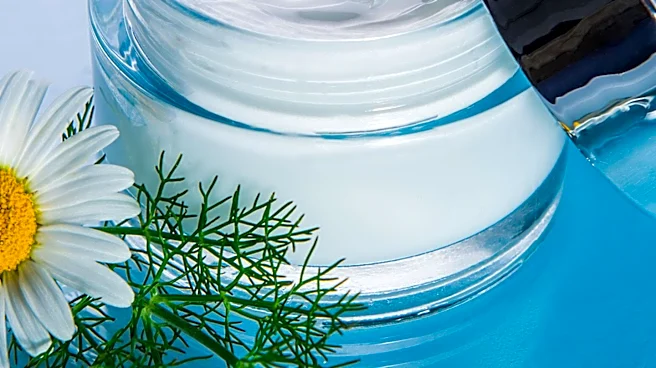
Not all clay masks are created equal. Look for simple formulas with kaolin or bentonite clay high on the ingredient list. Avoid masks with excessive fragrances, harsh alcohols, or other potential irritants that could negate the benefits. Some masks even include calming ingredients like aloe or chamomile, which can be beneficial. The goal is absorption, not aggression. Also, resist the urge to follow this step with a harsh, stripping cleanser. The mask has already done the heavy lifting of de-greasing, so your follow-up cleanser should be mild and gentle to maintain your skin's equilibrium. Overdoing it by combining an effective mask with an aggressive wash can lead right back to the problem you're trying to solve: an overproduction of oil.