


1. Masterful Tailoring is Non-Negotiable
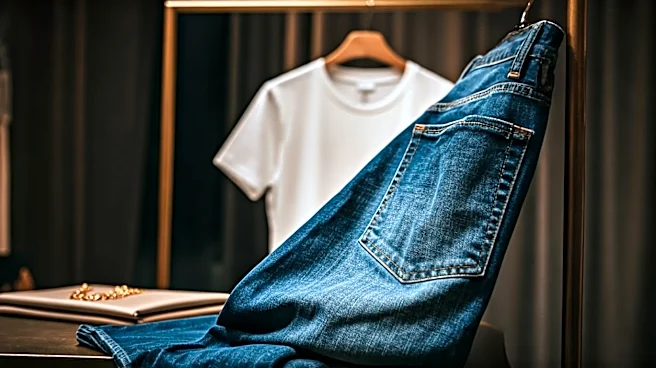
The single biggest difference between a regular outfit and a celebrity’s 'casual' look is the fit. That simple white t-shirt? It’s likely been tailored to hang perfectly, with sleeves hitting at just the right spot on the bicep. Those straight-leg jeans?
A stylist has almost certainly had them hemmed to the millimeter to create the ideal 'break' over the shoe. When every piece fits the body flawlessly, even the most basic items are elevated. Nothing is left to chance. A $50 blazer that's been tailored to your shoulders and waist will always look more expensive than a $500 one straight off the rack. It's the foundational secret weapon.
2. It's All About Texture and Fabric
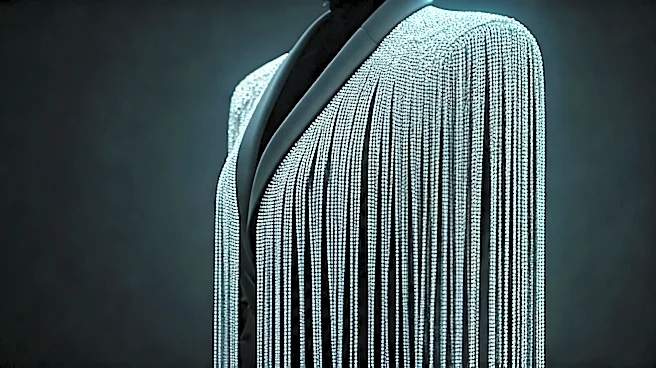
Look closely at those 'simple' outfits, and you'll notice a quiet richness in the materials. A black sweater isn't just a black sweater; it's a fine-gauge cashmere or a merino wool blend that drapes beautifully and catches the light in a subtle way. A cotton shirt is a crisp, structured poplin that holds its shape. Stylists intentionally mix these textures to create depth. A silk camisole under a wool blazer, or a leather jacket over a soft cotton tee—this interplay of materials signals luxury without needing a single logo. The visual and tactile contrast makes the entire ensemble feel more considered and therefore more expensive.
3. The Power of the 'Third Piece'
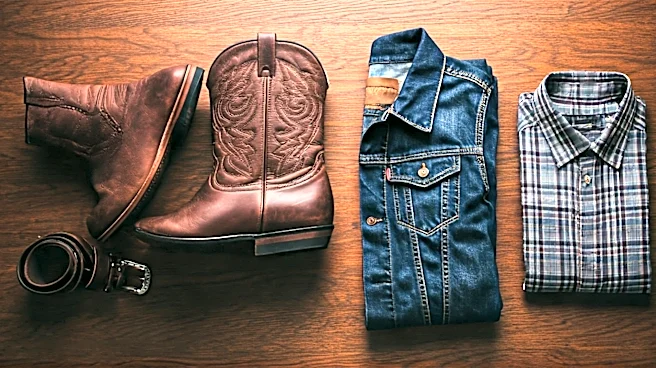
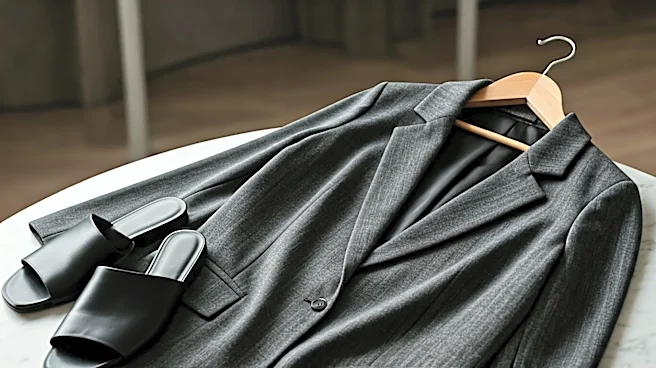
A t-shirt and jeans is just a t-shirt and jeans. But add a third element, and it becomes an 'outfit.' This is a core stylist trick. At Tribeca, that third piece is often a perfectly cut blazer, a lightweight trench coat, or a chic leather jacket. This item frames the body, adds structure, and instantly pulls the other two simple pieces together. It acts as the sophisticated anchor for the entire look. Even a beautifully draped cardigan or a structured vest can serve this purpose. It’s the piece that says, 'I put thought into this,' even when the vibe is meant to be effortless.
4. Monochromatic Dressing Is a Shortcut to Chic
Dressing in head-to-toe variations of a single color is one of the oldest styling tricks in the book for a reason: it works. It’s incredibly effective at making an outfit look polished, elongated, and intentional. On the Tribeca circuit, you'll see it in all-black, all-white, or neutral palettes like beige, cream, and gray. By removing the visual 'clutter' of multiple competing colors, the eye is drawn to the silhouette and the quality of the individual pieces. It’s a simple way to create a powerful, cohesive statement that reads as instantly sophisticated and high-end, no matter the price point of the items.
5. Investment Accessories Do the Heavy Lifting
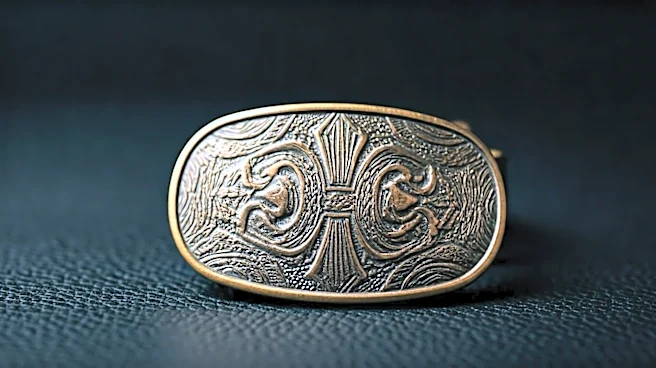
Here's where the real budget often goes. A celebrity might be wearing a simple, affordable tank top, but it's paired with a timeless, logo-free leather handbag from a high-end brand like The Row or Bottega Veneta. The shoes are never an afterthought; they're classic, well-made pumps, loafers, or boots that ground the entire look. Delicate, layered gold jewelry or a single statement watch adds a point of interest and a flash of quiet expense. The strategy is to let one or two high-quality accessories elevate the entire outfit, proving you don't need a head-to-toe designer look to appear polished.
6. 'Undone' Glam Is the Final Polish
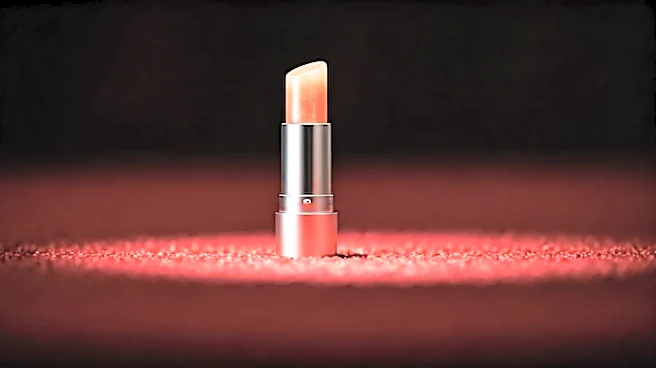
The final accessory is the beauty look. At Tribeca, it’s never over-the-top. The hair is 'artfully undone'—a style that looks like it took five minutes but was actually crafted by an expert for an hour. The makeup is luminous and minimal, focusing on flawless-looking skin rather than a bold lip or a smoky eye. This 'no-makeup makeup' look is incredibly expensive to achieve, requiring perfect skin prep and subtle application. When the hair and makeup are this polished, it sends a clear signal of luxury that elevates even the simplest clothing.