



From Tech Niche to Cultural Mainstay
Remember when listening to a podcast required a clunky iPod and a specific cable? For years, podcasting was the domain of hobbyists and early adopters—downloadable radio shows about hyper-specific topics, from coding to esoteric history. The medium emerged
in the early 2000s, but it wasn't until Apple integrated podcasts into iTunes in 2005 that it began to inch toward the mainstream. Still, it was a pull medium, not a push one; you had to actively seek it out. The ecosystem was decentralized and proudly independent, a far cry from the slick, star-studded landscape we see today. It was less about mass entertainment and more about finding your tribe in the quiet corners of the internet.
The Mainstream Tipping Point
So, what changed? First, the smartphone put a podcast player in everyone's pocket, making streaming an episode as easy as opening an app. Second, blockbuster shows like Serial in 2014 proved that episodic audio could be as gripping as a prestige TV drama, creating "appointment listening" and watercooler buzz. This opened the floodgates for a new wave of high-quality content. The real inflection point, however, came when major platforms like Spotify and Amazon began investing billions to acquire content and technology, sparking an industry arms race. This professionalization, coupled with the pandemic-driven search for at-home entertainment, cemented podcasts as a daily ritual for millions.
What This Year's Winners Reveal
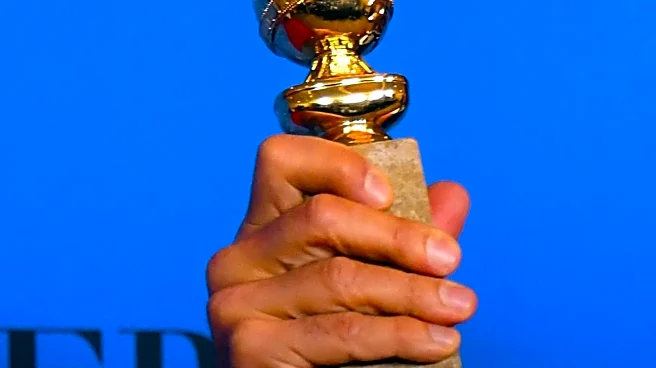
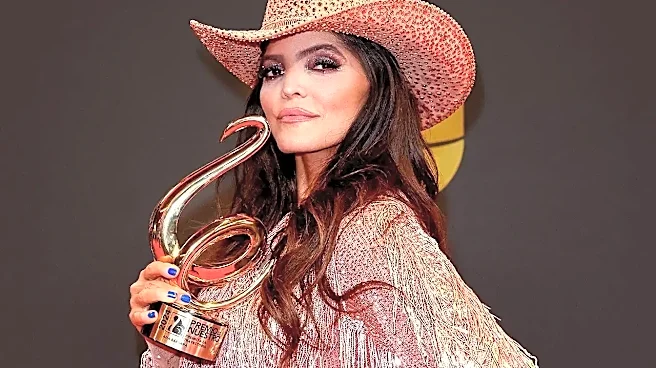
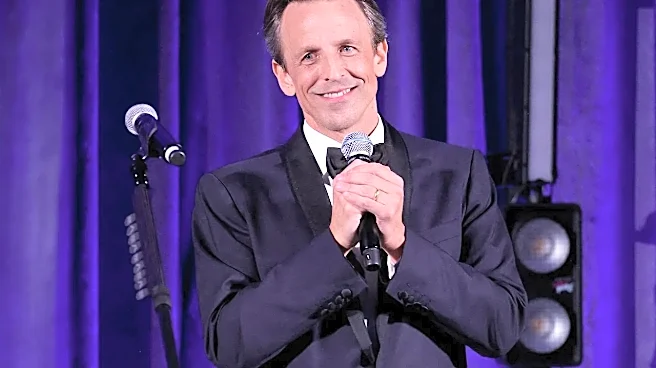
This brings us to the recent iHeartPodcast Awards, held at SXSW, which served as a coronation for this new era. The top prize, Podcast of the Year, went to "Giggly Squad," a chat show hosted by TV personalities Hannah Berner and Paige DeSorbo. This win is a perfect symbol of the celebrity-driven, personality-forward content now dominating the charts. Other major winners and nominees included shows hosted by established names like Amy Poehler and Mel Robbins, alongside slickly produced pop culture and true-crime series. The indie darlings that once defined the space are still present, but the main stage is now reserved for high-production shows backed by major networks and advertisers.
The 'Hollywood-ization' of Audio
The awards reflect a deeper industry shift: the "Hollywood-ization" of podcasting. What was once a cottage industry is now a battleground for major media companies signing stars to exclusive deals. This influx of celebrity talent brings built-in fanbases and massive audiences, which in turn attracts significant advertising revenue. The presence of stars like Will Ferrell as presenters and winners like Jay Shetty, honored for his social impact, underscores how integrated podcasting has become with the broader celebrity ecosystem. This professionalization brings bigger budgets and higher quality, but it also changes the landscape, making it harder for new, independent voices to cut through the noise of algorithmically-pushed, star-powered shows.