




An Underground of Self-Invention
In the late 1970s and early 1980s, London wasn't the glitzy metropolis we know today. Against a backdrop of economic strife, a generation of young creatives found solace not in the mainstream, but in the dark, pulsating cellars of niche nightclubs. Venues
like the Blitz, run by Steve Strange and Rusty Egan, became legendary havens for the "Blitz Kids." These weren't just places to dance; they were laboratories for identity. Patrons spent hours crafting elaborate, gender-bending looks from thrift store finds and pure imagination, all for a single night out. Fashion wasn't something you bought; it was something you became. This DIY spirit, born from a desire to escape the grey reality outside, laid the foundation for a revolution. It was a scene that celebrated artifice and fearless self-expression, creating a petri dish of talent that would soon spill over into the wider world.
From New Romantics to Acid House
As the '80s progressed, the soundtrack of the underground shifted, and fashion morphed along with it. The theatricality of the New Romantics gave way to the euphoric, high-energy abandon of Acid House and the burgeoning rave scene. Club nights at venues like Taboo, hosted by the inimitable performance artist Leigh Bowery, pushed boundaries even further. Bowery, a living sculpture whose outfits distorted the human form into grotesque and beautiful new shapes, became a key source of inspiration. The clothes on the dance floor became looser, brighter, and geared toward ecstatic movement. This wasn't about looking perfect; it was about feeling a sense of communal freedom. Designers were not just observing this from afar; they were part of it. John Galliano was a regular on the New Romantic scene, while a young Alexander McQueen would later immerse himself in the rave culture of the early '90s.
The Renegades Hit the Runway
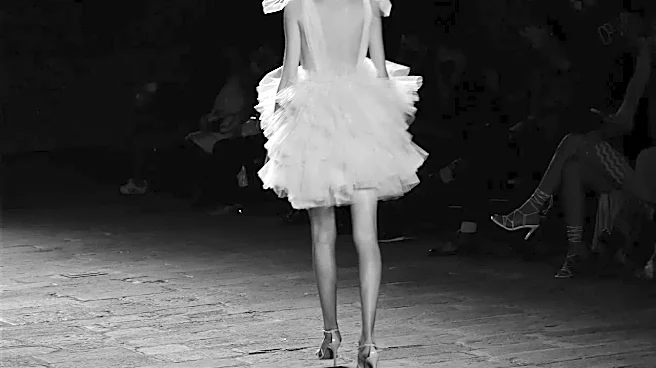
This potent club energy found its ultimate expression in a new generation of designers graduating from Central Saint Martins. John Galliano's 1984 graduate collection, "Les Incroyables," was directly inspired by the romance and rebellion of London's club kids, and it was famously bought in its entirety by the influential boutique Browns. But it was the arrival of designers like Alexander McQueen in the 1990s that marked the movement's explosive peak. McQueen's early shows weren't polished affairs; they were raw, aggressive, and theatrical performances that channeled the city's dark, creative underbelly. He and Galliano translated the grit and glamour they experienced in clubs into high fashion. Their work wasn't just referencing the scene; it was a direct continuation of it, bringing the shock, emotion, and confrontational artistry of the underground to the previously staid platform of London Fashion Week.
The Muses, the Magazines, and the Legacy
This symbiotic relationship was documented and amplified by a new wave of style magazines. Publications like The Face and i-D rejected glossy perfection, instead focusing on street style, youth tribes, and the authentic energy bubbling up from the clubs. They treated subculture with critical intelligence, turning club personalities into fashion icons and giving a platform to the radical photographers and stylists capturing the zeitgeist. Figures like Leigh Bowery, who collaborated with dancer Michael Clark and designer Rifat Ozbek, became more than club hosts; they were living art objects and muses who proved fashion could be performance. This era cemented London’s reputation as the fashion capital for raw talent and risk-taking. It proved that the most powerful ideas often come from the margins, a legacy that continues to define British fashion's rebellious heart.