






The Humility of the Fork
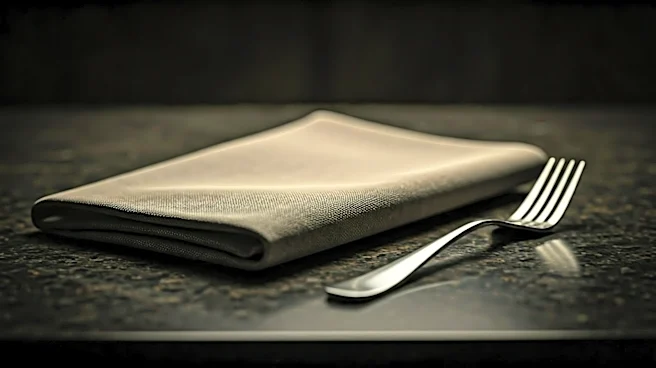
In what is widely considered one of the show’s best episodes, “Forks,” Richie is sent to stage at a three-Michelin-star restaurant. His first task? Polishing thousands of forks. He initially sees it as a punishment, a demeaning job far beneath him. But
the fork is more than just a utensil; it's a test. The episode uses this simple, repetitive task to represent a literal “fork in the road” for Richie’s character. He can either continue his downward spiral of resentment or embrace the humility required to find purpose. As his supervisor explains, the job is about respect—for the diner, for the restaurant, and for himself. By learning to meticulously polish each fork until it's perfect, Richie learns to take pride in service and attention to detail. The fork becomes a symbol of his transformation from a loud, aimless antagonist to a man who understands that every single detail contributes to a greater whole. He finds his purpose not in a grand gesture, but in the quiet dignity of doing a simple job perfectly.
The Order of the Napkin
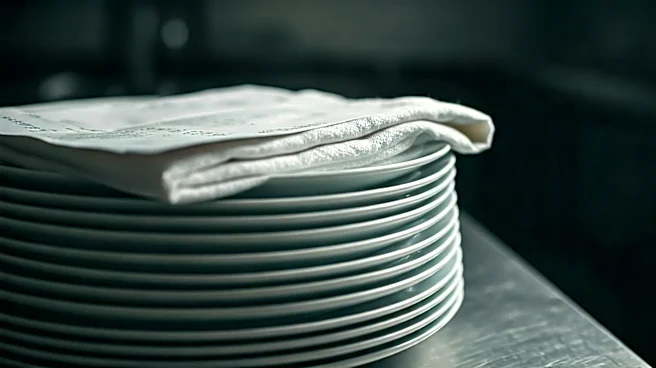
If the fork was Richie’s lesson, the napkin is his final exam. After his transformative week, he returns to The Bear a changed man, wearing a suit and armed with a new sense of purpose. While interviewing a potential front-of-house candidate with Sugar, he stages a test: one napkin on the table is intentionally misaligned. The candidate, despite her impressive resume, never notices or corrects it. For Richie, this is a dealbreaker. The napkin is no longer just a piece of cloth; it’s a symbol of awareness, of caring about the small things that elevate an experience from good to great. It represents the order and discipline he just learned to value. This contrasts with an earlier, gentler symbolism in a flashback where we see Mikey approach a crying Tina, not with words, but with a clumsy offering of napkins. In that moment, the napkin is a tool of quiet connection and empathy, the very thing that brought Tina into the family. The object, therefore, holds both the rigid standards of fine dining and the soft, messy humanity that defines the show’s core.
The Countertop as a Battlefield
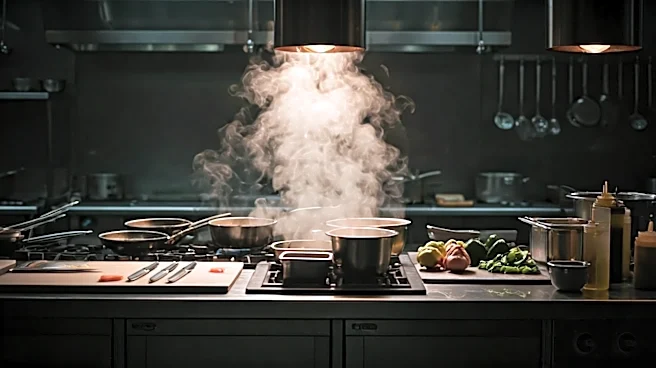
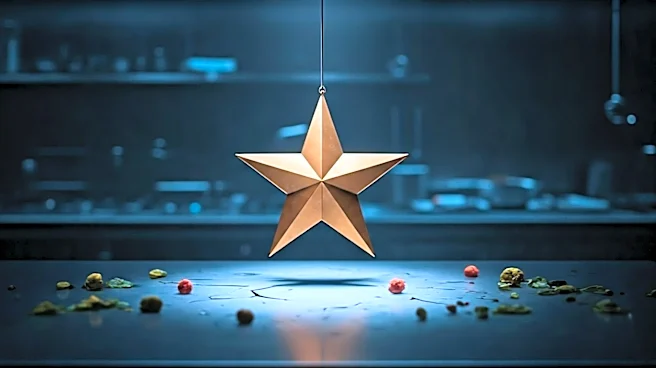
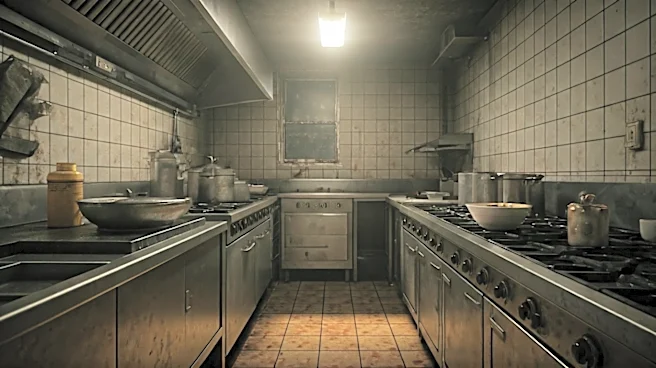
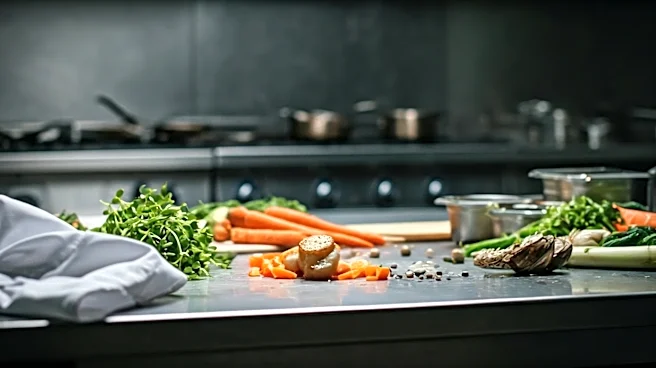
While characters get transformative arcs with forks and napkins, the countertop is a constant, unmoving stage for the show’s central conflict: the war between chaos and order. The stainless-steel surfaces in 'The Bear' are rarely just clean, empty spaces. They are battlegrounds. They are where Carmy’s obsessive, minimalist plating style clashes with the messy, high-volume reality of a working kitchen. It's where spilled sauces, scattered garnishes, and frantic hands create a visual representation of the team's collective anxiety. But it is also the altar upon which masterpieces are created. The production design intentionally creates a harsh, cool, and often chaotic kitchen environment. Yet, it's on these same countertops that the vibrant colors of the food pop, where a perfectly seared piece of meat is placed with tweezers, where the final, beautiful dish comes together. The countertop is the messy middle ground between the raw ingredients and the finished product, symbolizing the restaurant itself—a place of immense pressure, violence, and stress that somehow, against all odds, produces moments of transcendent beauty and order.